

Parrotia Persica Ball / Mound
€380.00
Frequently Bought Together


Description
Quick Facts
- Botanical Name: Parrotia persica
- Common Name: Persian Ironwood
- Plant Type: Deciduous tree/shrub trained into a ball (mound) topiary form
- Mature Size: Varies by training and clipping; can be kept to a neat rounded shape
- Position: Full sun or partial shade
- Soil: Moist but free-draining; tolerant once established
- Hardiness: Very hardy
- Best Feature: A beautifully rounded, architectural shape with outstanding autumn colour
Sculptural Shape + Autumn Fire
Parrotia is one of the great “designer trees” — loved for its calm, architectural presence through the growing season, and then for the way it completely transforms in autumn.
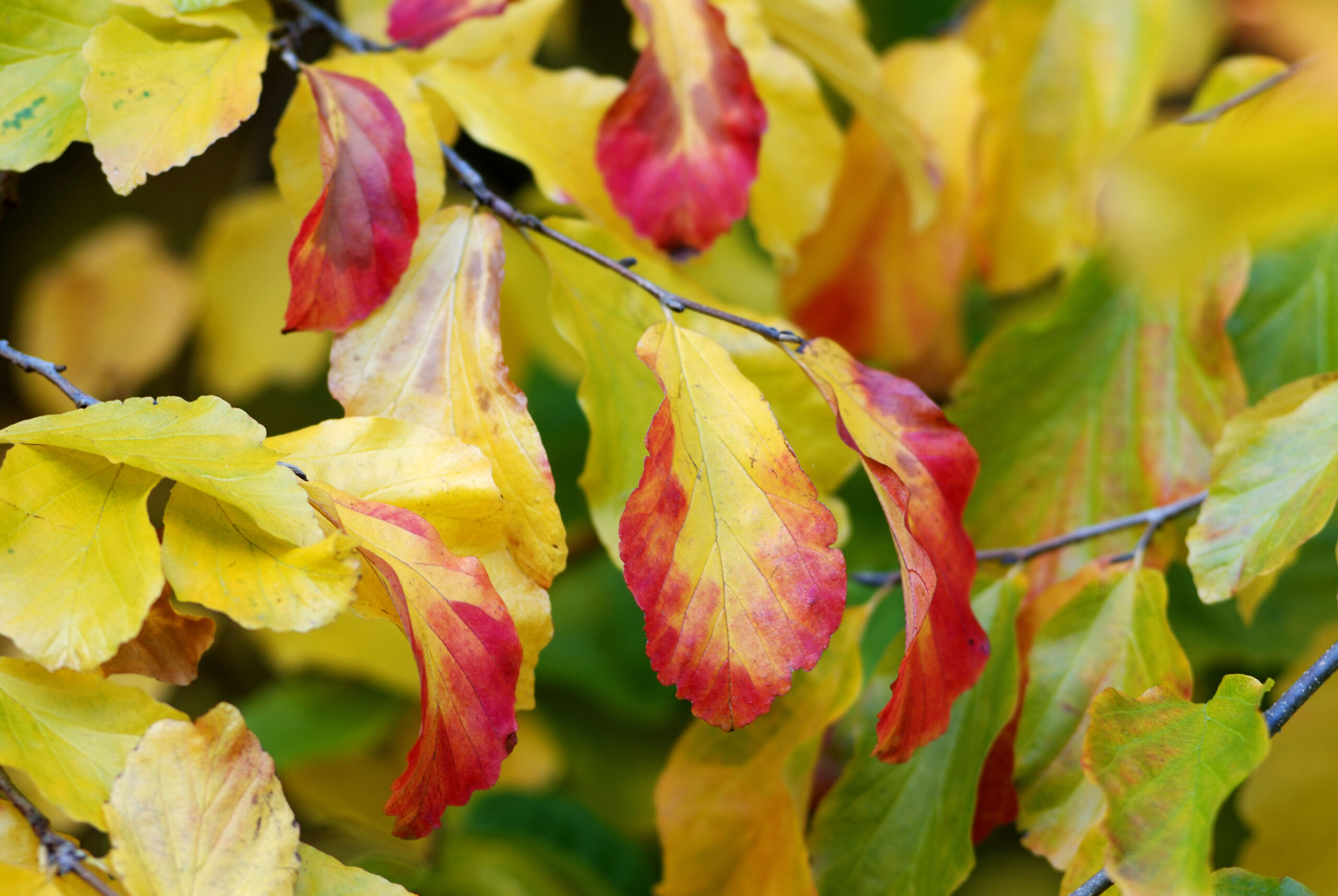
Trained into a ball / mound form, Parrotia persica gives you instant structure: a neat, rounded silhouette that sits beautifully in contemporary gardens, courtyards, and formal planting schemes. Come autumn, the leaves turn through a rich mix of gold, amber, orange, crimson and wine-red — often all on the same plant.
Why We Love It
- Naturally elegant structure — perfect as a focal point
- Exceptional autumn colour (one of the best)
- Hardy and resilient once established
- A brilliant contrast plant among evergreens and grasses
- Looks “designed” year-round, even when not in leaf
Where to Plant It
This is a plant that suits both modern and classic gardens:
- As a statement in a lawn or gravel garden
- In repeated pairs to line a path or frame an entrance
- In mixed borders to add shape and rhythm among softer planting
- Near terraces where you’ll enjoy the autumn colour up close
It’s happy in sun or partial shade. A little sun helps intensify autumn colour, but it’s not fussy.
Care Notes (Simple + Practical)
- Watering: Water well while establishing; after that it’s fairly drought-tolerant, though prolonged dry spells may need a soak.
- Pruning/Clipping: Light clip in summer to maintain the ball/mound outline. Avoid hard pruning unless you’re reshaping.
- Feeding: A spring feed supports healthy growth, especially if it’s in a container.
- Autumn care: Leave fallen leaves as a mulch if you like — they’re great for soil health (or compost them).
Caragh Garden Notebook
This is one of those plants that makes a garden feel intentional. The rounded form is calm and architectural — a perfect counterpoint to looser planting — and then autumn arrives and it puts on a show that feels almost unreal. If you’re building a garden with year-round structure and a seasonal moment of magic, Parrotia is a beautiful choice.
Additional information
| Pot Size |
|---|
Related products
-
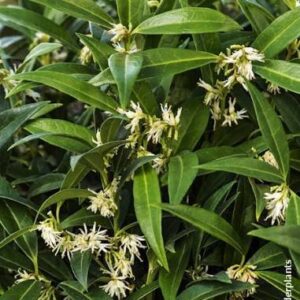
Sarcococca ‘Fragrant Valley’ (Sweet Box)
€25.00 Select options This product has multiple variants. The options may be chosen on the product page -
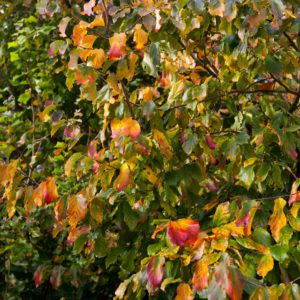
Parrotia persica ‘Vanessa’
€350.00 Select options This product has multiple variants. The options may be chosen on the product page -

Photinia Red Robin Ball
€165.00 Select options This product has multiple variants. The options may be chosen on the product page -
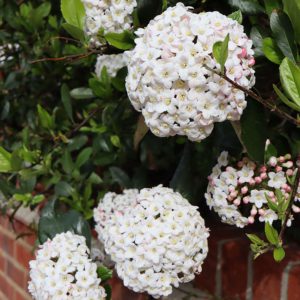
Viburnum tinus French White
€20.00 Select options This product has multiple variants. The options may be chosen on the product page