


Olea Europaea / Olive Trees – 30-40cm girth
€500.00
Frequently Bought Together



Description
Every olive tree we grow tells its own story and this one is the tree that fits beautifully into more lives than almost any other in our collection. At approximately 2 metres overall, with a strong, characterful trunk of 30–40cm girth and a generous full foliage head sitting atop a 70cm clear stem, this is a tree with genuine presence and real flexibility.
It works in a pot on the terrace. It works planted directly into a bed or border. It can — with the right care and the right position even come indoors, bringing a little of the Mediterranean into your home. We will always tell you honestly: it will do better outside. But the option is there, and for a bright, sheltered interior space, a well-cared-for olive makes a truly remarkable houseplant.
The same stunning silver-grey foliage. The same slightly exotic character that stops people in their tracks. The same gnarled, developing trunk that gets more interesting with every passing year. Just in a size that works beautifully in a wide range of spaces and situations.
Quick Facts:
Common Name: Olive Tree
Botanical Name: Olea europaea
Girth: 30–40cm
Clear Stem Height: Approximately 70cm
Overall Height: Approximately 2m
Form: Single stem — full, natural foliage head
Foliage: Silvery grey-green — narrow, light-catching leaves
Flowers: Small, creamy-white — summer
Fruit: Possible in warm, sheltered outdoor positions
Growth Rate: Slow to moderate
Sun: Full sun — essential outdoors; maximum light indoors
Soil: Free-draining; tolerates dry conditions once established
Hardiness: RHS H4 (hardy to approximately -10°C)
Drought Tolerant: Yes — once established outdoors
Indoor Use: Possible with care — always prefers outdoor conditions
Origin: Italy, certified Xylella-free
Certification: Pre-export tested and certified free from Xylella fastidiosa
Best For: Patio pots, beds and borders, bright interiors, courtyard planting
Note: Each tree is individually photographed — what you see is what you receive
Caragh Garden Notebook
Planting Outdoors: Choose a sunny, sheltered position — a south or west-facing aspect is ideal. In a bed or border, plant in free-draining soil enriched with grit if drainage is poor; olive trees will not tolerate cold, wet roots through winter. In a container, use a loam-based compost mixed with horticultural grit and ensure the pot has generous drainage. The 70L pot this tree arrives in gives it excellent room to settle and grow, but can be potted on into a larger container as it develops.
In a Pot: This size and form is particularly well-suited to container growing — the strong trunk and full head sit beautifully in a well-chosen pot, and the contained root system means it can be repositioned seasonally or moved to shelter during hard frost. Choose a container with good visual weight to balance the tree above — the Sydney Aluminium Planter, the Napoli IronOre, or a large Atlas Gold all work beautifully.
As an Interior Plant: With the right conditions, this olive can live indoors — but it needs to earn its position. Place in the brightest possible spot: a south-facing window, a sunlit conservatory, or a well-lit atrium. Rotate the pot regularly for even growth. Water carefully — more sparingly than outdoors — and ensure the pot never sits in standing water. Feed monthly through spring and summer with a balanced liquid fertiliser. Acclimatise gradually when moving between indoors and out; sudden changes in light and temperature stress the tree. And remember — it will always prefer to be outside when the season allows.
Watering: Water consistently through the first season to support establishment. Once settled, olive trees are remarkably drought-tolerant in the ground. Container-grown and indoor specimens need more regular monitoring — check soil moisture frequently in warmer months and water when the top few centimetres of compost are dry.
Feeding: A balanced slow-release fertiliser in spring, and a liquid feed through the growing season for container-grown specimens. A high-potassium feed from midsummer encourages fruiting in trees grown in warm, sheltered outdoor positions.
Pruning: Minimal pruning needed to maintain the natural form. Remove any shoots developing along the clear stem and any dead or crossing branches in late spring. The full foliage head can be lightly shaped if preferred, but the natural, loose form is one of this tree’s greatest qualities — resist the urge to over-clip.
Winter Care: Hardy to approximately -10°C. Move container-grown trees to a sheltered position during prolonged hard frost and protect the root zone with fleece. Indoor trees should be kept in a cool but frost-free position through winter — avoid central heating and warm, dry air which will stress the foliage.
Xylella Certification: All our olive trees are tested and certified free from Xylella fastidiosa prior to leaving Italy.
Styling Notes: The 30–40cm girth olive sits beautifully at a human scale — impressive without overwhelming, and genuinely at home in a wide range of spaces. A single tree in a large, well-chosen pot makes an immediate terrace statement. Planted in a border alongside lavender, Rosmarinus, and ornamental grasses, it anchors a Mediterranean scheme with quiet authority. Indoors, positioned against a white wall in a generous pot, it brings a calm, botanical elegance that no other houseplant quite replicates.
Additional information
| Pot Size |
|---|
Related products
-

Olea europaea / Olive Tree – 60-80cm Girth
€650.00 Select options This product has multiple variants. The options may be chosen on the product page -
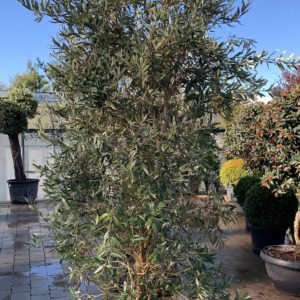
Olea Europaea / Olive natural conical shape
Price range: €320.00 through €400.00 Select options This product has multiple variants. The options may be chosen on the product page -
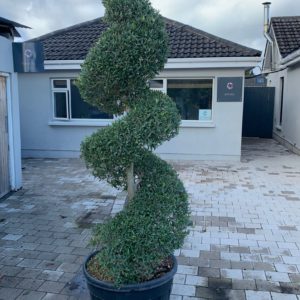
Olea europaea / Olive Spirals
€750.00 Select options This product has multiple variants. The options may be chosen on the product page -
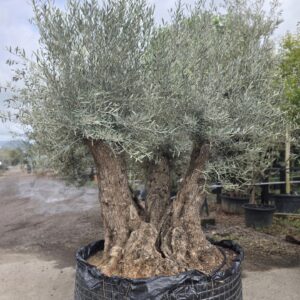
Olea europaea / Mature Gnarled Olive Tree — Multi-Stem (3-Stem Specimen)
€3,500.00 Select options This product has multiple variants. The options may be chosen on the product page