

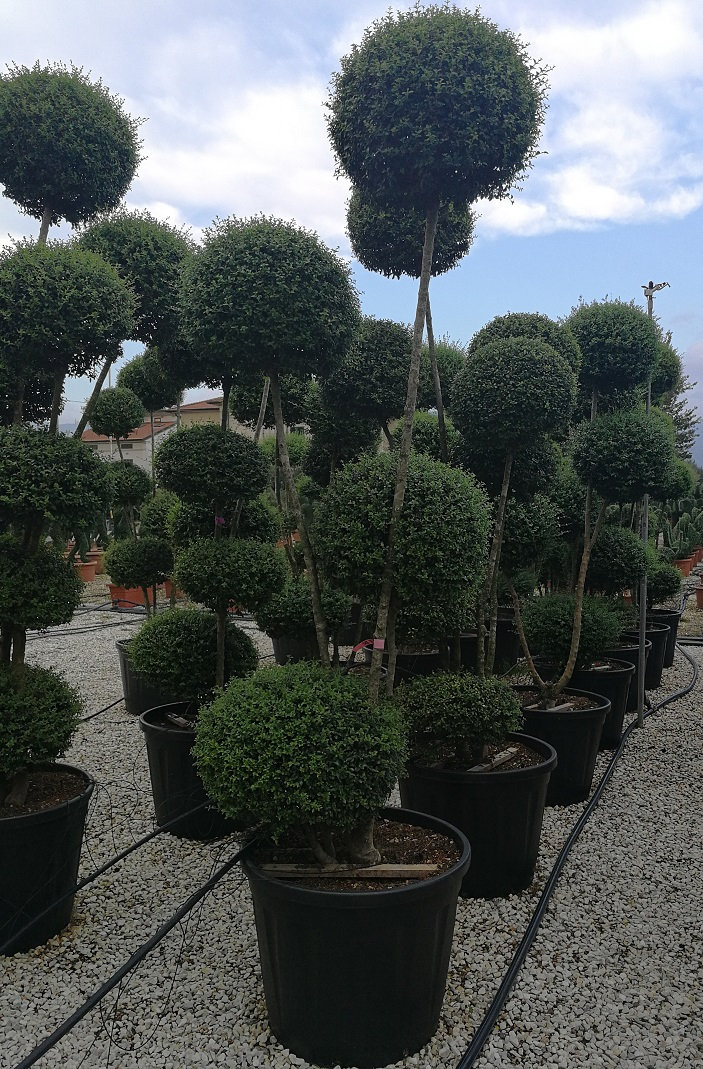
Ligustrum Jonandrum (multi-stem) Multi-ball Specimens
Price range: €660.00 through €1,320.00
Frequently Bought Together
Description
Quick Facts
- Common Name: Privet Topiary (Multi-ball, Multi-stem)
- Botanical Name: Ligustrum jonandrum
- Plant Type: Evergreen (or semi-evergreen) shrub, trained topiary specimen
- Form: Multi-stem framework with multiple clipped balls (“cloud”/pom pom effect)
- Mature Height: 1.5–3m+ (kept to size with clipping; depends on stem height and number of balls)
- Mature Spread: 1–2m (managed by pruning)
- Foliage: Small, glossy green leaves; dense and tidy when clipped
- Season of Interest: Year-round structure and greenery
- Hardiness: Hardy in most UK & Ireland gardens; shelter helps in very exposed sites
- Soil Requirements: Moist, well-drained soil; adaptable and tolerant once established
- Aspect: Full sun to part shade
- Maintenance: Moderate (clip to keep the balls crisp)
Description
Ligustrum jonandrum trained as a multi-stem, multi-ball specimen is instant structure—clean lines, evergreen presence, and that beautifully “designed” look you usually only see in finished gardens. Multiple stems rise from the base, each carrying clipped spheres of glossy green foliage, creating a sculptural, cloud-like silhouette that works brilliantly in both contemporary and formal spaces.
It’s the kind of plant that makes everything around it feel calmer and more intentional. Use one as a statement piece in a border, or place a pair in large pots to frame an entrance. Because ligustrum is naturally vigorous and forgiving, it responds well to clipping and thickens up over time, giving you denser balls and a stronger outline with each season.
Evergreen (or semi-evergreen in colder spots), it holds its shape year-round—so even in winter, when borders are resting, you still have height, rhythm and structure.
Caragh Garden Notebook
Planting:
Plant in spring or autumn. Choose a spot in sun or part shade. Dig a generous hole and improve the soil with compost to help establishment. Plant at the same depth as in the pot, firm in gently, water well, and mulch to conserve moisture (keeping mulch away from the stems). For pots, choose a large, heavy container with excellent drainage.
Plant in spring or autumn. Choose a spot in sun or part shade. Dig a generous hole and improve the soil with compost to help establishment. Plant at the same depth as in the pot, firm in gently, water well, and mulch to conserve moisture (keeping mulch away from the stems). For pots, choose a large, heavy container with excellent drainage.
Soil Preparation:
Ligustrum is adaptable, but performs best in moist, well-drained soil. Improve heavy clay with compost (and a little grit if needed) to prevent winter waterlogging. In very light soils, add organic matter to help hold moisture.
Ligustrum is adaptable, but performs best in moist, well-drained soil. Improve heavy clay with compost (and a little grit if needed) to prevent winter waterlogging. In very light soils, add organic matter to help hold moisture.
Watering:
Water regularly in the first year, especially in dry spells. Specimens in pots need consistent watering in spring and summer. Avoid letting containers dry out completely, as this can cause leaf drop and uneven growth.
Water regularly in the first year, especially in dry spells. Specimens in pots need consistent watering in spring and summer. Avoid letting containers dry out completely, as this can cause leaf drop and uneven growth.
Clipping & Keeping the Multi-Ball Shape:
- Clip 2–3 times a year during the growing season to maintain crisp spheres.
- Best windows: late spring/early summer, mid-summer, and early autumn.
- Clip little and often for the neatest finish.
- Rotate container plants every few weeks for even growth and colour.
- If any shoots break the outline, snip them back promptly to keep the shape clean.
Feeding:
A spring feed with a balanced slow-release fertiliser supports dense, healthy growth. Container plants benefit from an extra liquid feed in summer.
A spring feed with a balanced slow-release fertiliser supports dense, healthy growth. Container plants benefit from an extra liquid feed in summer.
Pests & Problems:
Generally trouble-free. Watch for scale insects on older stems and aphids on soft new growth (usually easily managed). In pots, the main issues are drying out in summer and waterlogging in winter.
Generally trouble-free. Watch for scale insects on older stems and aphids on soft new growth (usually easily managed). In pots, the main issues are drying out in summer and waterlogging in winter.
Design Notes:
A perfect focal point for entrances, patios, gravel gardens, and formal borders. Looks stunning against stone, pale walls, or dark evergreens. Pair with softer planting—grasses, lavender, salvias, or hydrangeas—to make the clipped form really stand out.
A perfect focal point for entrances, patios, gravel gardens, and formal borders. Looks stunning against stone, pale walls, or dark evergreens. Pair with softer planting—grasses, lavender, salvias, or hydrangeas—to make the clipped form really stand out.
Related products
-
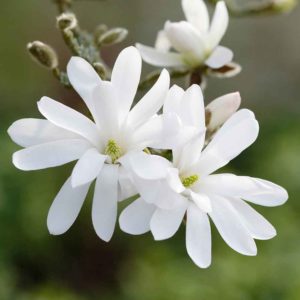
Magnolia stellata
€65.00 Select options This product has multiple variants. The options may be chosen on the product page -

Buxus sempervirens / Box Cones
€95.00 Select options This product has multiple variants. The options may be chosen on the product page -

Viburnum plicatum Kilimanjaro
€25.00 Select options This product has multiple variants. The options may be chosen on the product page -
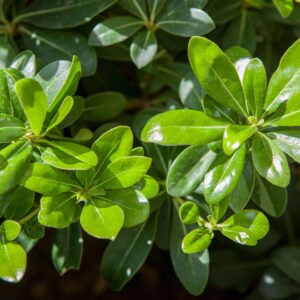
Pittosporum tobira ‘Nana’ Ball / Japanese Mock Orange
Price range: €20.00 through €95.00 Select options This product has multiple variants. The options may be chosen on the product page