

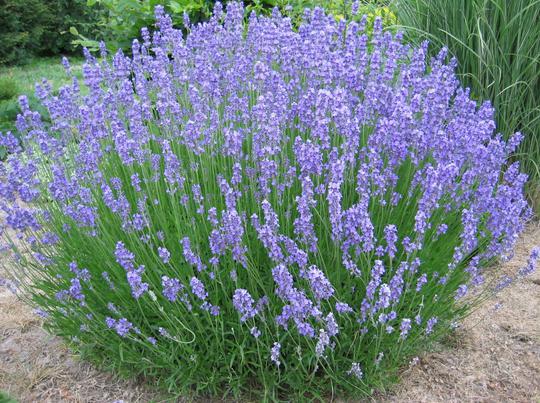
Lavender intermedia ‘Dutch’
€9.50
Frequently Bought Together

Description
Quick Facts
Botanical Name: Lavender ‘Dutch’
Common Name: Lavender
Plant Type: Evergreen shrub
Position: Full sun
Soil: Free-draining (gritty/lean soil ideal)
Flowering: Summer (typically June–August)
Foliage: Silvery-green, aromatic, evergreen
Wildlife: Brilliant for bees and pollinators
Great For: Edging, low hedging, pots, gravel gardens, sunny borders
Hardiness: Hardy in Irish/UK gardens (best in a sheltered, sunny spot)
Common Name: Lavender
Plant Type: Evergreen shrub
Position: Full sun
Soil: Free-draining (gritty/lean soil ideal)
Flowering: Summer (typically June–August)
Foliage: Silvery-green, aromatic, evergreen
Wildlife: Brilliant for bees and pollinators
Great For: Edging, low hedging, pots, gravel gardens, sunny borders
Hardiness: Hardy in Irish/UK gardens (best in a sheltered, sunny spot)
Description
There’s something instantly calming about lavender—like a deep breath in the garden. Lavender ‘Dutch’ is a beautifully neat, reliable variety with silvery foliage and richly scented flowers that bring colour, structure, and that classic summer fragrance to borders and pots.
It’s perfect for lining a path, softening the edge of a patio, or creating a low, tidy hedge that looks good all year. Plant it somewhere you’ll brush past often—near a doorway, along a walkway, beside a bench—and you’ll get that lovely burst of scent every time.
Caragh Garden Notebook
Planting: Choose a sunny, open spot. Lavender hates sitting wet, so improve drainage with grit or plant slightly proud of the soil level. Great in pots with a free-draining compost mix.
Watering: Water well after planting and during the first growing season. Once established, it’s drought tolerant and prefers to dry slightly between waterings.
Feeding: Keep it simple—too much feed can mean softer growth and fewer flowers. A light spring feed is plenty (especially in pots).
Pruning: Trim after flowering to keep it compact and bushy. Avoid cutting back into old woody stems, as lavender can struggle to regrow from hard wood.
Winter Care: Ensure good drainage. In very exposed spots or pots, a sheltered position helps protect foliage from harsh winds and prolonged wet.
Design Notes: Gorgeous with roses, salvias, nepeta and ornamental grasses. Use in repetition for that timeless, structured look—especially along paths and driveways.
Watering: Water well after planting and during the first growing season. Once established, it’s drought tolerant and prefers to dry slightly between waterings.
Feeding: Keep it simple—too much feed can mean softer growth and fewer flowers. A light spring feed is plenty (especially in pots).
Pruning: Trim after flowering to keep it compact and bushy. Avoid cutting back into old woody stems, as lavender can struggle to regrow from hard wood.
Winter Care: Ensure good drainage. In very exposed spots or pots, a sheltered position helps protect foliage from harsh winds and prolonged wet.
Design Notes: Gorgeous with roses, salvias, nepeta and ornamental grasses. Use in repetition for that timeless, structured look—especially along paths and driveways.
FAQs
Is Lavender ‘Dutch’ good for pots?
Yes—lavender thrives in containers as long as the compost is free-draining and the pot doesn’t stay waterlogged.
Yes—lavender thrives in containers as long as the compost is free-draining and the pot doesn’t stay waterlogged.
Does lavender need full sun?
For best flowering and fragrance, absolutely. Lavender will tolerate light shade, but it won’t perform as well.
For best flowering and fragrance, absolutely. Lavender will tolerate light shade, but it won’t perform as well.
When should I prune lavender?
Prune straight after flowering (late summer) to keep it neat. A light tidy in spring is fine too—just don’t cut into old wood.
Prune straight after flowering (late summer) to keep it neat. A light tidy in spring is fine too—just don’t cut into old wood.
Is it bee-friendly?
Very—lavender is one of the best plants you can grow for pollinators.
Very—lavender is one of the best plants you can grow for pollinators.
Additional information
| Pot Size |
|---|
Related products
-

Quercus suber / Cork Oak
€2,200.00 Select options This product has multiple variants. The options may be chosen on the product page -
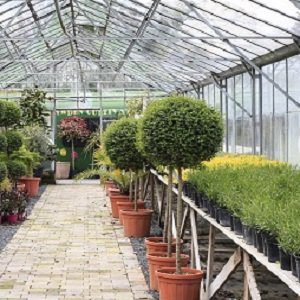
Ligustrum jonandrum 1/2 standard
€185.00 Select options This product has multiple variants. The options may be chosen on the product page -
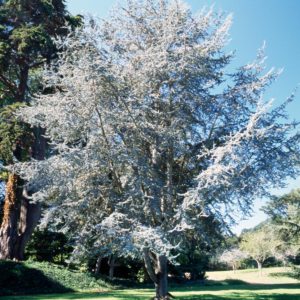
Cedrus atlantica Glauca
Price range: €240.00 through €1,500.00 Select options This product has multiple variants. The options may be chosen on the product page -
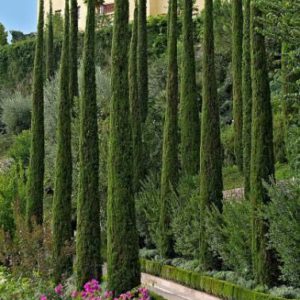
Cupressus sempervirens Pyramidalis / Italian Cypress or Pencil Cypress
Price range: €45.00 through €1,200.00 Select options This product has multiple variants. The options may be chosen on the product page