

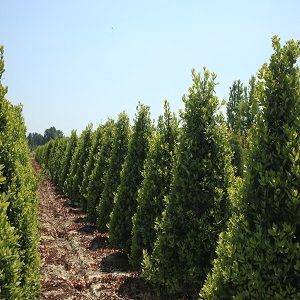
Laurus nobilis Cones
€650.00
Frequently Bought Together
 Caragh Nurseries Multi-Purpose Compost - 50L (Pot Size: 50l) Caragh Nurseries Multi-Purpose Compost - 50L (Pot Size: 50l) |
€8.00 |
| Total for selected item(s) | €8.00 |
Description
Quick Facts
- Botanical Name: Laurus nobilis
- Common Name: Bay Tree / Culinary Bay
- Plant Type: Evergreen shrub trained into cone topiary
- Mature Size: Varies by cone size and pot; can be kept to size with clipping
- Position: Full sun or partial shade (sheltered is best)
- Soil: Free-draining soil; ideal in pots with good drainage
- Hardiness: Hardy in mild areas; best protected from harsh, drying winds and hard frost
- Best Feature: Classic evergreen structure + beautifully aromatic leaves you can cook with
The Classic Pairing of Beauty and Usefulness
Bay cones are one of those timeless garden details that instantly make a space feel finished. Crisp, evergreen, and wonderfully architectural, Laurus nobilis brings year-round structure — and then quietly earns its keep in the kitchen too.
The foliage is glossy, deep green, and naturally dense, which is why it clips so well into a clean cone shape. Place a pair by a doorway, line a path, or use them to bring order to a softer, more romantic planting scheme.
Why We Love Them
- Evergreen structure in every season
- Topiary-ready — holds a sharp cone shape beautifully
- Aromatic, culinary leaves for stews, sauces and roasts
- Perfect for pots (and easy to move to a more sheltered spot in winter)
Where to Use Bay Cones
Bay cones are incredibly versatile and look equally at home in contemporary or cottage-style gardens:
- Either side of an entrance for instant symmetry
- On patios and terraces to add height and structure
- Along paths to create rhythm and a sense of arrival
- In large planters to frame seating areas or outdoor kitchens
They’ll grow in sun or partial shade, but do best in a sheltered position, especially in exposed gardens.
Care Notes (Simple + Practical)
- Watering: In pots, water regularly in spring/summer; don’t let it sit waterlogged. In the ground, water well while establishing.
- Pruning/Clipping: Clip once or twice a year (late spring and/or late summer) to keep that crisp cone outline.
- Feeding: A spring feed is ideal, especially for container plants.
- Winter care: In colder spells, protect pots from prolonged hard frost (move to shelter or wrap the container). Avoid very exposed, windy spots.
Caragh Garden Notebook
There’s something quietly luxurious about bay cones — they’re neat, evergreen, and instantly calming, like the garden has been gently tidied into place. And then, on a winter evening, you can step outside, pick a leaf, and drop it into the pot. Practical magic.
Related products
-

Cupressus Castlewellan Gold / Castlewellan Gold Cypress Pom poms
Price range: €300.00 through €500.00 Select options This product has multiple variants. The options may be chosen on the product page -

Buxus sempervirens / Box Cones
€95.00 Select options This product has multiple variants. The options may be chosen on the product page -
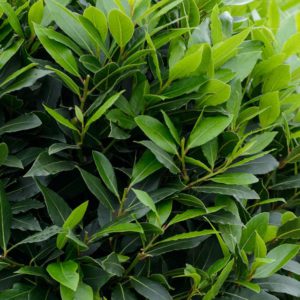
Laurus nobilis / Bay Laurel
Price range: €17.50 through €320.00 Select options This product has multiple variants. The options may be chosen on the product page -
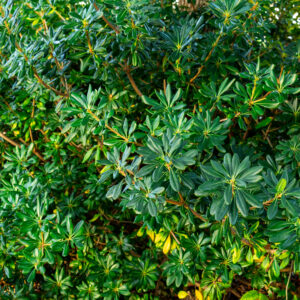
Pittosporum tobira
Price range: €20.00 through €780.00 Select options This product has multiple variants. The options may be chosen on the product page