

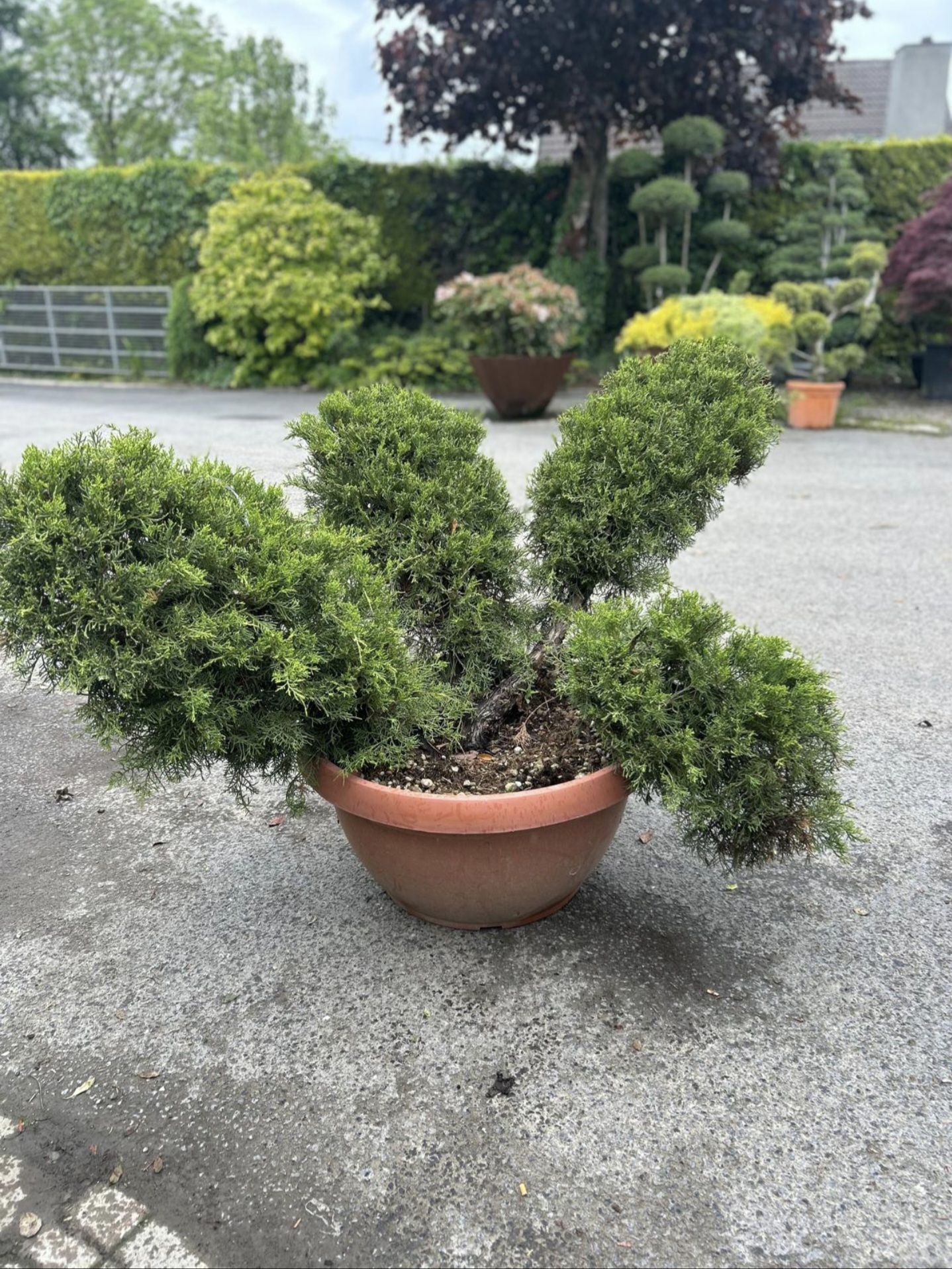
Juniperus bonsai
€280.00
Frequently Bought Together

Description
Quick Facts
- Botanical Name: Juniperus (bonsai specimen)
- Common Name: Juniper Bonsai
- Plant Type: Evergreen conifer, trained bonsai/niwaki-style
- Pot Size: 70L bowl planter
- Approx. Height (as pictured): 50–80cm above the bowl (varies by specimen)
- Approx. Spread (as pictured): 90–140cm (often wider than tall)
- Foliage Colour: Fresh to deep green, fine textured evergreen foliage
- Hardiness: Very hardy in Ireland & the UK
- Soil Requirements: Free-draining soil/compost (never waterlogged)
- Aspect: Sun to light shade (best in sun)
- Maintenance: Moderate (regular light trimming to hold shape)
Description
This Juniper bonsai is a living sculpture — trained into soft, cloud-like pads with a low, sweeping silhouette that instantly brings calm, Japanese-inspired structure to a space. Planted in a generous 70L bowl, it has real presence: grounded, architectural, and beautifully balanced, with each curve and branch line shaped over time. It’s the kind of piece that makes a patio, entrance, or courtyard feel considered and complete.
Caragh Garden Notebook
Planting / positioning:
This is best kept as a statement in its bowl. Place it somewhere bright and open — junipers thicken and hold their colour best with plenty of light and good airflow. Rotate the bowl every few weeks for even growth.
This is best kept as a statement in its bowl. Place it somewhere bright and open — junipers thicken and hold their colour best with plenty of light and good airflow. Rotate the bowl every few weeks for even growth.
Watering:
Water thoroughly when the top of the compost begins to dry, then allow excess to drain away. In warm or windy weather, bowls can dry faster than you expect — check regularly. In winter, reduce watering, but don’t let it dry out completely.
Water thoroughly when the top of the compost begins to dry, then allow excess to drain away. In warm or windy weather, bowls can dry faster than you expect — check regularly. In winter, reduce watering, but don’t let it dry out completely.
Feeding:
Feed from spring to late summer with a gentle, regular fertiliser (slow-release or liquid). Avoid heavy feeding late in the season.
Feed from spring to late summer with a gentle, regular fertiliser (slow-release or liquid). Avoid heavy feeding late in the season.
Pruning & shaping:
Light, regular trimming keeps the “pads” neat and dense. Avoid cutting back into old, bare wood where there’s no green growth. If you want to refine the outline, do it gradually — small edits through the season rather than one big chop.
Light, regular trimming keeps the “pads” neat and dense. Avoid cutting back into old, bare wood where there’s no green growth. If you want to refine the outline, do it gradually — small edits through the season rather than one big chop.
Seasonal Care & Tidy-Up:
Remove any dead needles and keep the surface of the bowl tidy. In very exposed gardens, shelter from severe drying winds to prevent browning.
Remove any dead needles and keep the surface of the bowl tidy. In very exposed gardens, shelter from severe drying winds to prevent browning.
Pests & Problems:
Generally robust. Watch for spider mite in hot, dry spells and occasional scale insects. Good airflow and correct watering prevent most issues.
Generally robust. Watch for spider mite in hot, dry spells and occasional scale insects. Good airflow and correct watering prevent most issues.
Design Notes:
Perfect for courtyards, gravel gardens, contemporary patios, and entranceways. It pairs beautifully with stone, corten, pale gravel, and simple planting — think grasses, mossy textures, and low, quiet greenery that lets the bonsai be the hero.
Perfect for courtyards, gravel gardens, contemporary patios, and entranceways. It pairs beautifully with stone, corten, pale gravel, and simple planting — think grasses, mossy textures, and low, quiet greenery that lets the bonsai be the hero.
Related products
-
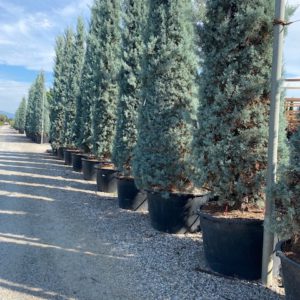
Cupressus Arizonica Fastigiata
Price range: €55.00 through €540.00 Select options This product has multiple variants. The options may be chosen on the product page -
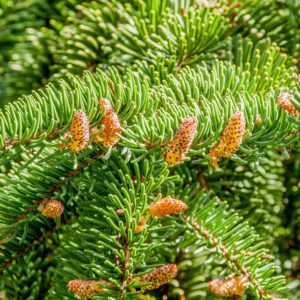
Abies nordmanniana / Nordmann Fir
€550.00 Select options This product has multiple variants. The options may be chosen on the product page -

Pinus strobus
Price range: €750.00 through €950.00 Select options This product has multiple variants. The options may be chosen on the product page -
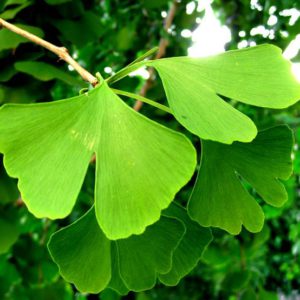
Ginkgo biloba
Price range: €180.00 through €600.00 Select options This product has multiple variants. The options may be chosen on the product page