

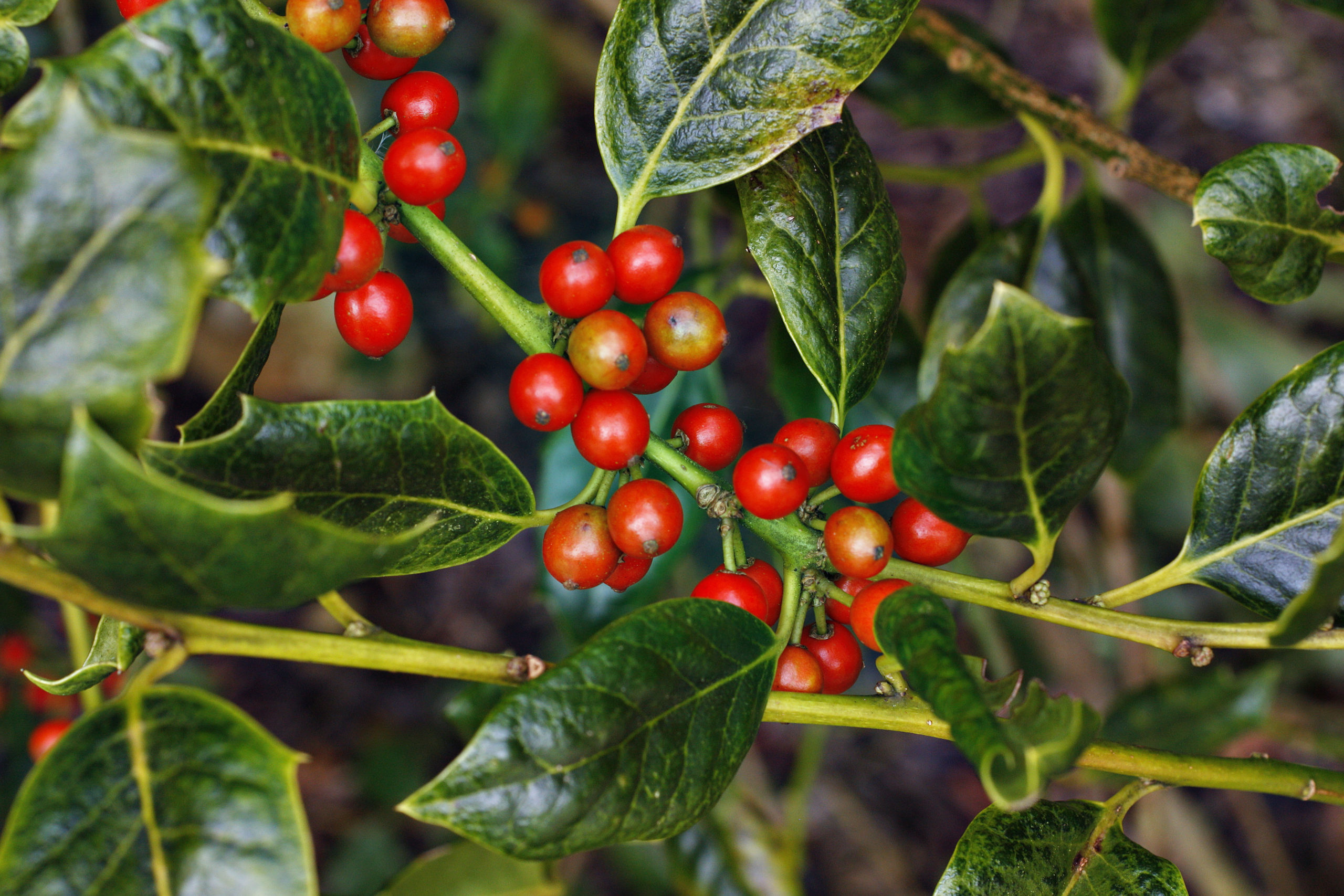
Ilex Nellie Stevens Bush
Price range: €450.00 through €600.00
Frequently Bought Together

Description
Quick Facts
– Botanical Name: Ilex × Nellie R. Stevens
– Common Name: Nellie Stevens Holly
– Plant Type: Evergreen shrub or small tree
– Mature Height: 3–6m (easily maintained at a lower height with annual clipping)
– Mature Spread: 2–4m
– Flowering Period: Spring — small greenish-white flowers
– Flower Colour: Greenish-white, small and modest — the berries are the showstopper
– Fruit: Abundant bright red berries in autumn and winter — a generous and long-lasting display
– Foliage: Deep, dark glossy green leaves — rich, handsome, and evergreen through every season
– Habit: Upright, vigorous, naturally well-formed
– Aspect: Full sun to partial shade
– Soil: Moist, well-drained; tolerant of most soils
– Hardiness: Very hardy in Ireland & the UK
– Pruning: Best carried out in winter
– Maintenance: Low
Description
Nellie Stevens Holly is one of the finest and most dependable hollies you can plant — a deep, dark evergreen of real substance with all the character the holly family is celebrated for, and the berries to match. From autumn through winter, the glossy dark leaves are set against an abundance of bright red berries that bring warmth, colour, and wildlife to the garden at precisely the time it needs it most. It is the classic winter combination, and in ‘Nellie Stevens’ it is delivered generously and reliably.
Through spring the plant flowers modestly in small greenish-white clusters before the berries develop, and through summer the rich, dark glossy foliage provides a solid, handsome evergreen presence that holds the garden together through every season. Upright, vigorous, and naturally well-formed, it earns its place as a privacy screen, a hedge, a border shrub, or a bold standalone specimen — one of the most versatile and reliable evergreens available for the Irish garden.
Dark, glossy, and laden with berries — a holly of real character for every season.
Caragh Garden Notebook
Planting:
Plant in autumn or early spring into moist, well-drained soil. ‘Nellie Stevens’ is tolerant of most soil types and is one of the easier hollies to establish. A position in full sun gives the densest growth and the best berry production; partial shade is well tolerated and the plant performs reliably in both. For hedging or screening, plant at intervals of around 60–75cm for a dense, well-filled screen; for a specimen, give it room to develop its naturally upright, well-formed habit. Water in thoroughly after planting and mulch around the base to retain moisture through the first season.
Watering:
Water consistently through the first growing season while the plant establishes. Once settled, ‘Nellie Stevens’ is reasonably drought-tolerant and requires little supplementary watering in an Irish garden beyond natural rainfall. During prolonged dry spells, particularly in the first summer, a thorough watering will support establishment and healthy growth. In containers, water regularly through the growing season and ensure the pot drains freely.
Feeding:
A light balanced fertiliser in spring supports steady, healthy growth and good berry production. An annual mulch of well-rotted compost or leafmould around the base in late winter or early spring feeds gently, retains moisture, and improves the soil over time. The plant is not demanding and performs well with minimal intervention.
Pruning:
Hollies are best pruned in winter — December to February — while the plant is dormant and when the risk of stimulating soft, frost-vulnerable new growth is lowest. For a hedge or screen, clip once in winter to maintain shape; for a specimen, remove any dead, damaged, or crossing branches and tidy as needed. If ever a plant needs renovation, hollies respond well to hard pruning in winter and will reshoot reliably from old wood. The abundant berries are best left untouched through winter — they are a valuable food source for birds and one of the plant’s finest seasonal qualities.
Berry Production:
As with all hollies, ‘Nellie Stevens’ produces its best berry crops when a male pollinator is present nearby. However, this variety is known for its generous and reliable fruiting even without a dedicated pollinator in many gardens — the presence of any male holly within range will support the crop. If berries are sparse, consider planting a suitable male holly nearby to maximise production.
Pests & Problems:
Generally very trouble-free and one of the more resilient hollies. Holly leaf miner can occasionally cause pale, blotchy marks on the leaves — affected foliage can be removed, and the problem is cosmetic rather than serious. Leaf scorch can occur in very exposed, drying wind conditions; a reasonably sheltered position prevents this. Otherwise, ‘Nellie Stevens’ is a dependable, long-lived plant with very few concerns.
Design Notes:
The deep, dark glossy foliage and abundant winter berries make ‘Nellie Stevens’ one of the most effective and hardworking of the large evergreens — a plant that contributes genuine ornamental value and year-round structure. Use it as a dense privacy screen or hedge along a boundary, where the rich dark foliage provides solid coverage all year and the winter berries transform it into something genuinely beautiful; plant it as a specimen in a border, where the upright form and glossy leaves provide an anchor and a backdrop for lighter, more seasonal planting; or use it as a standalone shrub in a prominent position, where the winter berry display can be appreciated from the house. It combines naturally with other winter interest planting — witch hazels, hellebores, and winter-flowering cherries — and the berries are a magnet for birds through the colder months.
Related products
-
Prunus Novita Hedging
Price range: €15.00 through €225.00 Select options This product has multiple variants. The options may be chosen on the product page -
Ilex Nellie Stevens Standard & 3/4 Standard Trees
Price range: €450.00 through €1,500.00 Select options This product has multiple variants. The options may be chosen on the product page -

Photinia x fraseri ‘Compacta’
Price range: €15.00 through €150.00 Select options This product has multiple variants. The options may be chosen on the product page -
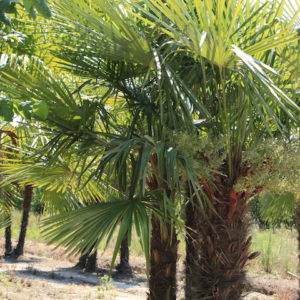
Chamaerops excelsa / Trachycarpus fortunei
Price range: €45.00 through €2,000.00 Select options This product has multiple variants. The options may be chosen on the product page