

Hydrangea quercifolia – Oak Leaf Hydrangea
€15.00
Frequently Bought Together
Description
Quick Facts
– Botanical Name: Hydrangea quercifolia
– Common Name: Oak Leaf Hydrangea
– Plant Type: Hardy deciduous shrub
– Mature Height: 1.5–2.5m
– Mature Spread: 1.5–2.5m
– Flowering Period: June to September
– Flower Colour: White, fading to parchment-pink and papery brown — attractive at every stage
– Foliage Colour: Dark green in summer; exceptional bronze, orange, and reddish-purple autumn colour
– Bark: Warm, peeling cinnamon-brown — an attractive winter feature in its own right
– Hardiness: Hardy; benefits from shelter while young and in more exposed positions
– Soil Requirements: Moist, well-drained soil
– Aspect: Full sun to partial shade
– Awards: RHS Award of Garden Merit (AGM)
– Maintenance: Low
Description
Hydrangea quercifolia is one of those plants that rewards you in every season and asks very little in return. Named for its large, deeply lobed leaves — strikingly similar to those of the American oak it takes its name from — it begins the year with bold, architectural foliage in rich dark green, before producing generous white flower heads of star-shaped florets through the summer months. As autumn arrives, the display shifts again: those big leaves move through bronze, orange, and deep reddish-purple in one of the most genuinely spectacular autumn colour shows any shrub can offer. Even in winter, when the leaves have fallen, the warm peeling cinnamon-brown bark carries the plant with quiet dignity through the coldest months.
Few shrubs earn their space in a border as completely as this one. It holds the RHS Award of Garden Merit — and having grown it, it’s easy to understand why.
Caragh Garden Notebook
Planting:
Plant in spring or autumn into moist, well-drained soil enriched with plenty of organic matter. Unlike some hydrangeas, quercifolia is not fussy about soil pH — flower colour is white and remains unaffected by acidity or alkalinity. Choose a sheltered position, particularly for young plants, as the large leaves can be damaged by cold, drying winds in the first season or two. Once established it becomes considerably more resilient. Water in thoroughly and mulch around the base to retain moisture.
Watering:
Water regularly and generously through the first growing season while roots are establishing. Once settled, it copes reasonably well with drier periods, but consistent moisture through summer produces the best foliage and flowering. Avoid waterlogged conditions — good drainage at the root is as important as regular water at the surface.
Feeding:
A spring mulch of well-rotted compost or leafmould feeds the plant gently and helps retain soil moisture through summer. In poorer soils, a balanced slow-release fertiliser in spring will encourage strong growth and good autumn colour. Avoid high-nitrogen feeds, which push leafy growth at the expense of flowers and autumn colour.
Pruning & Seasonal Care:
Hydrangea quercifolia flowers on the previous year’s wood — so hard pruning will cost you the season’s flowers. In spring, simply remove any stems that have died back over winter, cutting back to a healthy pair of buds. Spent flower heads can be left on through winter — they turn papery and brown and are genuinely attractive through the colder months, while also offering some frost protection to the buds below. Remove them in early spring when new growth begins to show.
Shelter & Establishment:
Young plants benefit from a sheltered position away from cold, drying winds while they establish. A spot against a warm wall or within the protection of other shrubs is ideal in the first year or two. Once the root system is properly developed, the plant becomes considerably more resilient and can tolerate more exposed conditions. In particularly cold or frost-prone areas, a light mulch around the base in late autumn will protect the roots through winter.
Pests & Problems:
Generally trouble-free and one of the less demanding hydrangeas to grow. As with all hydrangeas, avoid waterlogged soil — the most common cause of poor performance. Late spring frosts can occasionally catch emerging buds in exposed positions; shelter at planting time is the most reliable preventative measure.
Design Notes:
The four-season interest is what makes this hydrangea genuinely special — there are few shrubs that look as good in October as they do in July. The large, lobed leaves bring a bold, almost tropical quality to a border in summer; the autumn colour holds its own against even the most vivid ornamental trees; and the warm peeling bark gives the winter garden something worth looking at when little else does. Use it as a specimen shrub where it has space to develop properly, or as a structural anchor in a mixed border among lower perennials and grasses. It combines beautifully with late-season perennials — rudbeckias, persicarias, and late salvias all complement both the summer flowers and the autumn foliage. For a woodland-edge planting, it is particularly at home: generous, characterful, and completely in keeping with its North American origins.
Additional information
| Pot Size |
|---|
Related products
-

Acer palmatum Orange Dream
Price range: €140.00 through €195.00 Select options This product has multiple variants. The options may be chosen on the product page -
Betula Jacquemontii / Himalayan Birch
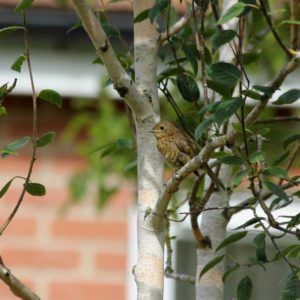
Price range: €350.00 through €600.00 Select options This product has multiple variants. The options may be chosen on the product page -
Acer dissectum Emerald Lace
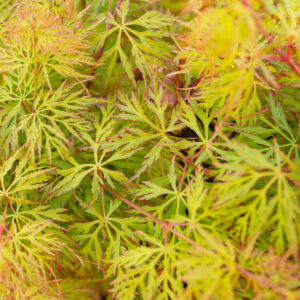
Price range: €105.00 through €385.00 Select options This product has multiple variants. The options may be chosen on the product page -
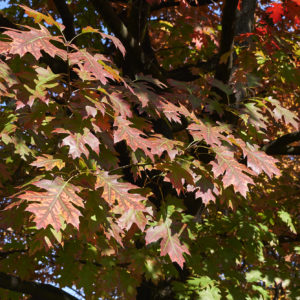
Quercus rubra / Red Oak
€225.00 Select options This product has multiple variants. The options may be chosen on the product page