


Hebe ‘Silver Dollar’
€8.50
Frequently Bought Together
Description
Quick Facts
– Botanical Name: Hebe ‘Silver Dollar’
– Common Name: Silver Dollar Hebe
– Plant Type: Low-growing, compact evergreen shrub
– Mature Height: 30–50cm
– Mature Spread: 50–90cm
– Flowering Period: Summer (spikes of pale flowers in season)
– Foliage Colour: Variegated grey-green with cream margins; the cream margins transform to brilliant magenta-pink in winter, holding through to early spring
– Habit: Low, mounded, spreading — makes a tidy, rounded evergreen cushion
– Aspect: Full sun to partial shade
– Soil: Well-drained; tolerant of most soils once established; dislikes waterlogging
– Hardiness: Hardy in milder and coastal areas; protect from hard frost and cold, drying winds; may suffer in severe winters
– Maintenance: Low
Description
Hebe ‘Silver Dollar’ is one of those plants that does something quietly remarkable — it changes colour at the time of year when the garden most needs it to. Through the growing season it forms a tidy, low, mounded cushion of variegated foliage — soft grey-green with clean cream margins — attractive and dependable enough on its own. But as winter arrives, those cream margins transform to a brilliant, bursting magenta-pink, most intensely on the new buds, which look as though they are filled with colour about to escape. The effect holds all the way through winter to early spring, bringing a genuine splash of pink to the garden at the one time of year when colour contributions are most prized.
Low, compact, and evergreen, it works as a small structural plant with a strong seasonal story — as neat and useful as an evergreen ground cover or low cushion, yet with a winter performance that makes it feel entirely special.
Caragh Garden Notebook
Planting:
Plant in spring or early autumn into well-drained soil — Hebes need good drainage above all else and will not perform in waterlogged or heavy, wet ground. A position in full sun to partial shade suits them well; full sun brings the strongest colouring and the best flowering. In colder or very exposed gardens, choose a sheltered position, ideally with some protection from cold, drying winds and hard frost, which can damage the foliage and wood. Water in thoroughly after planting and mulch around the base with grit or gravel rather than rich compost, which can hold excess moisture at the base over winter.
Watering:
Water consistently through the first growing season while roots establish. Once settled, ‘Silver Dollar’ is reasonably drought-tolerant and requires little supplementary watering in an Irish or UK garden beyond natural rainfall. Good drainage is always more important than generous watering — the plant will tolerate dry conditions far more happily than wet ones, particularly through winter. In containers, ensure the pot has generous drainage and allow the surface to dry between waterings.
Feeding:
Feed lightly in spring. A small application of a balanced slow-release fertiliser as growth begins will support healthy, compact growth and good colour; in reasonably fertile soil, no further feeding is needed. Avoid rich, high-nitrogen feeding, which encourages soft, lush growth that is more vulnerable to frost damage and less true to the plant’s compact habit. In containers, a weak balanced liquid feed every few weeks through the growing season is sufficient.
Pruning:
Pruning is optional but beneficial for keeping the plant neat and well-branched. A light trim after flowering, or a gentle shaping in late spring, will keep the cushion tidy and encourage denser, more compact growth. Annual light pruning in spring — removing any winter-damaged or straggly stems — keeps the plant looking its best. Avoid heavy cutting back into old wood, which Hebes can be slow to regrow from. Remove any shoots that have reverted to plain green without cream margins, as these are more vigorous and will otherwise dominate.
Winter Care:
The winter colour is the plant’s great asset, so protecting it through the coldest months is worthwhile. In hard frosts or cold, drying winds, a light covering of horticultural fleece or a move to a sheltered position for container plants will protect both the foliage and the magenta colouring. Container-grown plants are more vulnerable to frost than those in the ground, so either move the pot to a sheltered spot near a wall or wrap the pot to protect the roots. A gravel mulch over the root zone in late autumn helps keep the base dry and the roots protected through winter.
Pests & Problems:
Generally healthy and trouble-free. Downy mildew can occasionally affect Hebes in humid conditions — good air circulation and avoiding overhead watering help prevent it. The most common issue is a hard winter, which can cause die-back; choose a sheltered position and provide frost protection in exposed gardens to minimise the risk. In containers, ensure roots never sit wet through winter. Growth that has been damaged by cold can be trimmed back in spring as new growth begins.
Design Notes:
The winter transformation of ‘Silver Dollar’ makes it one of the most effective plants for adding seasonal colour to a garden that needs a lift in the coldest months. Use it as a low, mounded evergreen cushion at the front of a border, where the cream-margined foliage provides year-round structure and the winter pink adds a surprising splash of colour; plant several together in a group or low drift for a more generous winter display; or use it in a container near a doorway or path where the colour change can be noticed day to day. The pink winter colouring sits beautifully alongside dark evergreen foliage, late-winter-flowering heathers, and the first snowdrops and hellebores of the season. In a coastal garden it is entirely at home — Hebes are classic seaside shrubs — and it brings a neat, reliable, and seasonally surprising presence to planting schemes that have very little else to offer in winter.
Related products
-
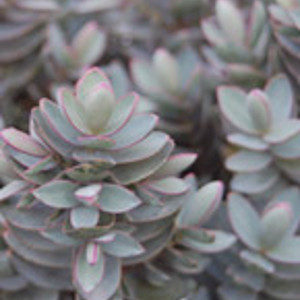
Hebe ‘Red Edge’
€8.50 Select options This product has multiple variants. The options may be chosen on the product page -
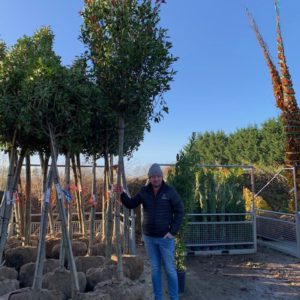
Photinia Red Robin Standards
Price range: €350.00 through €1,050.00 Select options This product has multiple variants. The options may be chosen on the product page -

Cedrus deodara
Price range: €350.00 through €750.00 Select options This product has multiple variants. The options may be chosen on the product page -
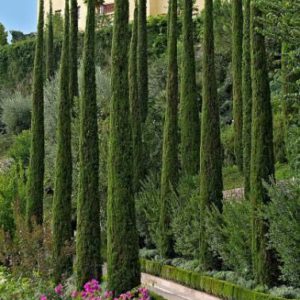
Cupressus sempervirens Pyramidalis / Italian Cypress or Pencil Cypress
Price range: €45.00 through €1,200.00 Select options This product has multiple variants. The options may be chosen on the product page