
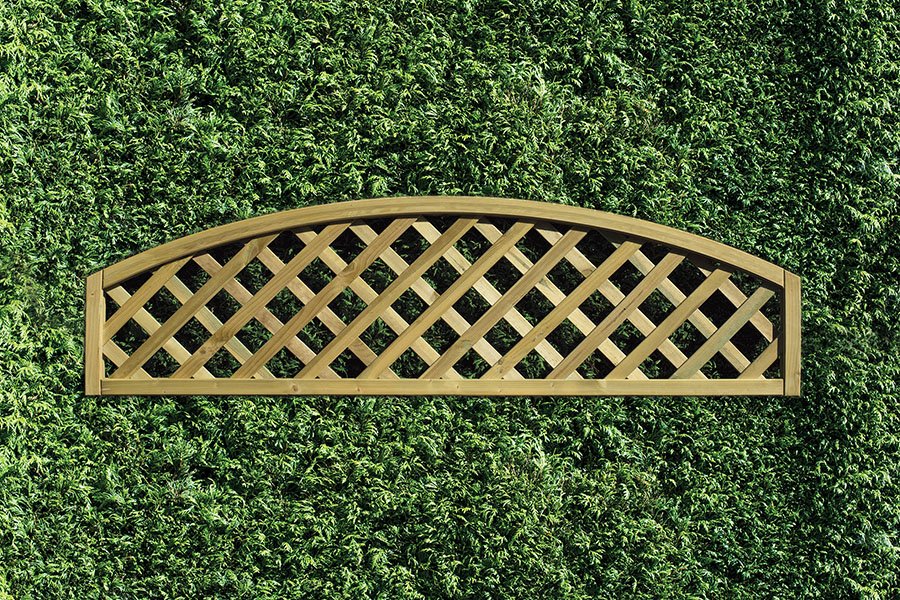
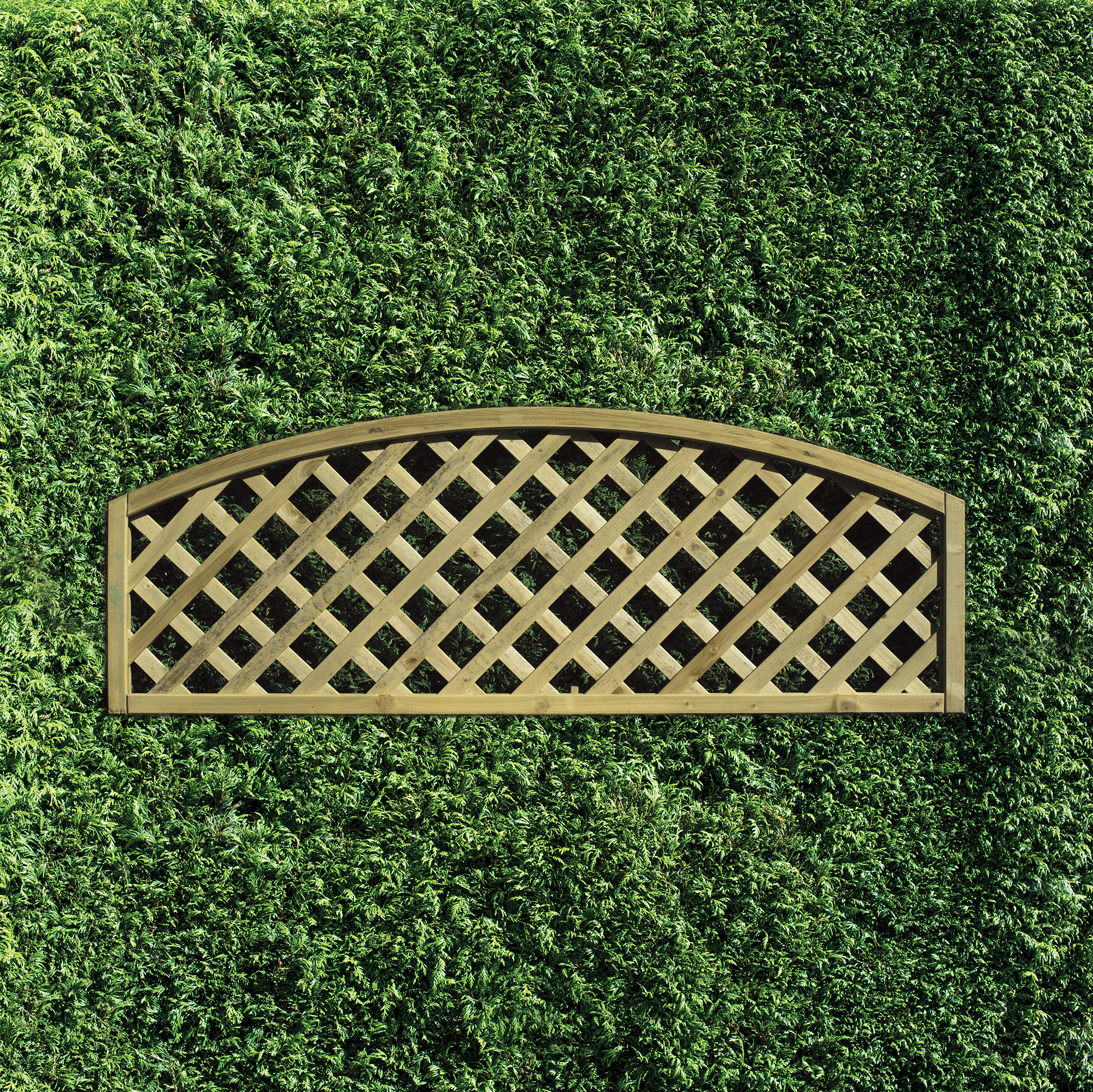
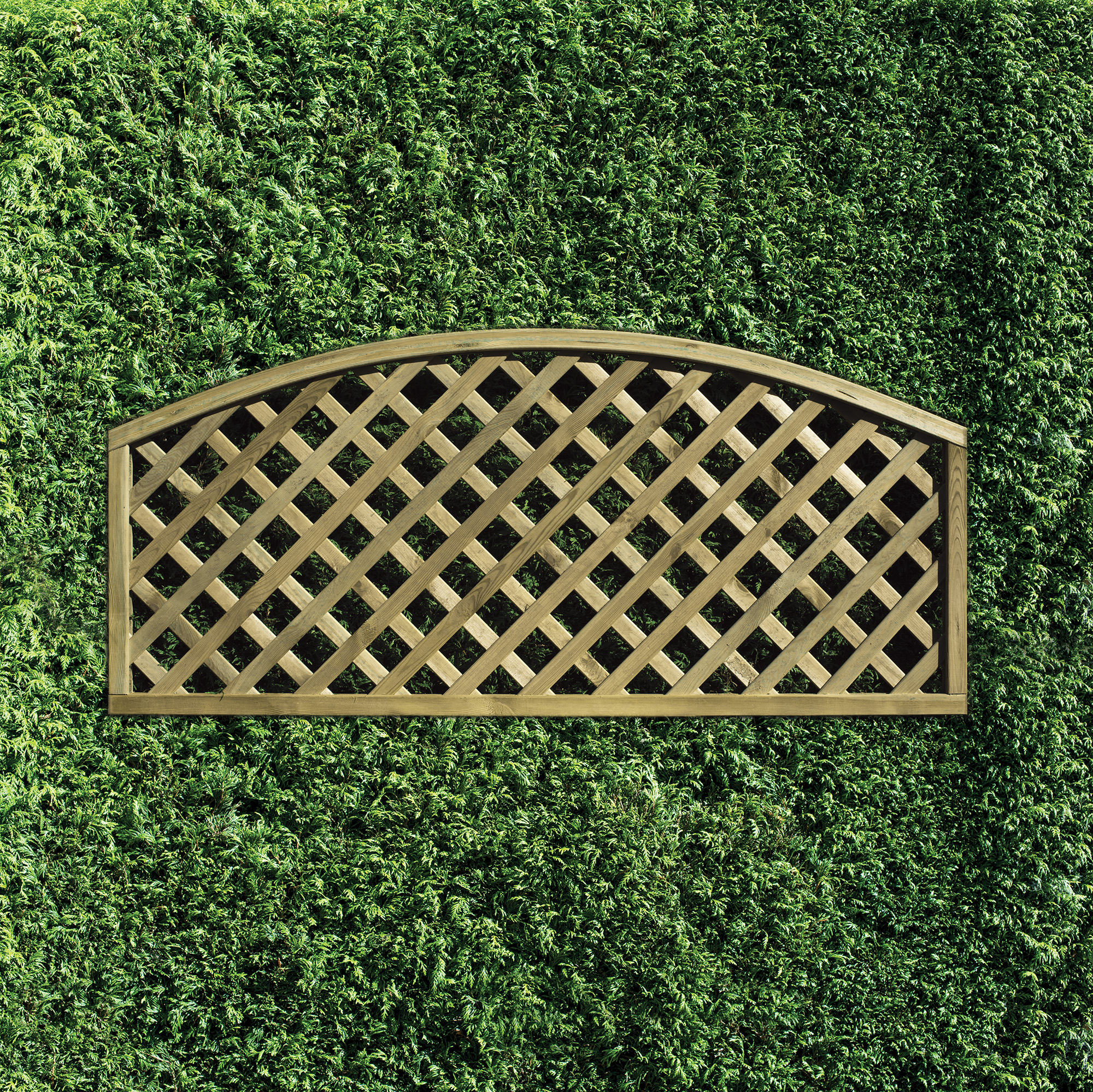
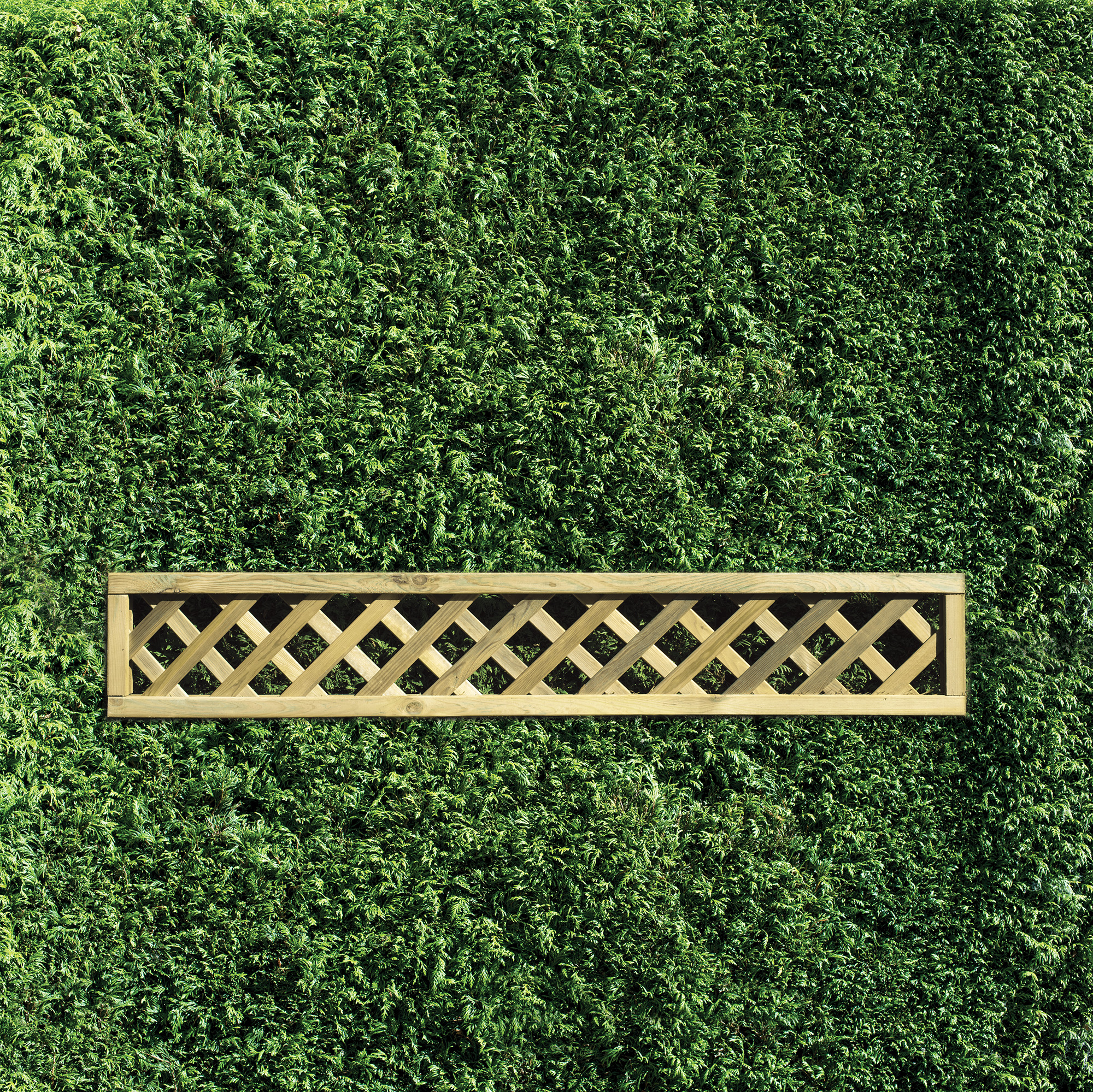
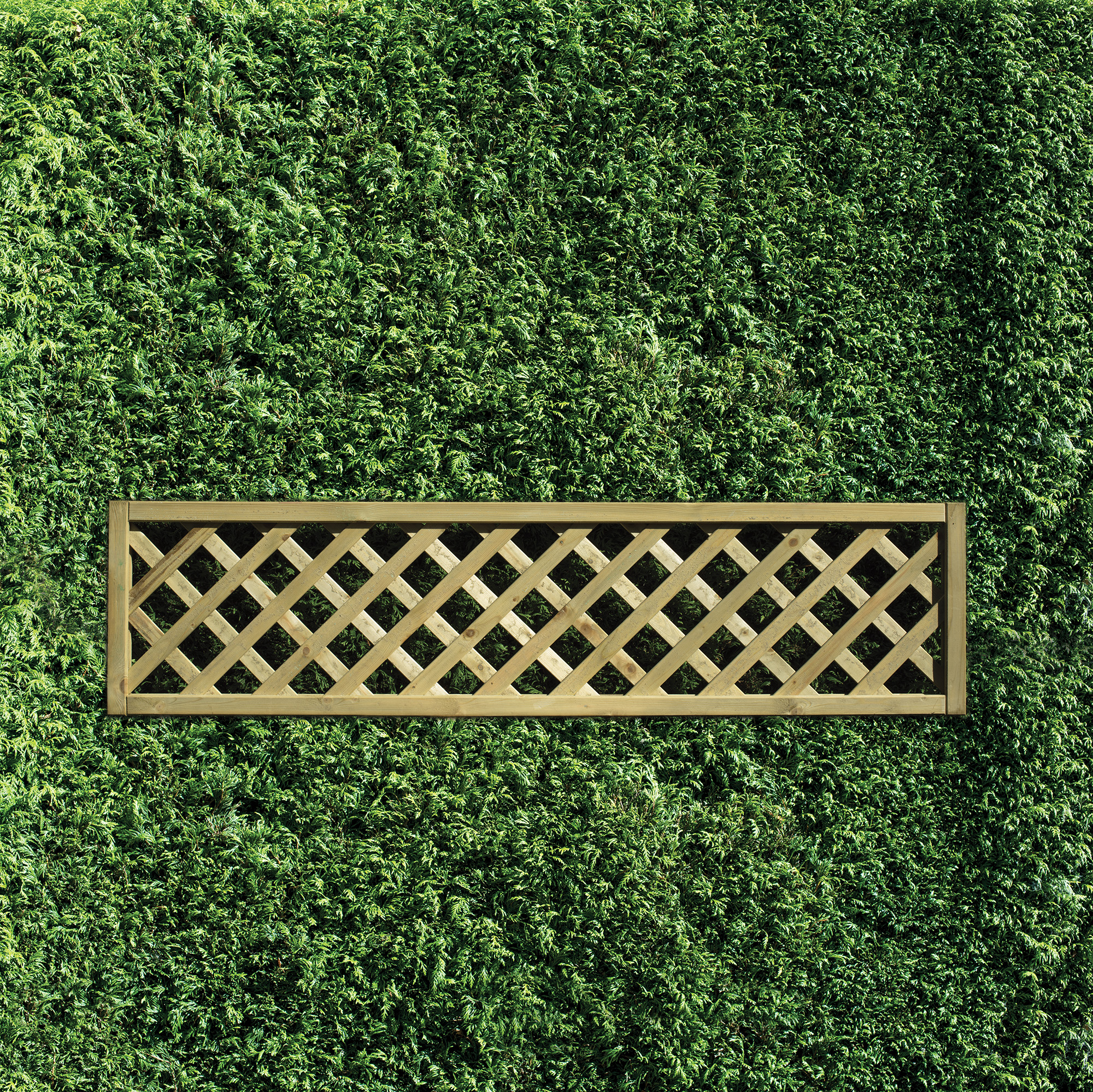
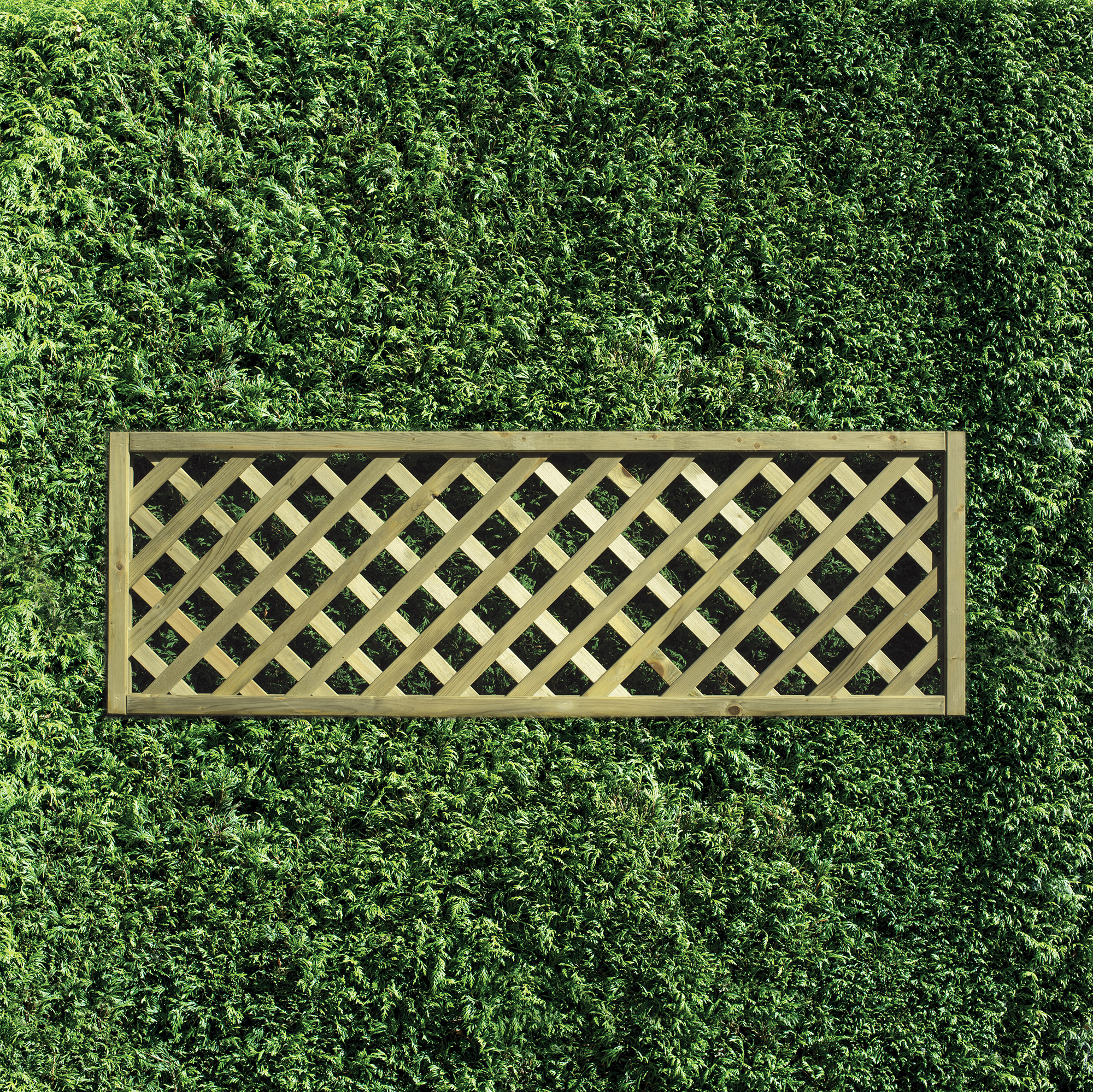
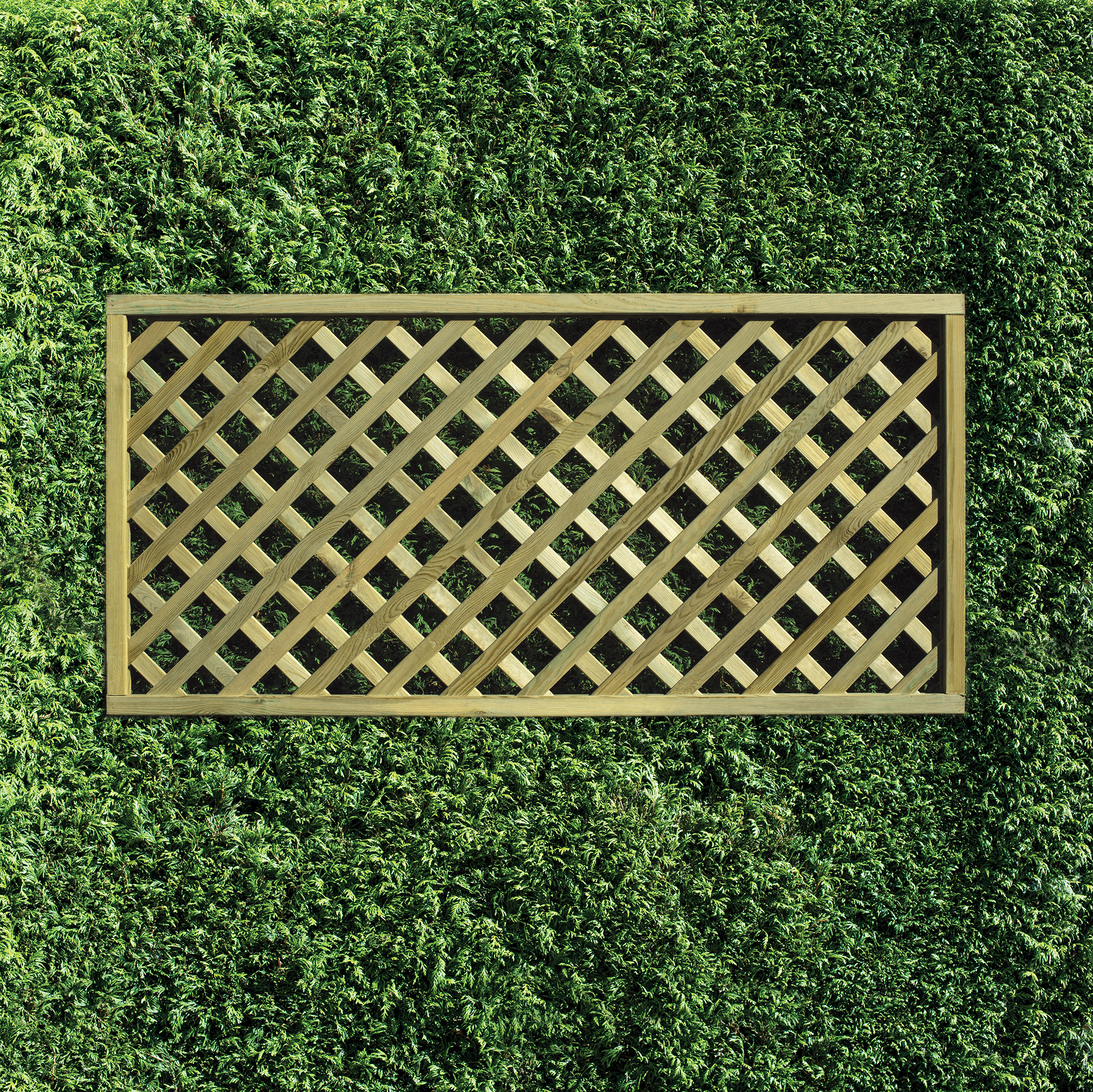
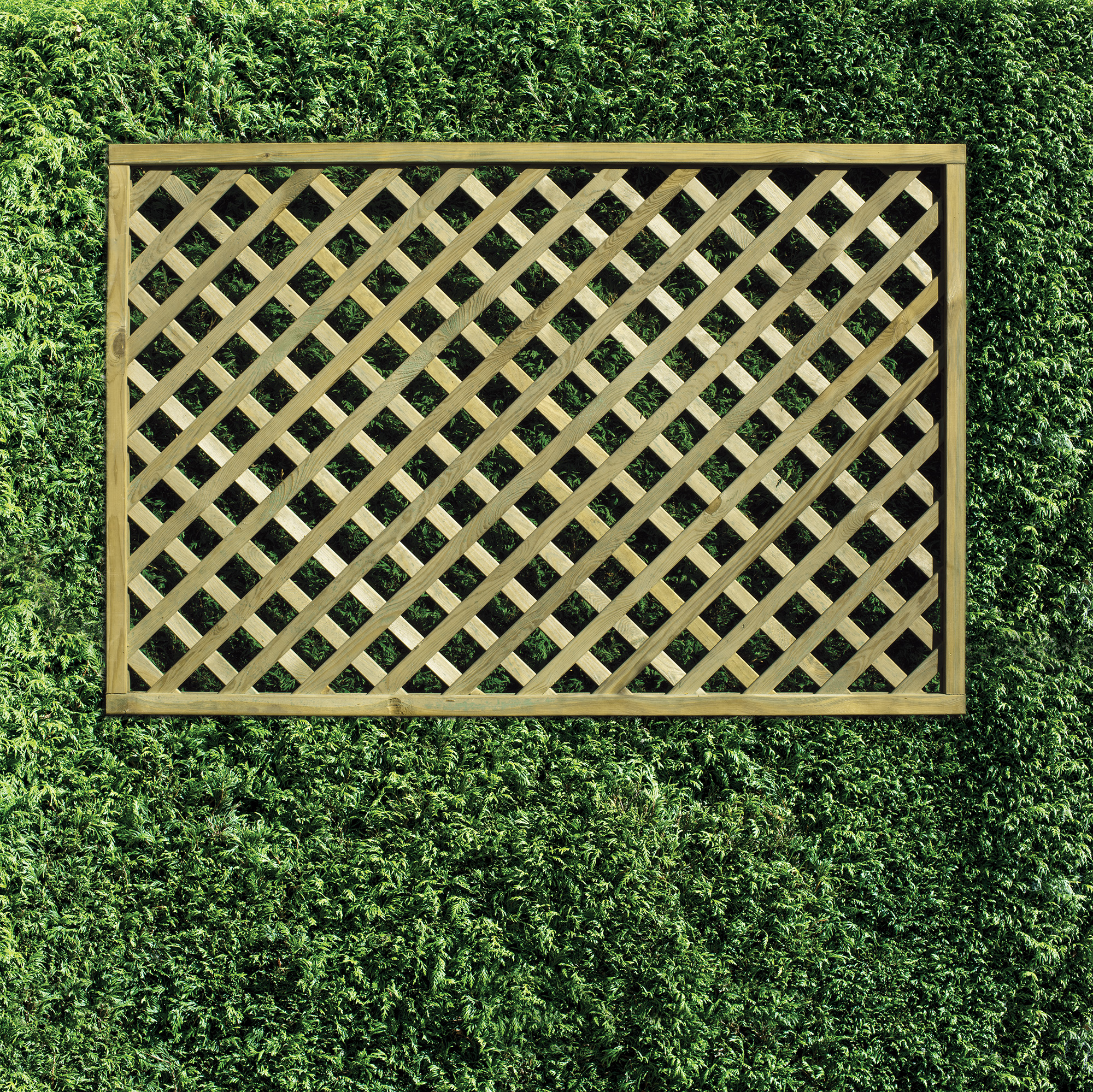
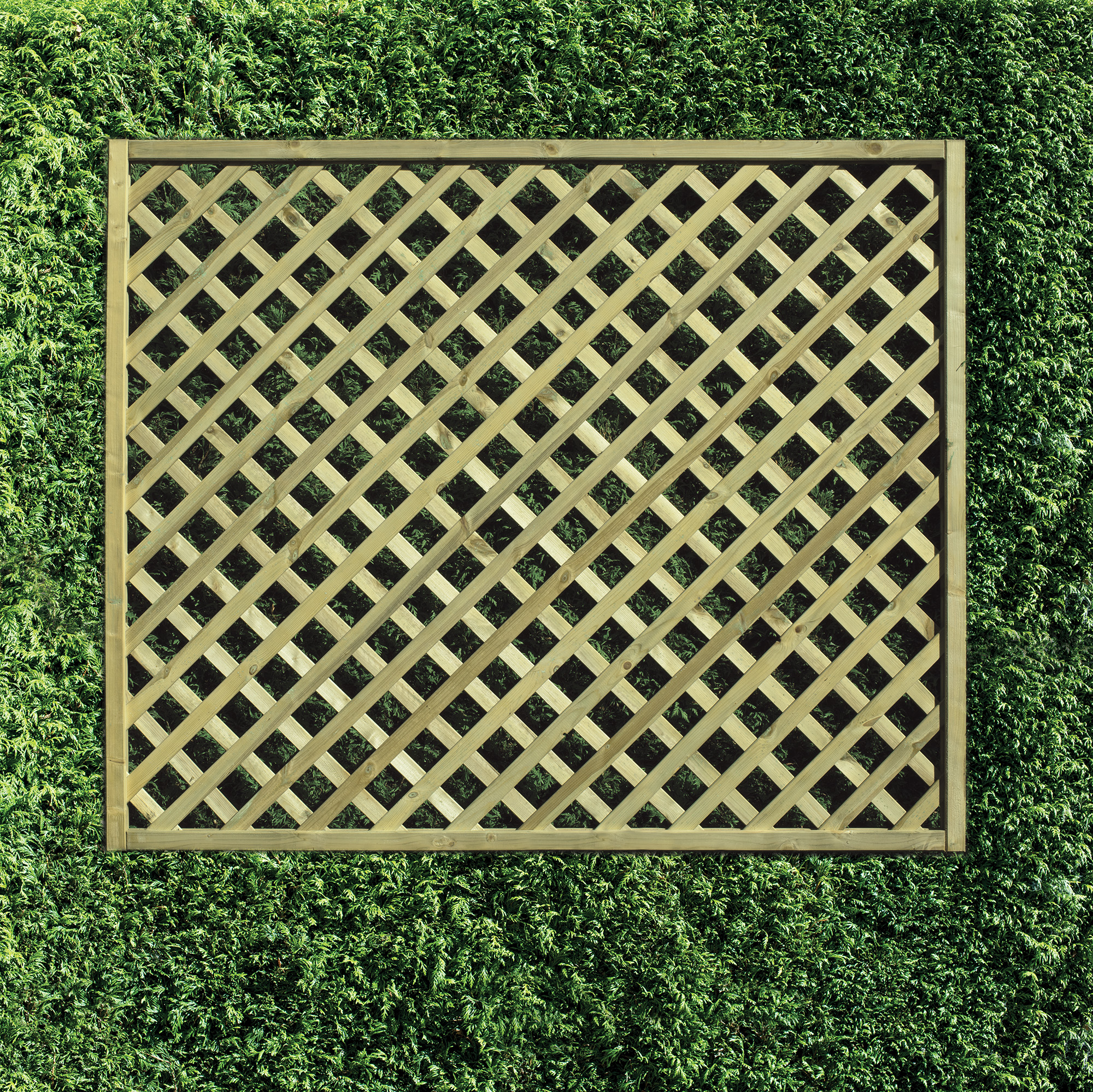
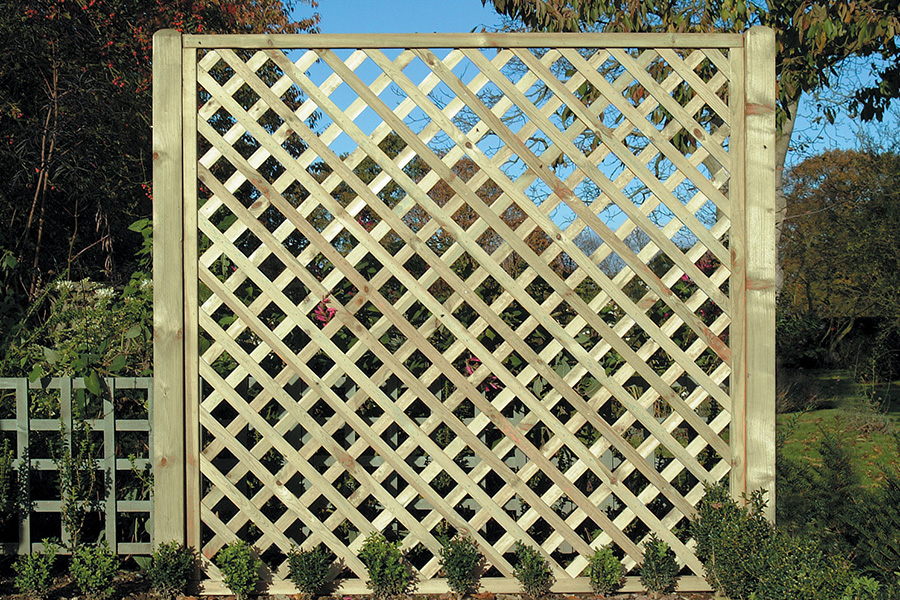
Heavy Diamond Lattice Trellis Panels
Price range: €30.00 through €110.00
Description
Quick Facts
Product Name: Heavy Diamond Lattice Trellis
Material: Pressure-treated timber
Panel Type: Heavy-duty decorative trellis (diamond lattice pattern)
Available Heights: 30cm, 45cm, 60cm, 90cm, 120cm, 150cm, 180cm
Standard Width: 180cm
Lattice Aperture: 70mm diamond openings
Frame: 45mm × 45mm planed timber (heavy-duty construction)
Batten Thickness: Thicker, more robust battens than standard trellis
Finish: Natural pressure-treated timber (can be painted or stained)
Durability: Pressure-treated for long-lasting outdoor use
Fixing: Pre-drilled for easy installation (fixings not included)
Warranty: 12-month warranty on all bespoke timber products
Material: Pressure-treated timber
Panel Type: Heavy-duty decorative trellis (diamond lattice pattern)
Available Heights: 30cm, 45cm, 60cm, 90cm, 120cm, 150cm, 180cm
Standard Width: 180cm
Lattice Aperture: 70mm diamond openings
Frame: 45mm × 45mm planed timber (heavy-duty construction)
Batten Thickness: Thicker, more robust battens than standard trellis
Finish: Natural pressure-treated timber (can be painted or stained)
Durability: Pressure-treated for long-lasting outdoor use
Fixing: Pre-drilled for easy installation (fixings not included)
Warranty: 12-month warranty on all bespoke timber products
Description
The Heavy Diamond Lattice Trellis is built for gardens that need something more substantial. It’s the same elegant diamond pattern you’d expect, but with a heavier frame and thicker battens that give it real presence—this is trellis that feels solid underfoot (or under-hand) and won’t flex or sag when you’re training vigorous climbers or dealing with exposed, windy sites.
The 45mm × 45mm frame is noticeably chunkier than standard trellis, and the battens themselves are thicker throughout. That extra weight means it holds its shape beautifully, supports heavier plants without complaint, and has the kind of longevity you want when you’re investing in garden structure that’s meant to last.
The diamond lattice is still open and airy—70mm apertures let light through and give climbers plenty of room to weave—but the overall effect is more architectural, more finished. It’s trellis that can stand alone as a design feature, not just a support act.
Available in seven heights from 30cm to 180cm, it works across the garden: low panels for decorative borders and raised bed toppers, mid-heights for screening and dividing spaces, tall panels for serious privacy or creating backdrops that won’t buckle under the weight of mature roses, wisteria, or climbing hydrangea.
The pressure-treated timber is ready for outdoor life from day one. Left natural, it weathers to a soft silver-grey that sits quietly behind planting. Painted or stained, it takes colour beautifully and holds it well—the heavier construction means less warping, so finishes last longer.
Caragh Garden Notebook
Choosing the Right Height
-
30cm, 45cm & 60cm: Low borders, raised bed edging, or decorative toppers for retaining walls. Adds structure and detail without blocking sightlines. The heavy construction means even these shorter panels feel substantial and well-made.
-
90cm & 120cm: Mid-height screening, border dividers, or support for medium climbers like compact roses, sweet peas, and perennial climbers. Ideal for creating “garden rooms” or sectioning off different areas while keeping the space feeling open.
-
150cm & 180cm: Tall backdrops, privacy screening, or training vigorous climbers. The heavy-duty frame is particularly valuable at these heights—it won’t sag or twist under the weight of mature plants, and it holds up in exposed or windy positions where standard trellis would struggle.
Installation
Fixing to Existing Fencing:
The heavier construction requires secure fixing. Use galvanised coach screws (minimum 6mm diameter) rather than standard screws, and pre-drill all holes to prevent splitting. Fix to fence posts rather than just panels for maximum stability. Space fixings at 40–60cm intervals along the top and bottom rails.
The heavier construction requires secure fixing. Use galvanised coach screws (minimum 6mm diameter) rather than standard screws, and pre-drill all holes to prevent splitting. Fix to fence posts rather than just panels for maximum stability. Space fixings at 40–60cm intervals along the top and bottom rails.
This is an excellent way to add height and privacy to existing fencing without the solid mass of taller panels—the trellis adds 30–180cm of screening while keeping light and airflow, and the heavy frame means it won’t rattle or flex in the wind.
Freestanding Installation:
Use treated timber posts (minimum 100mm × 100mm for panels 120cm+; 75mm × 75mm acceptable for shorter panels). The heavier trellis needs more robust support than standard lattice.
Use treated timber posts (minimum 100mm × 100mm for panels 120cm+; 75mm × 75mm acceptable for shorter panels). The heavier trellis needs more robust support than standard lattice.
- Dig post holes 60cm deep (90cm for 180cm panels in exposed sites)
- Set posts in concrete or use heavy-duty metal post spikes rated for the weight
- Space posts at 180cm intervals to match panel width
- Allow concrete to cure for 48 hours before fixing panels
- Fix panels to posts with galvanised coach screws, checking level as you go
- For extra rigidity on tall panels, add a horizontal rail between posts at mid-height
Wall-Mounting:
Use 50mm × 25mm treated timber battens to create a 5cm gap between trellis and wall. This is critical for air circulation behind climbers and prevents moisture build-up that leads to rot.
Use 50mm × 25mm treated timber battens to create a 5cm gap between trellis and wall. This is critical for air circulation behind climbers and prevents moisture build-up that leads to rot.
- Fix battens to the wall using appropriate wall plugs and screws for your wall type (masonry, brick, stone)
- Space battens vertically at 60cm intervals
- Attach trellis to battens with galvanised screws, pre-drilling to prevent splitting
- Check the wall can take the weight—heavy trellis plus mature climbers can be substantial, especially when wet
Ground Clearance:
Leave a 5–10cm gap between the bottom of the trellis and soil level. This prevents the timber sitting in damp soil, which accelerates rot even on pressure-treated wood. Use gravel boards or set panels slightly higher when fixing to posts.
Leave a 5–10cm gap between the bottom of the trellis and soil level. This prevents the timber sitting in damp soil, which accelerates rot even on pressure-treated wood. Use gravel boards or set panels slightly higher when fixing to posts.
Finishing & Maintenance
Treating the Timber:
Pressure-treated timber is ready to use immediately, but additional treatment extends life and enhances appearance:
Pressure-treated timber is ready to use immediately, but additional treatment extends life and enhances appearance:
- First 6–12 months: Allow the timber to weather and treatment chemicals to stabilise before applying paint or stain
- Annual treatment: Apply a timber preservative, decking oil, or exterior wood stain once a year (spring is ideal, before climbers are in full growth)
- Painting: Use exterior-grade paint or stain. Lighter colours reflect heat and reduce warping in full sun; darker colours add drama but may fade faster
- Preparation: Clean timber with a stiff brush and allow to dry fully before treating. Remove any algae or moss with a diluted outdoor cleaner
Longevity:
With proper installation and regular treatment, expect many years of solid service from heavy diamond trellis—significantly longer than standard lattice. The thicker timber is more resistant to warping, splitting, and weather damage.
With proper installation and regular treatment, expect many years of solid service from heavy diamond trellis—significantly longer than standard lattice. The thicker timber is more resistant to warping, splitting, and weather damage.
Annual Checks:
- Inspect fixings each spring and tighten any that have loosened (timber expands and contracts seasonally)
- Check for splits or cracks; treat cut ends or damaged areas with preservative
- Clear debris from behind wall-mounted trellis to maintain airflow
- Trim back climbers if they’re pulling the trellis away from fixings
Repairs:
The heavy construction makes repairs easier—individual battens can be replaced if damaged without compromising the whole panel. Keep spare screws and a small tin of matching stain for touch-ups.
The heavy construction makes repairs easier—individual battens can be replaced if damaged without compromising the whole panel. Keep spare screws and a small tin of matching stain for touch-ups.
Planting & Training Climbers
Best Climbers for Heavy Diamond Trellis:
The robust construction makes this trellis ideal for more vigorous or heavier climbers that would overwhelm standard lattice:
- Climbing & Rambling Roses: ‘Albertine’, ‘New Dawn’, ‘Compassion’—the heavy frame supports their weight beautifully
- Wisteria: Needs strong support; heavy trellis can handle mature growth (but still needs annual pruning to keep it in check)
- Climbing Hydrangea (Hydrangea petiolaris): Slow to establish but becomes substantial; needs robust support
- Clematis: All varieties, especially vigorous types like montana or tangutica
- Honeysuckle (Lonicera): Fast-growing and heavy when mature; heavy trellis prevents sagging
- Jasmine: Star jasmine (Trachelospermum) or common jasmine (Jasminum officinale)
- Grape Vines: Ornamental or fruiting varieties; the heavy frame supports the weight of foliage and fruit
Training Tips:
- Tie in young growth with soft garden twine, checking ties don’t cut into stems as plants mature
- Guide stems horizontally as well as vertically for better coverage and more flowers
- With heavy climbers (roses, wisteria), distribute weight evenly across the trellis rather than concentrating growth in one area
- Prune climbers according to type and keep growth in check—even heavy trellis has limits
Design Ideas
Substantial Privacy Screening:
Use 150cm or 180cm panels freestanding or fixed to existing fencing for privacy that feels architectural, not fortress-like. The heavy construction means it won’t rattle in the wind, and mature climbers create a living wall that’s both functional and beautiful.
Use 150cm or 180cm panels freestanding or fixed to existing fencing for privacy that feels architectural, not fortress-like. The heavy construction means it won’t rattle in the wind, and mature climbers create a living wall that’s both functional and beautiful.
Garden Structure in Exposed Sites:
Heavy trellis holds up where standard lattice would flex or fail. Use it in windy gardens, coastal sites, or anywhere you need robust screening that won’t need constant repair.
Heavy trellis holds up where standard lattice would flex or fail. Use it in windy gardens, coastal sites, or anywhere you need robust screening that won’t need constant repair.
Architectural Dividers:
Create “rooms” within the garden using freestanding heavy trellis panels. The substantial frame makes a statement even before planting, and the diamond pattern casts beautiful shadows that change through the day.
Create “rooms” within the garden using freestanding heavy trellis panels. The substantial frame makes a statement even before planting, and the diamond pattern casts beautiful shadows that change through the day.
Supporting Serious Climbers:
If you’re growing wisteria, mature climbing roses, or heavy fruiting vines, this is the trellis you need. It won’t sag, won’t warp, and won’t let you down when plants reach their full weight.
If you’re growing wisteria, mature climbing roses, or heavy fruiting vines, this is the trellis you need. It won’t sag, won’t warp, and won’t let you down when plants reach their full weight.
Decorative Screening with Presence:
Hide bins, compost areas, or utilities with 90–120cm panels. The heavier construction means it looks intentional and well-made, not like an afterthought.
Hide bins, compost areas, or utilities with 90–120cm panels. The heavier construction means it looks intentional and well-made, not like an afterthought.
Backdrop for Narrow Borders:
Mount 150–180cm panels against walls or fences to create vertical planting space in narrow borders. The robust frame supports climbers without needing constant adjustment or repair.
Mount 150–180cm panels against walls or fences to create vertical planting space in narrow borders. The robust frame supports climbers without needing constant adjustment or repair.
Additional information
| Size | 180cm Wide x 120cm High, 180cm Wide x 150 cm High, 180cm Wide x 180cm High, 180cm Wide x 30cm High, 180cm Wide x 30cm High Arch Top, 180cm Wide x 45cm High, 180cm Wide x 45cm High Arch Top, 180cm Wide x 60cm High, 180cm Wide x 60cm High Arch Top, 180cm Wide x 90cm High |
|---|
Related products
-
Double Dustbin Covers
€495.00 Add to cart -
Potting Shed
€1,950.00 Add to cart -
Framed Willow Hurdles
€140.00 Add to cart -
Horizontal Lattice Top Panels
Price range: €85.00 through €110.00 Select options This product has multiple variants. The options may be chosen on the product page