


Erigeron karvinskianus– Mexican Fleabane
€9.50
Frequently Bought Together


Description
Quick Facts
– Botanical Name: Erigeron karvinskianus
– Common Name: Mexican Fleabane / Santa Barbara Daisy
– Plant Type: Hardy perennial (often grown as an evergreen to semi-evergreen)
– Mature Height: 15–30cm
– Mature Spread: 60–90cm — spreads generously
– Flowering Period: Late spring through to late autumn — an exceptionally long season, from May until the first hard frosts
– Flower Colour: Abundant small daisy flowers, white when fresh, fading through soft pink to warm crimson with age — several tones open on the plant at once
– Foliage: Small, finely divided, grey-green leaves
– Habit: Low, spreading, trailing — superb tumbling over walls and steps
– Aspect: Full sun; thrives in light, well-drained conditions
– Soil: Well-drained, poor to moderately fertile; genuinely drought-tolerant once established
– Hardiness: Hardy in Ireland & the UK; may remain evergreen in mild, sheltered positions
– Awards: RHS Award of Garden Merit (AGM)
– Maintenance: Very low
Description
Some plants fill a space; Erigeron karvinskianus softens it. This is the little daisy that turns hard edges into clouds of flowers — a low, spreading perennial covered, from late spring until the first hard frosts, in an abundance of small daisy flowers that open white, fade through soft pink, and age to warm crimson. Because the flowers open in succession, all three tones are present at once, giving the whole plant a shimmering, two-toned quality that seems to change as you look at it.
It is at its finest spilling over walls, steps, and paving — the classic plant for softening stone — but it is equally beautiful weaving through gravel, filling the front of a sunny border, or spilling from a pot. It is genuinely drought-tolerant once established and thrives in poor, well-drained soil, flowering for months with no feeding, no fuss, and very little water.
A low, easy plant with an extraordinarily long season — and one of the most charming ways to bring softness to the hard bones of the garden.
Caragh Garden Notebook
Planting:
Plant in spring or early autumn into well-drained soil in a sunny position. Erigeron karvinskianus is undemanding about soil fertility — it actually flowers best in poor to moderately fertile ground, and good drainage plus full sun are the two conditions it genuinely needs. It thrives in the cracks of walls, between paving stones, and in gravel, where it roots happily and flowers generously. Water in thoroughly after planting and allow it to establish — once settled, it is impressively tough and drought-tolerant.
Watering:
Water consistently through the first growing season while the plant establishes. Once settled, Erigeron karvinskianus is genuinely drought-tolerant and needs little or no supplementary watering in an Irish garden — it thrives in dry, sunny positions where many plants struggle. Avoid overwatering or rich, wet conditions, which cause soft growth and reduce flowering. In containers or wall crevices, an occasional watering through prolonged dry spells keeps the display fresh.
Feeding:
Do not feed — this is one of those rare plants that genuinely performs better for being ignored. Rich or heavily fed soil produces soft, floppy growth at the expense of the low, tight habit and the extraordinary flowering. Poor, well-drained ground gives the best result: a neat, floriferous carpet that flowers for months. If growing in a very hungry position such as a wall crevasse, a light topdress of fine compost in spring is all that is ever needed.
Pruning & Keeping It Tidy:
Erigeron karvinskianus is largely self-managing, but a single mid-to-late summer trim will refresh the plant and encourage a further long flush of flowers. Once the first flush has passed, shear the whole plant lightly over with shears — it regrows rapidly into a neat, fresh mound and flowers on into autumn. In late winter or early spring, cut back any tired or straggly growth to make way for the new season. This light annual attention keeps the plant dense and floriferous for years.
Propagation & Spread:
The plant spreads readily, both by self-seeding and by rooting where stems touch the ground, and it will carpet a surprisingly generous area over time. This is a virtue in the right position — tumbling over a wall, weaving through a gravel path, or filling the gaps between plants in a sunny border — but it is easily controlled simply by pulling out unwanted seedlings or trimming the edges of the spread. Given a foothold in a wall crack, it is almost unkillable.
Pests & Problems:
Genuinely trouble-free. It has no significant pests or diseases, and its dry, sunny preference keeps it clear of the damp-loving problems that affect many perennials. The only failure mode is the opposite of most plants: too much water, too much fertility, or too little sun will make it lanky and less floriferous. Plant it in the poorest, sunniest, driest spot you have — it will thank you for it.
Design Notes:
This is the plant for softening the hard lines of a garden — tumbling over walls, spilling down steps, weaving through gravel, and filling the gaps between paving to create the charming, lived-in look that characterises a mature garden. Use it generously beside steps and along terrace edges, where the long-flowering cloud of daisies cascades over the stone; weave it through a gravel garden alongside lavender, rosemary, and ornamental grasses, where its soft pink and white tones complement the silvers and greys; or plant it at the front of a sunny border, where it spills forward and softens the edge between planting and path. In a pot or wall planter, it becomes a tumbling fountain of flowers for months on end. For a long, easy, endlessly charming display in the sunniest part of the garden, few plants do it better.
Additional information
| Pot Size |
|---|
Related products
-
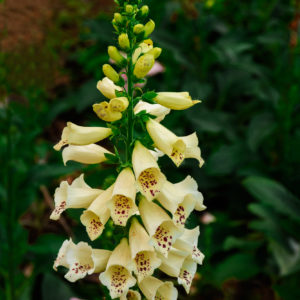
Digitalis Grandiflora / Foxgloves
€8.50 Select options This product has multiple variants. The options may be chosen on the product page -

Achillea Cerise Queen
€8.50 Select options This product has multiple variants. The options may be chosen on the product page -

Wisteria sinensis
€40.00 Select options This product has multiple variants. The options may be chosen on the product page -
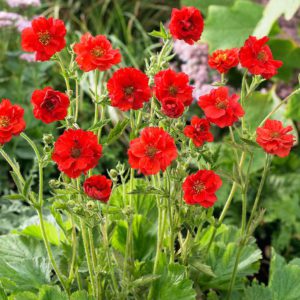
Geum Mrs Bradshaw
€8.50 Select options This product has multiple variants. The options may be chosen on the product page