

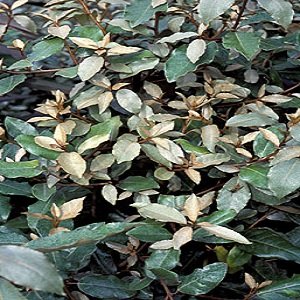
Elaeagnus × ebbingei ‘Compacta’ – Umbrella Form
€350.00
Frequently Bought Together

Description
Quick Facts
Botanical Name: Elaeagnus × ebbingei ‘Compacta’ (Umbrella Form)
Common Name: Ebbing’s Silverberry — trained umbrella standard
Plant Type: Evergreen shrub trained as a standard
Mature Size: 1.5–2.5m overall height (including stem); 1–2m canopy spread (varies with trained form and pruning)
Foliage Colour: Rich glossy green with a distinctive soft silver underside
Flowering: Inconspicuous small flowers in autumn — modestly fragrant
Aspect: Full sun to partial shade
Soil: Free-draining; tolerant of most soil types once established
Hardiness: Very hardy; excellent for coastal and exposed gardens
Maintenance: Low — clip once or twice a year to maintain shape
Description
If you’re looking for that finished garden feeling — the kind that usually takes years to arrive — Elaeagnus ‘Compacta’ in umbrella form is a shortcut worth knowing about. A dense, rounded canopy of rich green leaves with a soft silver shimmer underneath, held on a clear, upright stem: the overall effect is architectural and considered without ever feeling fussy or stiff. It earns its place in every season, looks polished from the day it’s planted, and asks very little once it settles in.
This is a plant that does something very specific and does it exceptionally well — it brings instant structure. Whether flanking an entrance, anchoring a border, or standing in a large pot on a terrace, it creates that sense that the garden has been properly thought about. Wind-tolerant, salt-tolerant, and remarkably unfussy about soil, it’s as well suited to a coastal garden as it is to a sheltered city plot.
Caragh Garden Notebook
Planting:
Plant in spring or autumn into free-draining soil, incorporating a little compost to help establish. Avoid waterlogged ground — good drainage is the one condition this plant genuinely needs. In containers, use a quality loam-based compost with added grit for drainage, and choose a pot with generous proportions to balance the visual weight of the canopy above. Stake if necessary in the first season in exposed positions to keep the stem upright while roots establish.
Watering:
Water well and consistently through the first growing season while roots are finding their feet. Once established in the ground, Elaeagnus is impressively drought-tolerant and rarely needs intervention. Container specimens are a different matter — check moisture levels regularly through spring and summer and water thoroughly when the top few centimetres of compost feel dry. In hot or windy weather, pots can dry out quickly despite the plant’s toughness.
Feeding:
A spring feed with a balanced slow-release fertiliser encourages strong, healthy growth and keeps the canopy dense and well-coloured. In containers, feed monthly through the growing season with a balanced liquid fertiliser. In the ground, an annual mulch of well-rotted compost around the base in spring is usually sufficient once established.
Pruning & Clipping:
Clip once or twice a year to maintain the clean, rounded umbrella shape — once in late spring after any new growth has extended, and again in late summer if needed. Use sharp, clean shears for a crisp finish. Avoid hard pruning into old wood unless renovating a neglected form; light, regular clipping is always preferable to occasional drastic cutting. The canopy responds well to clipping and will thicken and tighten with each trim over time.
Pests & Problems:
Generally very trouble-free and one of the more resilient evergreens available. Scale insects can occasionally appear on stems — treat with a horticultural oil if spotted. In very wet or poorly drained soils, root health can suffer; good drainage at planting is the most reliable preventative measure. Newly planted specimens in exposed positions can suffer wind scorch in a harsh winter — a temporary windbreak or fleece in the first season will help while roots establish.
Design Notes:
Umbrella standards are one of those garden details that make a space feel intentional — like someone has considered the view from every window and every approach. Elaeagnus ‘Compacta’ is particularly well suited to this role because it’s not precious: it’s robust, adaptable, and consistently well-dressed through every month of the year. Use a pair either side of a doorway or gate for instant, balanced symmetry; repeat them along a path or driveway for a calm, rhythmic structure; or use a single specimen as an evergreen anchor in a mixed border among softer, seasonal planting. In large pots on a terrace or courtyard, they offer privacy and presence without the density of a hedge. The silver underside of the foliage catches the light on breezy days and adds a quiet shimmer that photographs and views from indoors rarely do justice to.
Related products
-
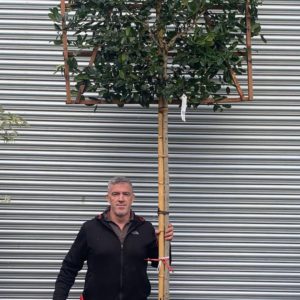
Ilex Nellie Stevens Standard Espalier
€1,150.00 Select options This product has multiple variants. The options may be chosen on the product page -
Osmanthus heterophyllus ‘Purpureus’
€20.00 Select options This product has multiple variants. The options may be chosen on the product page -
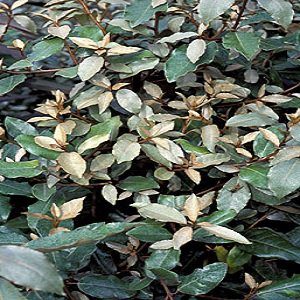
Elaeagnus ebbengei Compacta
Price range: €30.00 through €125.00 Select options This product has multiple variants. The options may be chosen on the product page -

Elaeagnus ebbengei Ball
€360.00 Select options This product has multiple variants. The options may be chosen on the product page