


Digitalis purpurea / Foxgloves
€8.50
Frequently Bought Together


Description
Quick Facts
Botanical Name: Digitalis purpurea
Common Name: Foxglove
Plant Type: Native biennial / short-lived perennial
Mature Height: Tall spikes, usually 90–150cm
Mature Spread: 30–60cm
Flowering Period: June and July
Flower Colour: Deep pink or purple, maroon-spotted inside
Foliage Colour: Green
Hardiness: Hardy
Soil Requirements: Moist, well-drained soil
Aspect: Part shade to shade, though it will also cope in sun if soil stays moist
Maintenance: Low
Description
Digitalis purpurea, better known as the foxglove, sends up tall, elegant spires of deep-pink or purple tubular flowers, each one beautifully maroon-spotted within. Flowering in June and July, it brings a wonderful vertical accent to the garden and has a naturally relaxed, cottage-garden feel.
A native wildflower, foxgloves are a real magnet for bees and other beneficial pollinating insects, making them a lovely choice for a wildlife garden or woodland-style planting scheme. They bring colour, height and a touch of old-fashioned charm wherever they’re planted.
Caragh Garden Notebook
Planting:
Plant in spring or autumn in moist, well-drained soil. Foxgloves do especially well in part shade, where they can settle in and self-seed naturally if conditions suit.
Watering:
Water well after planting and keep the soil evenly moist while they establish, particularly in warmer weather.
Feeding:
A light mulch of compost in spring is usually enough to keep them happy.
Seasonal Care & Tidy-Up:
Allow some flowers to go to seed if you’d like them to return in future years. Remove spent spikes if you want to keep the plant looking tidier.
Pests & Problems:
Generally trouble-free and excellent for attracting pollinators.
Design Notes:
Perfect for woodland gardens, wildlife borders and cottage-style planting. Foxgloves look beautiful alongside ferns, aquilegia, digitalis companions, hardy geraniums and other soft, naturalistic planting.
Additional information
| Pot Size |
|---|
Related products
-
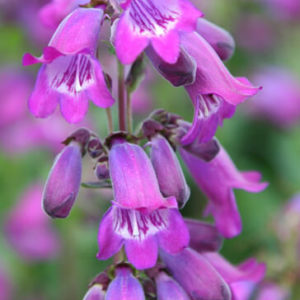
Penstemon Sour Grapes
€8.50 Select options This product has multiple variants. The options may be chosen on the product page -
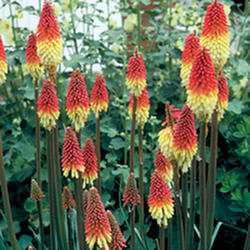
Kniphofia Flamenco
€8.50 Select options This product has multiple variants. The options may be chosen on the product page -
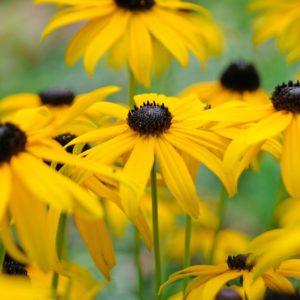
Rudbeckia Goldsturm
€8.50 Select options This product has multiple variants. The options may be chosen on the product page -

Lupinus Gallery White
€8.50 Select options This product has multiple variants. The options may be chosen on the product page