

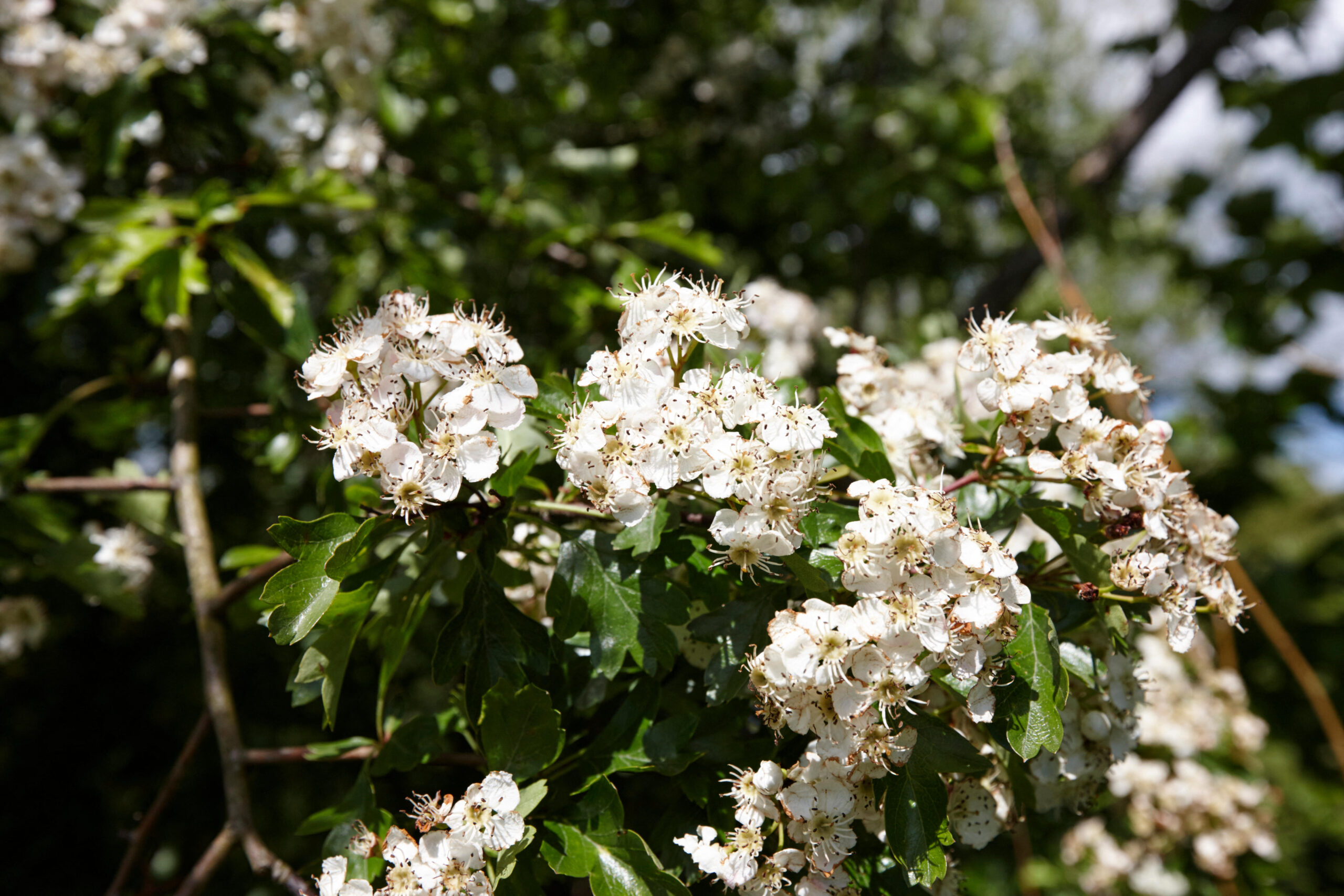
Crataegus monogyna / Common Hawthorn
€350.00
Frequently Bought Together

Description
Quick Facts
- Botanical Name: Crataegus monogyna
- Common Name: Hawthorn (Whitethorn)
- Plant Type: Deciduous native tree
- Mature Size: Typically 6–10m tall x 4–8m wide (can be kept smaller with pruning)
- Growth Rate: Moderate
- Foliage: Fresh green, deeply lobed leaves; yellow tones in autumn
- Flowers: Masses of white blossom in late spring
- Fruit: Red haws in autumn (loved by birds)
- Sun / Aspect: Full sun to partial shade
- Soil: Very tolerant — thrives in most soils, including poorer ground, as long as it’s not waterlogged
- Hardiness: Extremely hardy across Ireland & the UK
- Best For: Native planting, wildlife gardens, hedgerows, shelter belts, boundary trees, natural screening
Description
If you want a tree that feels truly at home in the Irish and British landscape, Crataegus monogyna (Hawthorn) is a classic for good reason. It’s one of our most beloved native trees — tough, adaptable, and quietly beautiful through the seasons.
In late spring it’s covered in clouds of white blossom, bringing that fresh, bright lift that makes the whole garden feel awake again. As summer settles in, it forms a dense canopy of green, and by autumn it’s dotted with red haws — a simple, traditional look that also happens to be a feast for wildlife.
Hawthorn is also wonderfully practical: it’s resilient in wind, tolerant of a wide range of soils, and responds well to pruning, so you can shape it to suit your space — whether you’re planting one as a standalone tree or using it as part of a native boundary.
Caragh Garden Notebook
- Planting: Plant as you would any young tree — a wide hole, good firming-in, and a stake/tie if exposed. Add organic matter to help it settle quickly.
- Watering: Water regularly in the first growing season; once established it’s very self-sufficient.
- Feeding: A spring mulch is plenty. Hawthorn doesn’t need heavy feeding to perform well.
- Pruning: Prune in winter to shape or to maintain size. It can be managed as a tree or clipped/laid as part of a hedge.
- Positioning & Design: Ideal for naturalistic planting, mixed native hedges, or as a boundary tree. Pairs beautifully with blackthorn, hazel, holly, field maple, and dog rose for a proper wildlife corridor.
Why we love it
- A hardy native that thrives with minimal fuss
- Beautiful spring blossom and autumn berries
- Brilliant for wildlife (pollinators and birds especially)
- Great for boundaries and shelter — practical and pretty
Related products
-
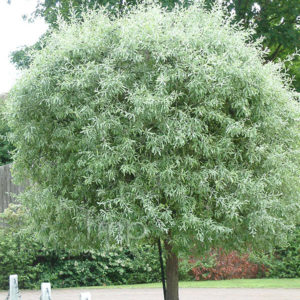
Pyrus salicifolia Pendula / Weeping Silver Pear
Price range: €380.00 through €600.00 Select options This product has multiple variants. The options may be chosen on the product page -
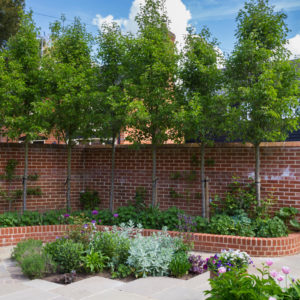
Pyrus Chanticleer
Price range: €500.00 through €600.00 Select options This product has multiple variants. The options may be chosen on the product page -
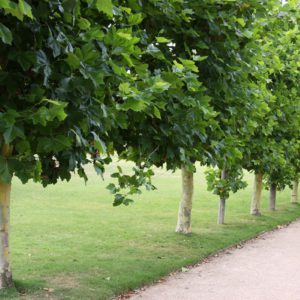
Platanus acerifolia / London Plane Tree
Price range: €320.00 through €700.00 Select options This product has multiple variants. The options may be chosen on the product page -
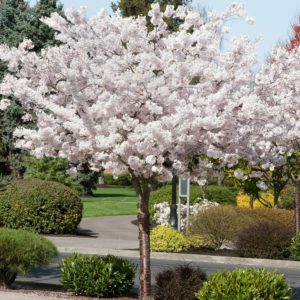
Prunus Shirotae
Price range: €600.00 through €750.00 Select options This product has multiple variants. The options may be chosen on the product page