
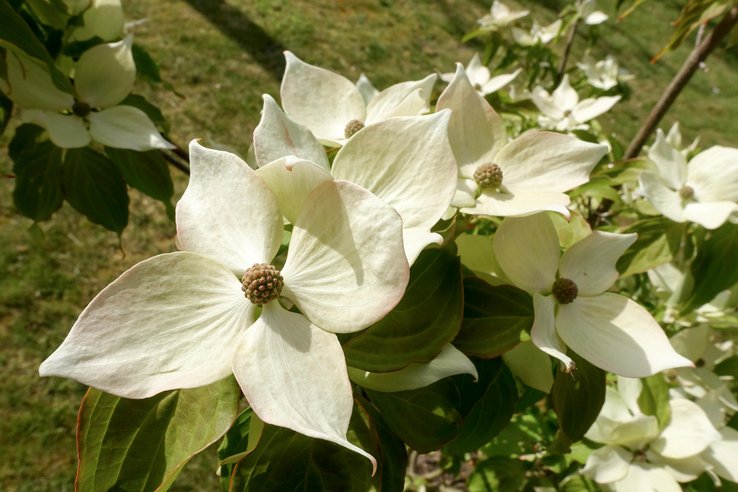
Cornus kousa Teutonia
Price range: €65.00 through €195.00
Description
Botanical Name: Cornus kousa ‘Teutonia’
Common Name: Kousa Dogwood ‘Teutonia’
Plant Type: Deciduous flowering tree (small tree / large shrub)
Position: Full sun to partial shade (sheltered is best)
Soil: Moist, well-drained, fertile soil; slightly acidic to neutral
Ultimate Height/Spread: Approx. 4–6m x 3–5m (slow to moderate)
Growth Rate: Slow to moderate
Foliage: Mid-green leaves, turning rich red-purple in autumn
Flowering: Creamy-white bracts in early summer
Hardiness: Hardy in Ireland & the UK
Common Name: Kousa Dogwood ‘Teutonia’
Plant Type: Deciduous flowering tree (small tree / large shrub)
Position: Full sun to partial shade (sheltered is best)
Soil: Moist, well-drained, fertile soil; slightly acidic to neutral
Ultimate Height/Spread: Approx. 4–6m x 3–5m (slow to moderate)
Growth Rate: Slow to moderate
Foliage: Mid-green leaves, turning rich red-purple in autumn
Flowering: Creamy-white bracts in early summer
Hardiness: Hardy in Ireland & the UK
A refined dogwood with a long season of interest
Cornus kousa ‘Teutonia’ is one of those quietly impressive trees that brings beauty in layers. In early summer it’s covered in creamy-white bracts that sit like little stars above the foliage, giving a soft, luminous look without ever feeling over the top.
Through summer it stays fresh and elegant, and then in autumn the leaves deepen into rich reds and purples — a proper finale before the bare branches show off the tree’s lovely structure in winter. It’s a brilliant choice for a feature position in a smaller garden, courtyard, or as a focal point in a mixed border.
Where it thrives best
Like other kousa dogwoods, ‘Teutonia’ prefers soil that holds moisture but drains freely. A sheltered spot will protect the flowers and keep the foliage looking pristine. It’s happiest away from very dry ground and exposed, windy positions.
Styling ideas
- Beautiful with woodland-style planting: ferns, hydrangeas, hostas, astrantias and spring bulbs
- Looks stunning against evergreen backdrops (yew, ilex, clipped forms)
- Works well in contemporary schemes with grasses and simple groundcover
Caragh Garden Notebook
- Watering: Water well while establishing, especially in dry spells (first 1–2 years).
- Mulch: Mulch annually to keep roots cool and conserve moisture.
- Pruning: Minimal pruning needed — remove dead or crossing branches in late winter/early spring.
- Top tip: If you can, avoid hot, baking afternoon sun in very dry gardens — a little shelter makes all the difference.
Additional information
| Variation | 10L, 32L 150-175cm |
|---|
Related products
-
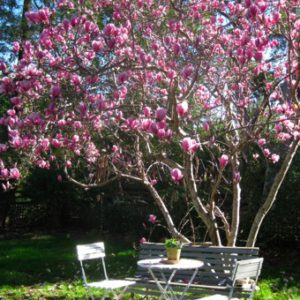
Magnolia Galaxy specimen multistem
€400.00 Select options This product has multiple variants. The options may be chosen on the product page -
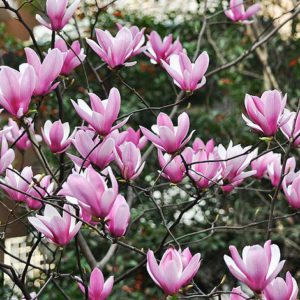
Magnolia Heaven Scent
Price range: €35.00 through €95.00 Select options This product has multiple variants. The options may be chosen on the product page -

Buxus sempervirens / Box Cuboids
Price range: €150.00 through €275.00 Select options This product has multiple variants. The options may be chosen on the product page -
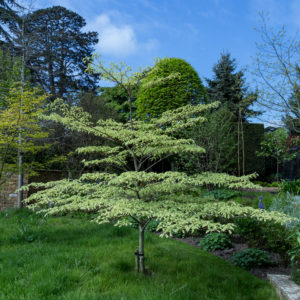
Cornus controversa Variegata / Wedding Cake Tree
Price range: €350.00 through €1,350.00 Select options This product has multiple variants. The options may be chosen on the product page