


Cedrus deodara Pendula
Price range: €175.00 through €700.00
Frequently Bought Together


Description
This is not a tree that blends in. Cedrus deodara ‘Pendula’ is all drama and elegance — a sculptural evergreen with long, flowing branches that drape and tumble in the most beautiful, architectural way.
It brings that rare combination of year-round presence and soft movement: the needles catch the light, the silhouette changes as it grows, and it instantly gives a garden a more designed, collected feel. If you’re looking for a statement plant that feels timeless (not trendy), this is a brilliant choice.
Perfect for
- A standout focal point in a lawn or gravel garden
- Contemporary gardens needing strong structure
- Japanese-inspired or woodland-style planting
- Slopes or raised beds where the weeping form can really shine
Quick Facts
- Botanical name: Cedrus deodara ‘Pendula’
- Common name: Weeping Deodar Cedar
- Plant type: Evergreen conifer / specimen tree
- Foliage: Soft, needle-like foliage (often blue-green)
- Best position: Full sun to light shade
- Soil: Free-draining; dislikes waterlogging
- Hardiness: Hardy; best in a sheltered spot away from harsh winds
- Growth habit: Strongly weeping, architectural; can be trained/staked when young
Caragh Garden Notebook (our best tips)
- Give it space to be itself. This is a feature tree — allow room around it so the shape can be appreciated from a distance.
- Drainage matters. If your soil holds water, improve drainage before planting (grit, organic matter, raised planting).
- Training tip: Young plants are often staked or trained to create height and form. If you want a taller, more upright feature, keep a leader tied in; if you want a lower, cascading shape, let it drape naturally.
- Low maintenance, high impact. Minimal pruning — just remove any damaged or awkward branches if needed.
- Mulch and water in well for year one. Especially important during dry spells while it establishes.
Additional information
| Pot Size | 200-250cm Rootballed, 300-350cm Rootballed, 350-400cm Rootballed, 600L 40-50cm girth, 6m tall, 70L 200-250cm, 180L 20-25cm girth 1/2 standard, 30L half standard |
|---|
Related products
-

Camellia japonica Rosso – 1/2 Standard
€550.00 Select options This product has multiple variants. The options may be chosen on the product page -

Ilex Nellie Stevens – 1/2 Standards
Price range: €235.00 through €620.00 Select options This product has multiple variants. The options may be chosen on the product page -
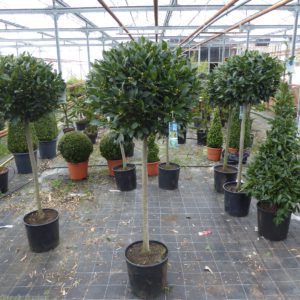
Laurus nobilis / Bay Laurel 1/2 Standard
€300.00 Select options This product has multiple variants. The options may be chosen on the product page -
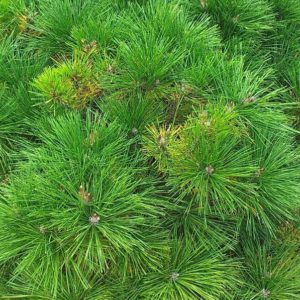
Pinus nigra Brepo Half Standard
€180.00 Select options This product has multiple variants. The options may be chosen on the product page