

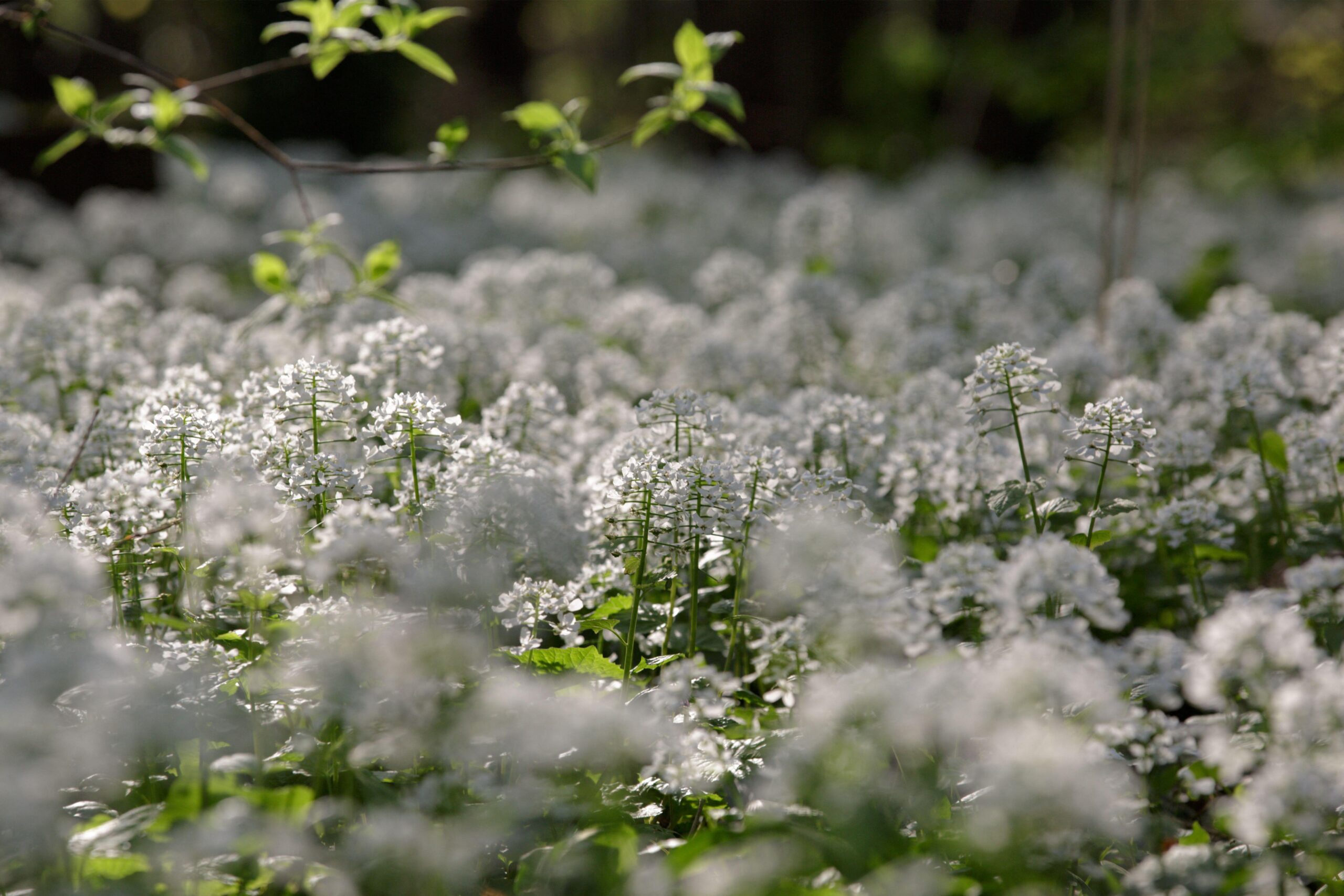
Arabis alpina ‘Snow Cap’
€9.50
Frequently Bought Together

Description
Quick Facts
Botanical Name: Arabis alpina ‘Snow Cap’ (syn. Arabis caucasica ‘Snowcap’)
Common Name: Alpine Rock Cress
Plant Type: Evergreen perennial / ground cover
Mature Height: 10–20cm
Mature Spread: 30–50cm
Flowering Period: Spring (March–May)
Flower Colour: Pure white
Foliage Colour: Soft grey-green, lightly textured
Hardiness: Very hardy in Ireland & the UK
Soil Requirements: Well-drained, poor to average soil — tolerates dry and rocky conditions
Aspect: Full sun to part shade
Maintenance: Low
Description
Arabis alpina ‘Snow Cap’ is a dependable little plant that delivers a surprisingly bold display for its size. In spring it smothers itself in pure white flowers — a dense, low carpet of blossom that’s one of the earliest shows of the season. The soft grey-green foliage stays evergreen through winter, giving it quiet year-round presence, and it holds its compact shape without much intervention. It’s naturally at home in rock gardens and walls, but it’s equally useful at the front of a sunny border or spilling over the edge of a raised bed. Simple, unfussy, and genuinely reliable.
Caragh Garden Notebook
Planting:
Plant in spring or autumn into sharply drained soil. It thrives in lean conditions and really doesn’t need rich soil — if anything, too much fertility makes it soft and floppy. Tuck it into gaps in walls, between paving, or at the front of a well-drained border where it can spread freely.
Watering:
Minimal once established. Water in during the first few weeks to get roots settled, then leave it to manage. It’s well suited to dry, sunny spots and will cope with periods of drought without complaint.
Feeding:
Not required. Arabis performs best in poorer soils — avoid feeding, which can encourage soft, leggy growth at the expense of flowers.
Seasonal Care & Tidy-Up:
After flowering in late spring, trim plants back by about a third to keep them compact and tidy. This also encourages fresh foliage and prevents the plant from becoming straggly. Left untrimmed it can open up in the centre and lose its neat, mounded shape over time.
Division (to keep plants vigorous):
Divide every 2–3 years in early autumn or after flowering to maintain vigour. Plants are easy to split and replant, or cuttings can be taken in early summer and rooted in a free-draining compost mix.
Pests & Problems:
Generally trouble-free. Good drainage is the main requirement — plants in waterlogged or heavy soil over winter can die back or rot at the crown. In very humid conditions, occasional mildew can appear on foliage but rarely causes lasting damage.
Design Notes:
A classic rock garden and alpine trough plant, but also brilliant cascading over low walls, edging sunny pathways, or softening the front of a gravel border. Pairs well with aubrieta, alyssum, and sedum for a colourful spring tapestry. The white flowers work particularly well alongside blues and purples, and the grey-green foliage provides a calm, neutral backdrop through the rest of the growing season.
Related products
-
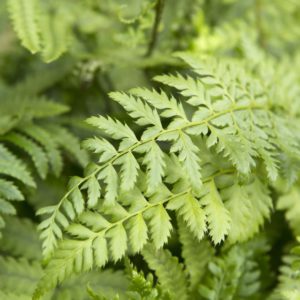
Polystichum polyblepharum – Tassel Fern
€8.50 Select options This product has multiple variants. The options may be chosen on the product page -
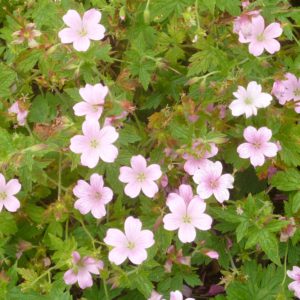
Geranium Wargrave Pink
€8.50 Select options This product has multiple variants. The options may be chosen on the product page -

Phormium Pink Stripe
Price range: €20.00 through €45.00 Select options This product has multiple variants. The options may be chosen on the product page -
Physocarpus opulifolius Red Baron
Price range: €20.00 through €35.00 Select options This product has multiple variants. The options may be chosen on the product page