


Anemone Honorine Jobert
€8.50
Frequently Bought Together



Description
Quick Facts
Botanical Name: Anemone ‘Honorine Jobert’
Common Name: Japanese Anemone
Plant Type: Herbaceous perennial
Mature Height: Tall, wiry stems
Mature Spread: Forms an attractive clump
Flowering Period: Late summer to autumn
Flower Colour: Pure white with bright yellow stamens
Foliage Colour: Dark green
Hardiness: Hardy perennial
Soil Requirements: Moist, well-drained soil
Aspect: Partial shade, though it will also cope in sun if conditions suit
Maintenance: Low to moderate
Description
Anemone ‘Honorine Jobert’ is a graceful late-season perennial, producing elegant single white flowers with a bright yellow centre atop tall, wiry stems. Rising above a handsome clump of dark green foliage, it brings height, movement and a lovely sense of softness to the border.
A real standout in partial shade, where it is happiest, this Japanese anemone is a wonderful choice for adding calm and beauty to the late summer and autumn garden. Its satiny flowers sway beautifully in the breeze, bringing a gentle, peaceful feel to planting schemes, while its later emergence in spring also makes it ideal for covering the fading foliage of spring bulbs.
Caragh Garden Notebook
Planting:
Plant in spring or autumn in moist, well-prepared soil. It will settle in best where it has room to form a strong clump and where the soil stays reliably fertile.
Watering:
Water well after planting and keep the soil evenly moist while it establishes. It will perform best with consistent moisture, especially in warmer weather.
Feeding:
A spring mulch of compost or well-rotted organic matter will help support healthy growth and good flowering.
Seasonal Care & Tidy-Up:
Cut back old stems and foliage in late autumn or early spring once the plant has finished flowering and the display has faded.
Pests & Problems:
Generally a reliable perennial, though it appreciates shelter and moisture to perform at its best.
Design Notes:
Beautiful in partial shade borders, cottage gardens and naturalistic planting schemes. It works especially well with ferns, grasses, asters, sedums and late-flowering perennials, and makes a lovely companion for spring bulbs as they die back.
Related products
-
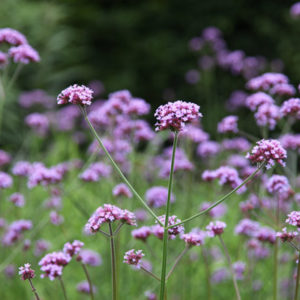
Verbena bonariensis
€8.50 Select options This product has multiple variants. The options may be chosen on the product page -
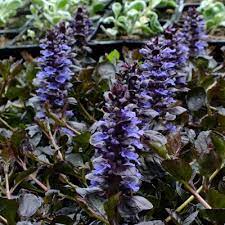
Ajuga Black Scallop
€8.50 Select options This product has multiple variants. The options may be chosen on the product page -
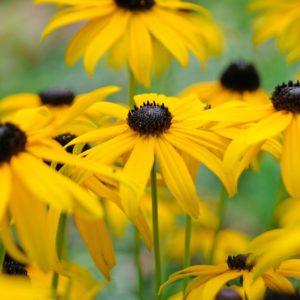
Rudbeckia Goldsturm
€8.50 Select options This product has multiple variants. The options may be chosen on the product page -
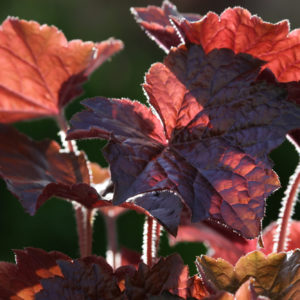
Heuchera Palace Purple
€10.50 Select options This product has multiple variants. The options may be chosen on the product page