
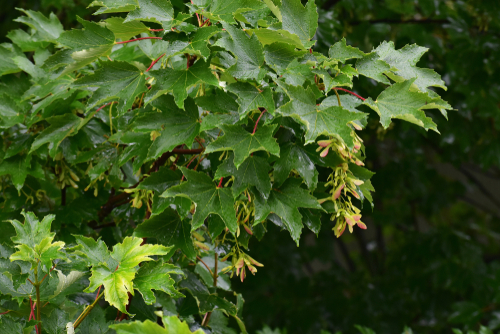
Acer pseudoplatanus / Sycamore
€250.00
Frequently Bought Together

Description
Quick Facts
- Botanical Name: Acer pseudoplatanus
- Common Name: Sycamore
- Plant Type: Large deciduous tree
- Mature Height: 20–30m+ (smaller in gardens with space/management)
- Mature Spread: 15–20m+
- Flowering Period: Spring (April–May)
- Flower Colour: Yellow-green (in hanging clusters)
- Foliage Colour: Fresh green, maple-like leaves; often clear yellow in autumn
- Hardiness: Very hardy in Ireland & the UK
- Soil Requirements: Moist, well-drained soil; very adaptable (tolerates heavier soils)
- Aspect: Sun or part shade
- Maintenance: Low once established (allow space; prune if needed)
Description
Acer pseudoplatanus, the Sycamore, is a big-hearted, resilient tree with broad, maple-like leaves and a generous canopy that brings instant “parkland” feel to a landscape. It’s valued for its toughness — coping with wind, coastal exposure, and a wide range of soils — while still offering soft spring flower clusters and rich summer shade. Given room, it becomes a magnificent, long-lived feature tree with real presence.
Caragh Garden Notebook
Planting:
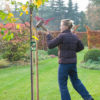
Plant in autumn or spring. Choose a position with plenty of space away from buildings, drains, and overhead lines — sycamores are substantial trees. Dig a wide hole, loosen the surrounding soil, and mix in organic matter to help with establishment. Plant at the same depth as in the pot, firm in well, stake if exposed, and water thoroughly.
Plant in autumn or spring. Choose a position with plenty of space away from buildings, drains, and overhead lines — sycamores are substantial trees. Dig a wide hole, loosen the surrounding soil, and mix in organic matter to help with establishment. Plant at the same depth as in the pot, firm in well, stake if exposed, and water thoroughly.
Watering:
Water regularly through the first growing season, especially in dry spells. Once established, sycamore is generally self-sufficient, but young trees benefit from deep watering during prolonged dry weather.
Water regularly through the first growing season, especially in dry spells. Once established, sycamore is generally self-sufficient, but young trees benefit from deep watering during prolonged dry weather.
Feeding:
Usually not needed in the ground beyond a spring mulch of compost or well-rotted manure. On poorer soils, a balanced feed in spring can help young trees put on steady growth.
Usually not needed in the ground beyond a spring mulch of compost or well-rotted manure. On poorer soils, a balanced feed in spring can help young trees put on steady growth.
Seasonal Care & Tidy-Up:
Mulch annually for the first few years to retain moisture and suppress weeds (keep mulch away from the trunk). Keep the base clear of grass competition while the tree is establishing.
Mulch annually for the first few years to retain moisture and suppress weeds (keep mulch away from the trunk). Keep the base clear of grass competition while the tree is establishing.
Pruning:
Minimal pruning is best. Remove dead, damaged, or crossing branches in late summer or winter (avoid heavy pruning in spring when sap rises). If shaping is needed, do it gradually over a few years.
Minimal pruning is best. Remove dead, damaged, or crossing branches in late summer or winter (avoid heavy pruning in spring when sap rises). If shaping is needed, do it gradually over a few years.
Pests & Problems:
Generally robust. In some areas, leaves can show tar spot or powdery mildew — usually cosmetic rather than harmful. Aphids can cause sticky honeydew on cars/paving beneath in summer, so consider placement.
Generally robust. In some areas, leaves can show tar spot or powdery mildew — usually cosmetic rather than harmful. Aphids can cause sticky honeydew on cars/paving beneath in summer, so consider placement.
Design Notes:
Best suited to large gardens, paddocks, avenues, and landscape planting where you want scale, shade, and shelter. Beautiful as a single specimen in grass, or used to create a windbreak. Underplant with spring bulbs and woodland-style perennials once established.
Best suited to large gardens, paddocks, avenues, and landscape planting where you want scale, shade, and shelter. Beautiful as a single specimen in grass, or used to create a windbreak. Underplant with spring bulbs and woodland-style perennials once established.
Related products
-
Cedrus atlantica Glauca
Price range: €240.00 through €1,500.00 Select options This product has multiple variants. The options may be chosen on the product page -
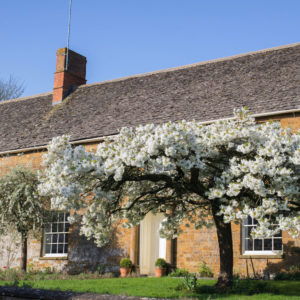
Prunus Tai-Haku
Price range: €180.00 through €750.00 Select options This product has multiple variants. The options may be chosen on the product page -
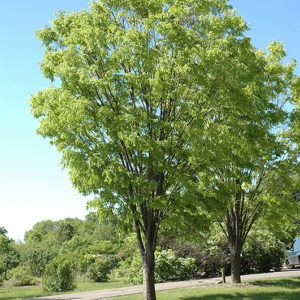
Zelkova serrata ‘Green Vase’
€2,200.00 Select options This product has multiple variants. The options may be chosen on the product page -
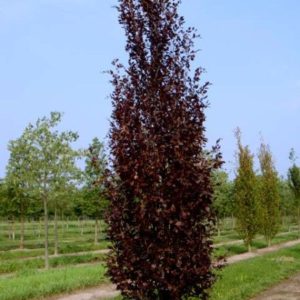
Fagus sylvatica Dawyck Purple
Price range: €450.00 through €1,800.00 Select options This product has multiple variants. The options may be chosen on the product page