


Acer palmatum / Japanese Maple
Price range: €250.00 through €750.00
Frequently Bought Together


Description
Acer palmatum is one of those plants people think they know… until they meet a really beautiful specimen.
This one has been grown slowly and shaped with care, so it doesn’t just “fill a space” — it holds it. Elegant branching, that soft, layered canopy, and seasonal colour that makes the whole garden feel more considered.
This one has been grown slowly and shaped with care, so it doesn’t just “fill a space” — it holds it. Elegant branching, that soft, layered canopy, and seasonal colour that makes the whole garden feel more considered.
It’s the kind of tree that quietly changes the mood of a corner: morning light through the leaves, a little movement in the breeze, and that gentle sense of calm Japanese maples bring wherever they’re planted.
Perfect for
- Courtyard gardens and patios (especially in a large pot)
- A focal point in a mixed border
- Underplanting with ferns, hostas, hellebores, hakonechloa, spring bulbs
- Adding structure and “presence” without heaviness
Quick Facts
- Botanical name: Acer palmatum
- Common name: Japanese Maple
- Plant type: Deciduous small tree
- Best position: Bright shade / dappled light (sheltered)
- Sun tolerance: Morning sun is ideal; avoid harsh afternoon sun in exposed spots
- Soil: Moist but free-draining; rich, slightly acidic to neutral
- Hardiness: Very hardy in Ireland/UK (protect from drying winds)
- Growth habit: Graceful, layered branching; specimen shape
- Great in pots: Yes — brilliant in a substantial container
Caragh Garden Notebook (our best tips)
- Shelter is everything. Japanese maples hate cold, drying winds more than they hate cold itself. Tuck it into a protected spot and it will reward you for years.
- Think “moist, not wet”. Consistent moisture is key — especially in the first two seasons and for pot-grown trees.
- Mulch like you mean it. A generous mulch keeps roots cool, conserves moisture, and improves soil structure over time.
- Underplant for magic. Pair with soft textures (ferns, grasses) and spring bulbs for that layered, woodland feel.
- Pruning: Minimal — this is a tree you edit, not reshape. Remove crossing branches in winter if needed.
A note on choosing a specimen
Acer palmatum is widely loved for a reason — but a well-grown specimen is a different thing entirely. You’re not just buying a plant; you’re buying time, shape, and presence.
Related products
-

Acer palmatum ‘Limelight’
€295.00 Select options This product has multiple variants. The options may be chosen on the product page -
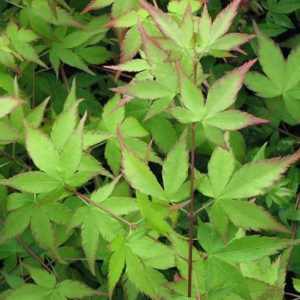
Acer palm. Little Princess
Price range: €150.00 through €1,200.00 Select options This product has multiple variants. The options may be chosen on the product page -
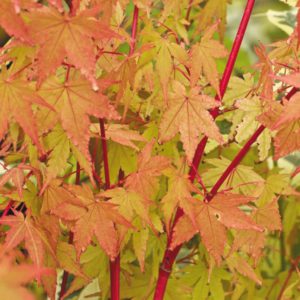
Acer palm. Sango Kaku
Price range: €600.00 through €660.00 Select options This product has multiple variants. The options may be chosen on the product page -
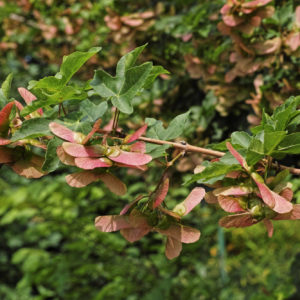
Acer campestre / Field Maple
Price range: €220.00 through €650.00 Select options This product has multiple variants. The options may be chosen on the product page