


Acer palmatum Atropurpureum
€49.00
Frequently Bought Together
Description
Quick Facts
- Botanical name: Acer palmatum ‘Atropurpurea’ (also listed as ‘Atropurpureum’)
- Common name: Purple Japanese maple
- Type: Deciduous small tree or large shrub
- Mature height and spread: Around 4–5m tall and 4–5m wide after 20 years or more. Slow growing, especially when young.
- Flowering period and colour: Small reddish-purple flowers in spring (April to May). Modest and easy to miss.
- Foliage: Deeply cut, five- to seven-lobed leaves in deep burgundy-purple through spring and summer, turning crimson-red in autumn. Colour can fade to bronze-green in hot, dry summers.
- Hardiness: Fully hardy in Ireland and the UK (RHS H6, to about -20°C). Young spring growth can be damaged by late frosts.
- Soil: Moist but well-drained, slightly acidic to neutral, and rich in organic matter. Dislikes waterlogged or very dry, chalky ground.
- Aspect: Dappled shade or morning sun with afternoon shelter. Needs protection from strong wind.
- Maintenance: Low. Little pruning is needed, but it appreciates mulch and steady moisture while establishing.
Description
A graceful, slow-growing Japanese maple with finely cut leaves in rich burgundy-purple that turn a glowing crimson in autumn. It has a naturally rounded, spreading habit, with layered branches that give it a soft, airy elegance all year, even when bare in winter. Lovely as a specimen near a patio or entrance, in a sheltered border, or in a large container where it can be enjoyed up close.
Caragh Garden Notebook
Planting Plant in autumn or spring in a sheltered spot with dappled light, away from cold drying winds. Dig a hole about twice the width of the pot and the same depth, and mix in some well-rotted compost or leaf mould. Keep the top of the rootball level with the soil surface, backfill, firm gently and water in well. Avoid heavy, wet clay unless you improve the drainage first.
Watering Water regularly through the first two to three summers, so the soil stays evenly moist but never soggy. Japanese maples don’t like drying out, and dry spells are the most common cause of crisping leaf edges. Container-grown trees need watering more often. Use rainwater if you can, particularly on chalky or hard-water sites.
Feeding Apply a slow-release, balanced fertiliser or well-rotted compost in early spring. Avoid heavy feeding, which can push soft growth that’s more prone to scorch. Mulch with 5–7cm of leaf mould or bark each spring, keeping it clear of the trunk.
Seasonal Care and Tidy-Up Spring: Protect new growth with horticultural fleece if a hard late frost is forecast. Summer: Keep well watered and mulched. Move containers out of hot afternoon sun. Autumn: Enjoy the colour, then rake fallen leaves from the base to add to your leaf mould. Winter: Pots benefit from a little shelter and insulation around the container in severe cold.
Division Not applicable, as this is a tree. Pruning is minimal. Remove any dead, damaged or crossing branches in late autumn to midwinter, when the tree is fully dormant. Avoid pruning in spring, as maples bleed sap heavily.
Pests and Problems
- Leaf scorch: Brown, crisp leaf edges from strong wind, hot sun or dry soil. Usually cosmetic, and the tree recovers the following year.
- Verticillium wilt: A soil-borne fungal disease that can cause sudden dieback of a branch. Remove affected wood and avoid replanting maples in the same spot. Good drainage helps reduce the risk.
- Coral spot: Small orange-pink pustules on dead wood. Prune out and dispose of affected stems.
- Aphids: Occasionally appear on soft new growth. Usually tolerated, or washed off.
Additional information
| Pot Size |
|---|
Related products
-

Acer palmatum / Japanese Maple
Price range: €250.00 through €750.00 Select options This product has multiple variants. The options may be chosen on the product page -
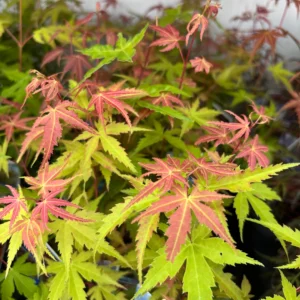
Acer palmatum ‘Phoenix’
€49.00 Select options This product has multiple variants. The options may be chosen on the product page -

Acer palmatum dissectum ‘Seiryū’ / Japanese Maple
Price range: €49.00 through €140.00 Select options This product has multiple variants. The options may be chosen on the product page -

Acer palmatum Black Lace
€195.00 Select options This product has multiple variants. The options may be chosen on the product page