


Morus alba / Mulberry
Price range: €250.00 through €500.00
Description
Quick Facts
– Botanical Name: Morus alba
– Common Name: White Mulberry
– Plant Type: Deciduous tree
– Mature Height: 8–15m (can be kept considerably smaller with pruning)
– Mature Spread: 8–12m
– Flowering Period: Spring — flowers are inconspicuous
– Flower Colour: Inconspicuous catkins
– Fruit: Small, cylindrical fruits ripening from white to pale pink or soft lilac — sweet, juicy, and edible; produced from midsummer
– Foliage Colour: Bold, broadly lobed fresh green leaves; bright yellow in autumn
– Habit: Broadly spreading, rounded crown developing with age; characterful and gnarled in maturity
– Hardiness: Fully hardy
– Soil Requirements: Well-drained, moderately fertile; highly adaptable
– Aspect: Full sun — fruit production and best growth in a warm, open position
– Maintenance: Low — minimal pruning required
Description
There is something wonderfully generous and unhurried about a Mulberry tree. Morus alba — the White Mulberry — is a tree with real character and a long, distinguished history, cultivated for thousands of years across Asia and Europe for its sweet, juicy fruit and its broad, handsome canopy. In the garden it brings something that only a few trees can offer — a genuine sense of permanence and story, a tree that feels as though it belongs and has always belonged wherever it grows.
The bold, broadly lobed leaves are beautiful throughout the growing season, casting a pleasantly dappled shade through summer, before turning a clean, bright yellow in autumn. The fruit — small, elongated, and ripening to a soft pale pink or lilac — is sweet and delicious, arriving in midsummer and continuing through the season to the great delight of both the household and the garden’s wildlife. As the tree matures, the trunk and branch structure become increasingly characterful and sculptural, developing the gnarled, textured quality that makes old Mulberry trees among the most visually compelling features in any garden.
A tree for life, and a gift to every generation that gardens around it.
Caragh Garden Notebook
Planting:
Plant in spring or autumn in well-drained, moderately fertile soil in a warm, sunny, open position. Morus alba is highly adaptable and will tolerate most soil types including poor, dry, and sandy conditions — but a warm, sheltered spot in full sun produces the best fruit and the healthiest, most vigorous growth. Give it generous space from the outset; this is a broad-spreading tree that deserves room to develop its full, rounded character over time.
Watering:
Water well after planting and through the first two growing seasons. Once established, the White Mulberry is remarkably drought tolerant and largely self-sufficient — one of the most resilient fruiting trees available for the Irish and UK garden. During periods of prolonged drought, a deep water will help support fruit development and maintain the quality of the crop.
Feeding:
Apply a balanced general fertiliser or a mulch of well-rotted compost in early spring. Established trees growing in reasonable soil require very little supplementary feeding. Avoid excessive nitrogen, which promotes vigorous leafy growth at the expense of fruit production.
Seasonal Care & Tidy-Up:
Mulberries are best pruned as little as possible — they bleed freely when cut and respond poorly to hard pruning. Any necessary shaping or removal of dead, damaged, or crossing branches should be carried out in midsummer when the tree is in full growth and the risk of bleeding is lowest. Allow the tree to develop its natural form and character with minimal interference, and it will reward you with decades of beauty, fruit, and presence.
Pests & Problems:
Generally trouble-free and very resilient. The fruit is irresistible to birds and will need netting if you want to harvest a meaningful crop before it is taken. Canker can occasionally affect older trees — remove affected wood cleanly in summer. The falling fruit can stain hard surfaces and paving significantly, so consider placement carefully if the tree is near paths, terraces, or parking areas — the juice is persistent and deeply coloured.
Design Notes:
The White Mulberry is a tree that suits almost any garden large enough to give it space — its adaptability, longevity, and multi-season interest make it one of the most rewarding choices for a long-term garden investment. Plant as a specimen in a lawn where the spreading canopy and characterful trunk can be fully appreciated; position near a seating area where the dappled summer shade and the pleasure of picking ripe fruit from the branches can be enjoyed at close quarters; or use in a larger mixed planting where it will gradually become the anchor and focal point around which the rest of the garden arranges itself. In a kitchen garden or productive garden setting, it combines beauty and practicality in equal measure — few trees give back as generously or as deliciously as a well-established Mulberry.
Propagation:
Hardwood cuttings taken in winter root readily. Established trees can also be propagated by layering long, low branches in autumn.
Additional information
| Pot Size | 90L 25-30cm girth Standard, Airpot, 70cm girth, 5-6metres tall, 12-14cm girth, 2-2.5m tall, Rootballed, 20-25cm girth, 3-3.5m tall, 60cm stem, Rootballed |
|---|
Related products
-
Sale!

Fagus sylvatica / Beech Trees
Price range: €150.00 through €600.00 Select options This product has multiple variants. The options may be chosen on the product page -
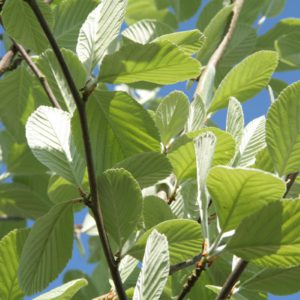
Sorbus aria Lutescens / Whitebeam
€520.00 Select options This product has multiple variants. The options may be chosen on the product page -
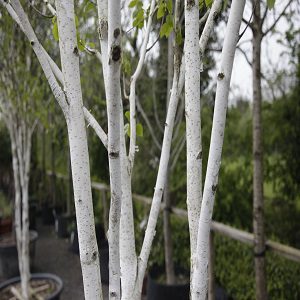
Betula Jacquemontii Multi-Stemmed
Price range: €450.00 through €750.00 Select options This product has multiple variants. The options may be chosen on the product page -
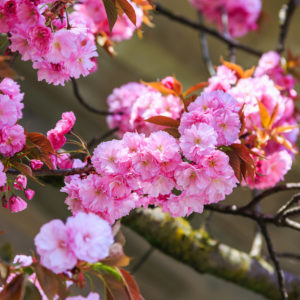
Prunus Kanzan / Japanese Flowering Cherry
Price range: €75.00 through €650.00 Select options This product has multiple variants. The options may be chosen on the product page