

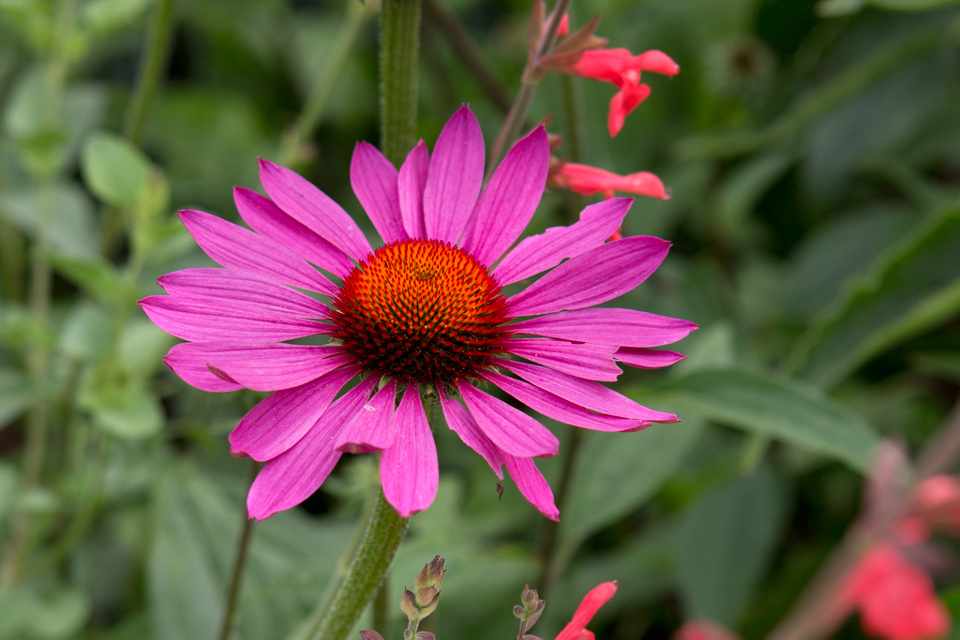
Echinacea Purpurea
€8.50
Description
Quick Facts
Botanical Name: Echinacea purpurea
Common Name: Purple Coneflower
Plant Type: Herbaceous perennial
Position: Full sun (best flowering) / light shade
Soil: Fertile, well-drained soil (tolerates a range once established)
Flowering: Summer into early autumn (typically July–September)
Foliage: Green, clump-forming; dies back in winter
Wildlife: Excellent for bees and butterflies; seed heads loved by birds if left on
Great For: Prairie-style planting, sunny borders, wildlife gardens, cutting gardens
Hardiness: Fully hardy in Irish/UK gardens
Common Name: Purple Coneflower
Plant Type: Herbaceous perennial
Position: Full sun (best flowering) / light shade
Soil: Fertile, well-drained soil (tolerates a range once established)
Flowering: Summer into early autumn (typically July–September)
Foliage: Green, clump-forming; dies back in winter
Wildlife: Excellent for bees and butterflies; seed heads loved by birds if left on
Great For: Prairie-style planting, sunny borders, wildlife gardens, cutting gardens
Hardiness: Fully hardy in Irish/UK gardens
Description
A true late-summer classic, Echinacea purpurea brings bold colour and an easy, natural elegance to the garden. Its daisy-like flowers in rich purple-pink tones sit on strong stems above a neat clump of foliage—perfect for adding height and structure through the warmest months, just when many borders need a lift.
It’s also a favourite with pollinators. On a sunny day you’ll often find bees and butterflies working their way around the flowers, and if you leave the seed heads standing into autumn, birds will happily visit too.
Caragh Garden Notebook
Planting: Plant in a sunny, open spot with well-drained soil. It’s ideal for mixed borders and prairie-style schemes, and looks best planted in small groups for impact.
Watering: Water regularly during the first season. Once established, it’s fairly drought tolerant, though it will flower best with occasional deep watering in prolonged dry spells.
Feeding: Not fussy—mulch with compost in spring to support strong growth and flowering.
Deadheading: Remove spent flowers to encourage more blooms, or leave some seed heads for autumn structure and wildlife value.
Cutting Back: In late autumn or early spring, cut back old stems to make way for fresh growth.
Design Notes: Beautiful with ornamental grasses, salvias, verbena, rudbeckia and achillea. A perfect plant for that relaxed, “meadowy” look with lots of movement.
Watering: Water regularly during the first season. Once established, it’s fairly drought tolerant, though it will flower best with occasional deep watering in prolonged dry spells.
Feeding: Not fussy—mulch with compost in spring to support strong growth and flowering.
Deadheading: Remove spent flowers to encourage more blooms, or leave some seed heads for autumn structure and wildlife value.
Cutting Back: In late autumn or early spring, cut back old stems to make way for fresh growth.
Design Notes: Beautiful with ornamental grasses, salvias, verbena, rudbeckia and achillea. A perfect plant for that relaxed, “meadowy” look with lots of movement.
FAQs
Will it come back every year?
Yes—Echinacea purpurea is a hardy perennial and will return each year once established.
Yes—Echinacea purpurea is a hardy perennial and will return each year once established.
Does it need staking?
Usually not. In very exposed spots or rich soil it can grow taller, so planting in groups (or among grasses) helps support the stems naturally.
Usually not. In very exposed spots or rich soil it can grow taller, so planting in groups (or among grasses) helps support the stems naturally.
Is it good for cutting?
Yes—fresh flowers are great in arrangements, and the dried seed heads look beautiful too.
Yes—fresh flowers are great in arrangements, and the dried seed heads look beautiful too.
Additional information
| Pot Size |
|---|
Related products
-
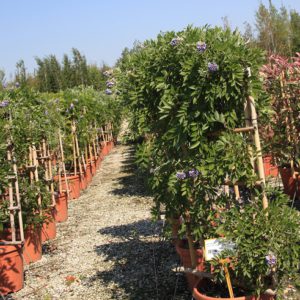
Wisteria sinensis Screen
€240.00 Select options This product has multiple variants. The options may be chosen on the product page -
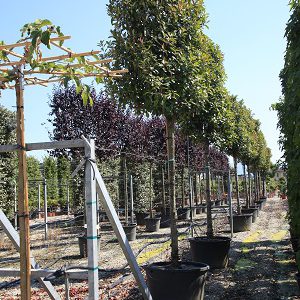
Photinia Red Robin Standard Pleached / Espalier
Price range: €390.00 through €550.00 Select options This product has multiple variants. The options may be chosen on the product page -
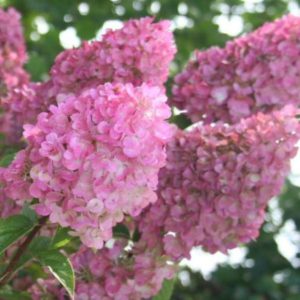
Hydrangea Sundae Fraise
€25.00 Select options This product has multiple variants. The options may be chosen on the product page -
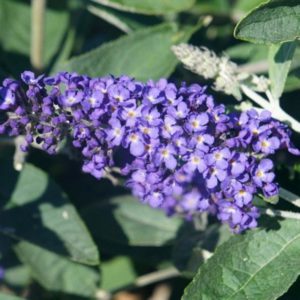
Buddleja Petite Blue Heaven
Price range: €15.00 through €25.00 Select options This product has multiple variants. The options may be chosen on the product page