

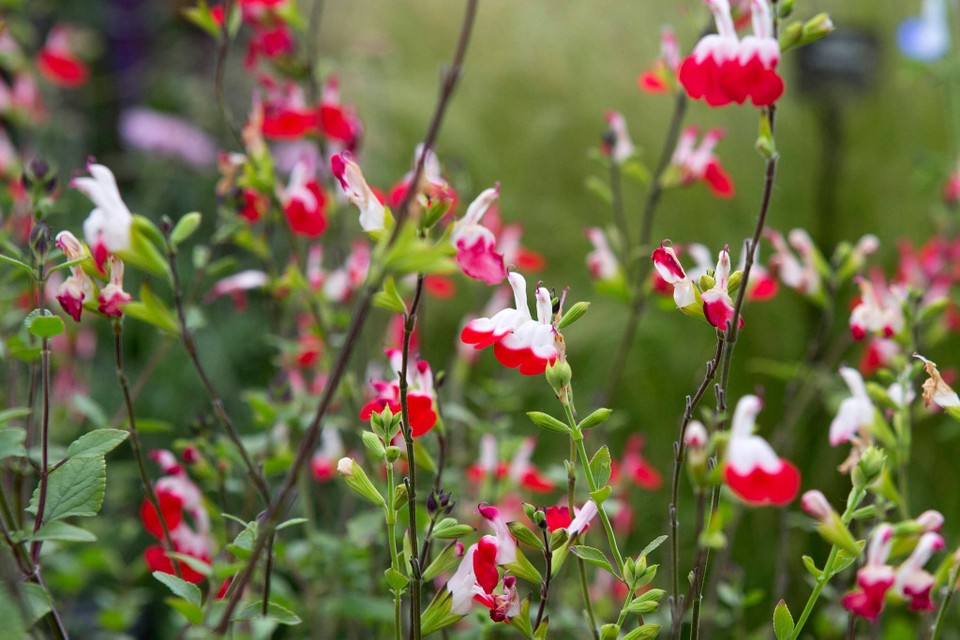
Salvia Hot Lips
€8.50
Frequently Bought Together
Description
Quick Facts
Botanical Name: Salvia microphylla ‘Hot Lips’
Common Name: Salvia ‘Hot Lips’
Plant Type: Bushy perennial / sub-shrub
Position: Full sun (best flowering) / light shade
Soil: Free-draining; drought tolerant once established
Flowering: Late spring right through to autumn (often until first frosts)
Foliage: Small aromatic green leaves
Wildlife: Excellent for bees and pollinators
Great For: Sunny borders, pots, cottage gardens, wildlife gardens, Mediterranean-style planting
Hardiness: Hardy in mild Irish/UK gardens; best in a sheltered, well-drained spot (protect from harsh, wet winters)
Common Name: Salvia ‘Hot Lips’
Plant Type: Bushy perennial / sub-shrub
Position: Full sun (best flowering) / light shade
Soil: Free-draining; drought tolerant once established
Flowering: Late spring right through to autumn (often until first frosts)
Foliage: Small aromatic green leaves
Wildlife: Excellent for bees and pollinators
Great For: Sunny borders, pots, cottage gardens, wildlife gardens, Mediterranean-style planting
Hardiness: Hardy in mild Irish/UK gardens; best in a sheltered, well-drained spot (protect from harsh, wet winters)
Description
If you want a plant that simply keeps going, Salvia ‘Hot Lips’ is a star. It’s famous for its playful, two-tone flowers—bright red and white blooms that dance above aromatic foliage for months on end. And the best bit? It flowers and flowers and flowers, bringing colour from early summer right through to autumn.
It’s perfect for sunny borders and pots, and it mixes beautifully with lavender, roses, verbena, grasses and nepeta. Plant it somewhere you’ll see often—near a path or patio—and it’ll reward you with constant movement, colour, and pollinator activity.
Caragh Garden Notebook
Planting: Choose a warm, sunny, sheltered spot with free-draining soil. If your soil is heavy, add grit or plant slightly raised. Great in pots with a gritty compost mix.
Watering: Water well while establishing. Once settled, it’s drought tolerant, but will flower best with occasional deep watering during dry spells (especially in containers).
Feeding: A light feed in spring helps strong growth and flowering. In pots, use a slow-release feed for best performance.
Pruning: In early spring, cut back to encourage fresh growth (wait until risk of hard frost has passed). You can also lightly trim after a flush of flowers to keep it tidy and encourage more blooms.
Winter Care: The main risk is cold + wet. Good drainage and shelter make all the difference. In very exposed gardens, consider pot-growing so it can be moved to a protected spot in winter.
Design Notes: Gorgeous with soft grasses and silvers for a Mediterranean feel, or with pinks/purples for a cottage-garden palette. A brilliant “long-season” filler.
Watering: Water well while establishing. Once settled, it’s drought tolerant, but will flower best with occasional deep watering during dry spells (especially in containers).
Feeding: A light feed in spring helps strong growth and flowering. In pots, use a slow-release feed for best performance.
Pruning: In early spring, cut back to encourage fresh growth (wait until risk of hard frost has passed). You can also lightly trim after a flush of flowers to keep it tidy and encourage more blooms.
Winter Care: The main risk is cold + wet. Good drainage and shelter make all the difference. In very exposed gardens, consider pot-growing so it can be moved to a protected spot in winter.
Design Notes: Gorgeous with soft grasses and silvers for a Mediterranean feel, or with pinks/purples for a cottage-garden palette. A brilliant “long-season” filler.
FAQs
Does ‘Hot Lips’ really flower all summer?
Yes—given sun and decent drainage, it’s one of the longest-flowering salvias you can grow.
Yes—given sun and decent drainage, it’s one of the longest-flowering salvias you can grow.
Why are some flowers more red or more white?
Colour can vary with temperature and season—part of its charm. You’ll often see more two-tone blooms in warm, settled weather.
Colour can vary with temperature and season—part of its charm. You’ll often see more two-tone blooms in warm, settled weather.
Is it good for pollinators?
Very. Bees love it, and it keeps providing nectar late into the season.
Very. Bees love it, and it keeps providing nectar late into the season.
Additional information
| Pot Size |
|---|
Related products
-
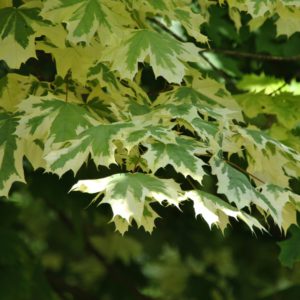
Acer plat. ‘drummondii’
Price range: €150.00 through €650.00 Select options This product has multiple variants. The options may be chosen on the product page -
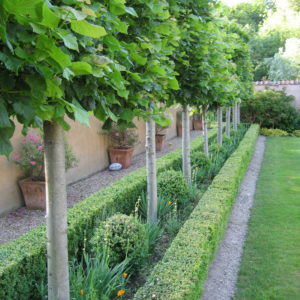
Pyrus Chanticleer Espalier
Price range: €440.00 through €450.00 Select options This product has multiple variants. The options may be chosen on the product page -
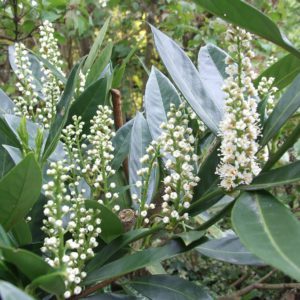
Prunus Otto Luyken
€25.00 Select options This product has multiple variants. The options may be chosen on the product page -
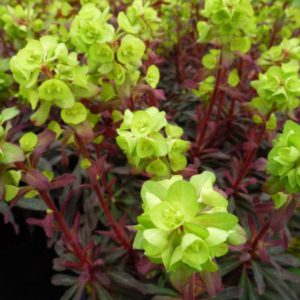
Euphorbia amygdaloides ‘Purpurea’
€8.50 Select options This product has multiple variants. The options may be chosen on the product page