

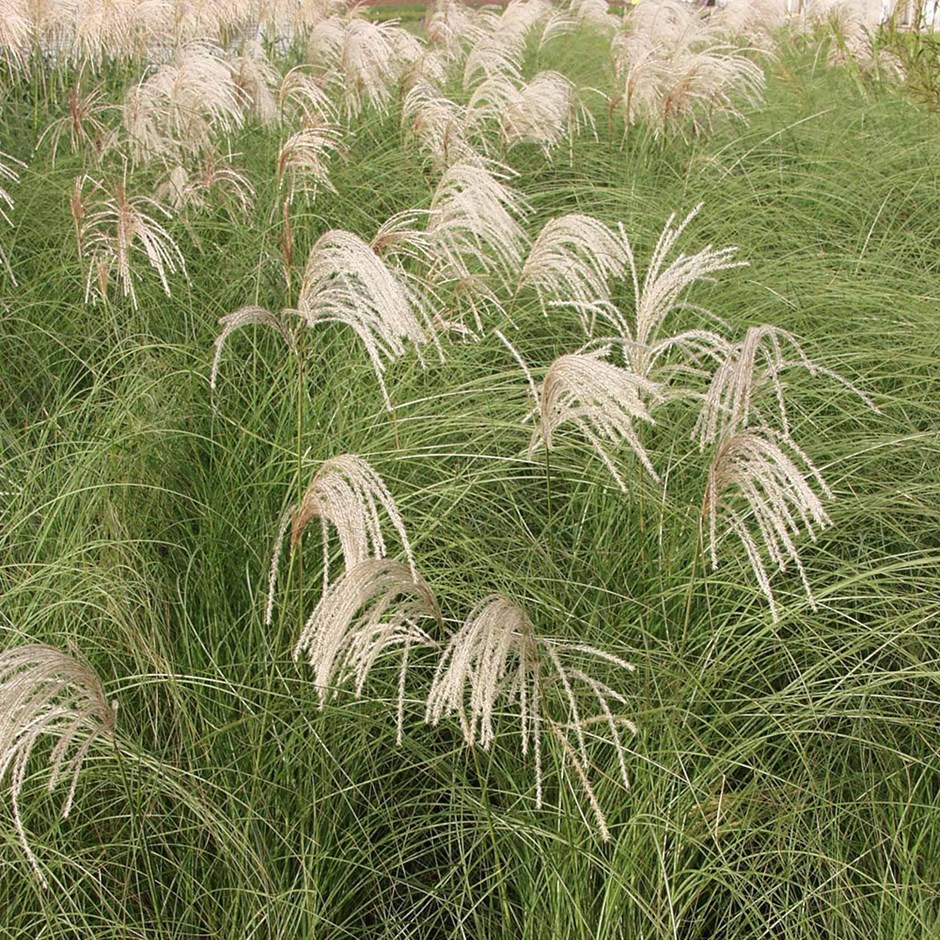
Miscanthus sinensis
€9.50
Frequently Bought Together



Description
Quick Facts
- Botanical Name: Miscanthus sinensis
- Common Name: Maiden Grass
- Plant Type: Ornamental grass (deciduous perennial)
- Foliage: Narrow, arching green leaves (often with a pale midrib)
- Flower Plumes: Silky, feathery plumes in late summer/autumn (varies by variety)
- Height & Spread: Typically 1.2–2m tall x 60–120cm spread (depends on variety and conditions)
- Season of Interest: Late summer through winter (seedheads look beautiful in frost)
- Position: Full sun (best growth and flowering)
- Soil: Well-drained but moisture-retentive soil; adaptable once established
- Hardiness: Fully hardy in Ireland & the UK
- Wildlife Friendly: Provides shelter and winter structure
- Best For: Prairie-style planting, mixed borders, screening, pots (compact varieties), winter interest
Description
Miscanthus sinensis is one of the most rewarding plants you can add to a garden if you love movement, texture, and that soft, natural “prairie” feel. Through summer it forms a graceful fountain of arching leaves, and as the season turns, it lifts into flower—sending up silky plumes that catch the light and make the whole border feel alive.
It’s a plant that earns its keep for months. In autumn the foliage often warms to honeyed tones, and in winter the dried plumes and stems stay standing, bringing structure when so much else has disappeared. On frosty mornings, it’s genuinely magical.
Whether you’re building a contemporary scheme with clean lines or a looser, more natural planting style, Miscanthus is a reliable backbone—soft enough to blend, strong enough to hold a space.
Why You’ll Love It
- Adds movement and sound—it rustles beautifully in a breeze
- Long season of interest from late summer right through winter
- Creates structure without stiffness (a perfect “soft screen”)
- Pairs effortlessly with perennials and other grasses
- Low maintenance once established
Caragh Garden Notebook
- Planting: Plant in spring or autumn into well-prepared soil. Give it space—miscanthus looks best when it can form a full clump.
- Watering: Water well in the first season. After that, it’s fairly resilient, though it performs best with some moisture in summer.
- Cutting Back: In late winter/early spring (February–March), cut the old growth down to 10–15cm before new shoots emerge. Wear gloves—the leaves can be sharp.
- Feeding: A mulch of compost in spring is usually plenty.
- Design Tip: Plant in groups of 3+ for impact, and place where backlighting (morning or evening sun) can catch the plumes.
Perfect Partners
Looks stunning with echinacea, rudbeckia, salvias, verbena bonariensis, persicaria, sedum, and airy autumn perennials—anything that enjoys sun and complements that soft, upright form.
Additional information
| Pot Size |
|---|
Related products
-

Salvia nemerosa Midnight Purple
Price range: €9.50 through €10.50 Select options This product has multiple variants. The options may be chosen on the product page -
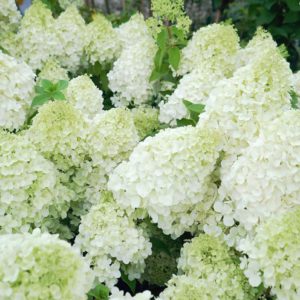
Hydrangea paniculata Polar Bear
€25.00 Select options This product has multiple variants. The options may be chosen on the product page -
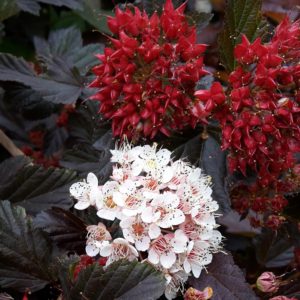
Physocarpus opulifolius Red Baron
Price range: €20.00 through €35.00 Select options This product has multiple variants. The options may be chosen on the product page -

Miscanthus Zebrinus
Price range: €8.50 through €40.00 Select options This product has multiple variants. The options may be chosen on the product page