


Cyrtomium fortunei ‘Clivicola’ (Holly Fern)
€45.00
Description
Cyrtomium fortunei ‘Clivicola’ (Holly Fern)
Quick Facts
- Botanical Name: Cyrtomium fortunei ‘Clivicola’
- Common Name: Holly Fern
- Plant Type: Evergreen fern
- Habit: Clump-forming; upright, arching fronds
- Height (approx.): 40–60cm
- Spread (approx.): 45–75cm
- Foliage: Glossy, deep green, holly-like leaflets; strong year-round structure
- Position: Part shade to shade (tolerates some sun if soil stays moist)
- Soil: Moisture-retentive but free-draining; humus-rich is ideal
- Hardiness: Very hardy
- Best For: Shade borders, woodland gardens, underplanting, pots in sheltered shade, evergreen structure in darker corners
Description
If you want a fern that actually holds its presence through winter, this is a brilliant one.
Cyrtomium fortunei ‘Clivicola’ has bold, glossy fronds with holly-like leaflets — richer and more architectural than many softer ferns. It brings an instant sense of “finished” to shaded planting, giving you that deep green structure that makes everything around it look more intentional.
It’s especially good for lifting darker corners: under trees, along north-facing walls, or in a woodland border where you want evergreen shape without anything fussy.
Caragh Garden Notebook
Planting & position
This fern loves dappled shade to shade. It will tolerate a little sun, but only if the soil stays consistently moist. In brighter spots, shelter it from hot afternoon sun.
This fern loves dappled shade to shade. It will tolerate a little sun, but only if the soil stays consistently moist. In brighter spots, shelter it from hot afternoon sun.
Soil
Aim for soil that’s humus-rich (think woodland conditions): moisture-retentive but free-draining. Improve the planting area with leaf mould or compost to help it settle quickly.
Aim for soil that’s humus-rich (think woodland conditions): moisture-retentive but free-draining. Improve the planting area with leaf mould or compost to help it settle quickly.
Watering
Water well while establishing, especially in the first season. Once settled it’s fairly resilient, but like most ferns it looks best when it doesn’t dry out completely.
Water well while establishing, especially in the first season. Once settled it’s fairly resilient, but like most ferns it looks best when it doesn’t dry out completely.
Feeding
A spring mulch of leaf mould or compost is usually all it needs. In pots, a light feed in spring can help keep fronds lush.
A spring mulch of leaf mould or compost is usually all it needs. In pots, a light feed in spring can help keep fronds lush.
Tidying
Very low maintenance. Remove any tired or damaged fronds in late winter/early spring to make way for fresh new growth.
Very low maintenance. Remove any tired or damaged fronds in late winter/early spring to make way for fresh new growth.
Pests & problems
Generally trouble-free. Watch for slugs/snails on young fronds in spring, especially in damp gardens.
Generally trouble-free. Watch for slugs/snails on young fronds in spring, especially in damp gardens.
Design notes
- Beautiful with hostas, heucheras, hellebores, hydrangeas, and spring bulbs
- Perfect for underplanting around camellias, acers, and other woodland shrubs
- Great for giving shade borders that “evergreen backbone” all year
Related products
-

Acer plat. ‘drummondii’
Price range: €150.00 through €650.00 Select options This product has multiple variants. The options may be chosen on the product page -
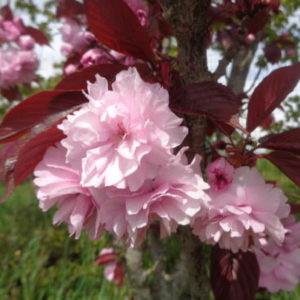
Prunus Royal Burgundy / Red leafed Cherry
Price range: €75.00 through €550.00 Select options This product has multiple variants. The options may be chosen on the product page -

Polystichum munitum – Western Sword Fern
€9.50 Select options This product has multiple variants. The options may be chosen on the product page -
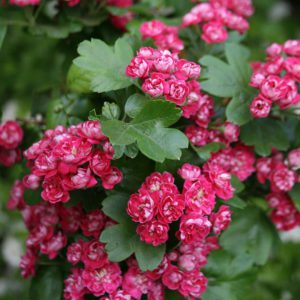
Crataegus Pauls Scarlet / Red Hawthorn
Price range: €45.00 through €240.00 Select options This product has multiple variants. The options may be chosen on the product page