

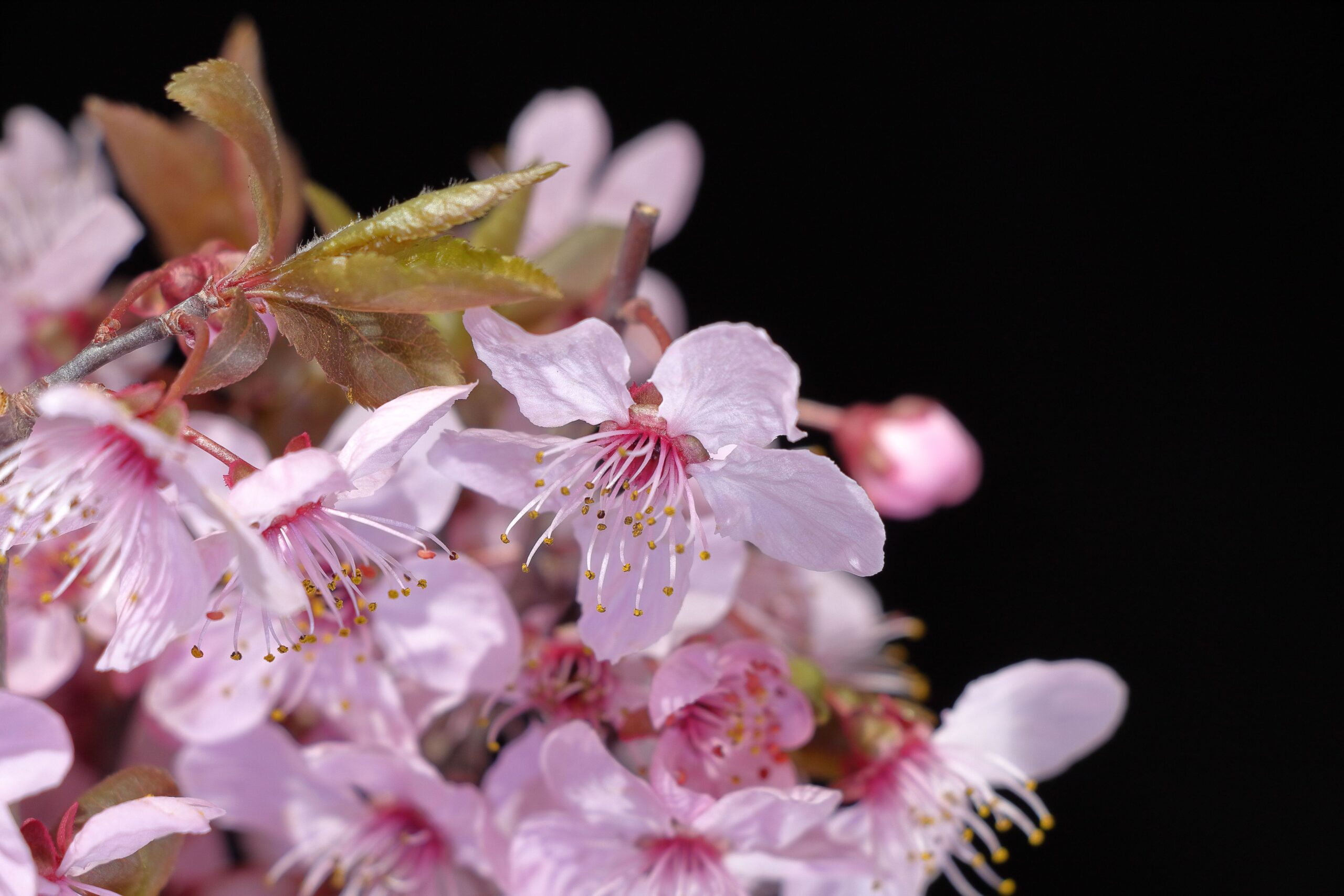
Prunus ‘Jacqueline’
Price range: €150.00 through €220.00
Description
Quick Facts
– Botanical Name: Prunus ‘Jacqueline’
– Common Name: Flowering Cherry ‘Jacqueline’
– Plant Type: Deciduous ornamental tree
– Mature Height: Approx. 4-5m
– Mature Spread: Approx. 3-4m
– Flowering Period: April
– Flower Colour: Large, single pink blossom
– Foliage Colour: Fresh green through summer; rich orange and red in autumn
– Habit: Compact, upright and gently rounded
– Hardiness: Fully hardy
– Soil Requirements: Moist, well-drained, reasonably fertile; tolerates most soils but dislikes waterlogging
– Aspect: Full sun to partial shade
– Maintenance: Low: very little pruning needed
Description
Prunus ‘Jacqueline’ is a lovely flowering cherry that brings a burst of soft pink to the spring garden. In April, the branches are covered in large, single pink blossoms, a cheerful sight after a long winter and a real treat for early bees.
Its size makes it a good choice where a bigger cherry would be too much, and the fresh green summer foliage forms a neat, pretty canopy. In autumn the leaves turn rich shades of orange and red, so the tree keeps its good looks long after the blossom has faded.
Pretty in spring, glowing in autumn, ‘Jacqueline’ is a cherry that rewards you twice.
Caragh Garden Notebook
Planting:
Plant in autumn or spring in moist, well-drained soil, adding well-rotted compost to the planting hole. Choose a sunny, open position for the best blossom, though it will tolerate light shade. Plant at the same depth as the pot, firm in gently and water in thoroughly. Stake young trees for the first two to three years while the roots establish.
Watering:
Water regularly through the first two growing seasons, especially in dry spells. Once established, it is fairly self-sufficient, though a deep water in prolonged dry weather supports healthy growth and good flowering the following spring. In containers, check the compost often and never allow it to dry out.
Feeding:
Apply a balanced general fertiliser or a mulch of well-rotted compost in early spring. Avoid heavy nitrogen feeds, which encourage leafy growth at the expense of blossom.
Seasonal Care & Tidy-Up:
Very little pruning is needed. Remove any dead, damaged or crossing branches in summer, when the tree is in full leaf, as flowering cherries are best pruned then to reduce the risk of silver leaf and other diseases. Remove any suckers from the base or trunk as they appear.
Pests & Problems:
Generally healthy. Aphids, cherry blossom wilt and silver leaf can occasionally appear, particularly in wet seasons. Good air circulation, clean pruning cuts made in summer, and removing any affected wood promptly all help keep the tree in good health.
Design Notes:
‘Jacqueline’ suits smaller gardens, courtyards and front gardens where you want spring blossom and autumn colour without a large tree. Plant it as a specimen on a lawn, near a seating area or as a focal point at the end of a border. Underplant with spring bulbs, primroses or hardy geraniums to echo the pink of the blossom. It also looks lovely beside a path or gate, where the blossom can be enjoyed up close.
Propagation:
Named flowering cherries are grafted by specialist nurseries. For reliable form and flowering, always source nursery-grown plants.
Additional information
| Pot Size |
|---|
Related products
-

Rhododendron Excelsior
€22.00 Select options This product has multiple variants. The options may be chosen on the product page -

Cedrus deodara
Price range: €350.00 through €750.00 Select options This product has multiple variants. The options may be chosen on the product page -
Pyrus Chanticleer
Price range: €500.00 through €600.00 Select options This product has multiple variants. The options may be chosen on the product page -

Salvia nemerosa Rose Queen
€8.50 Select options This product has multiple variants. The options may be chosen on the product page