

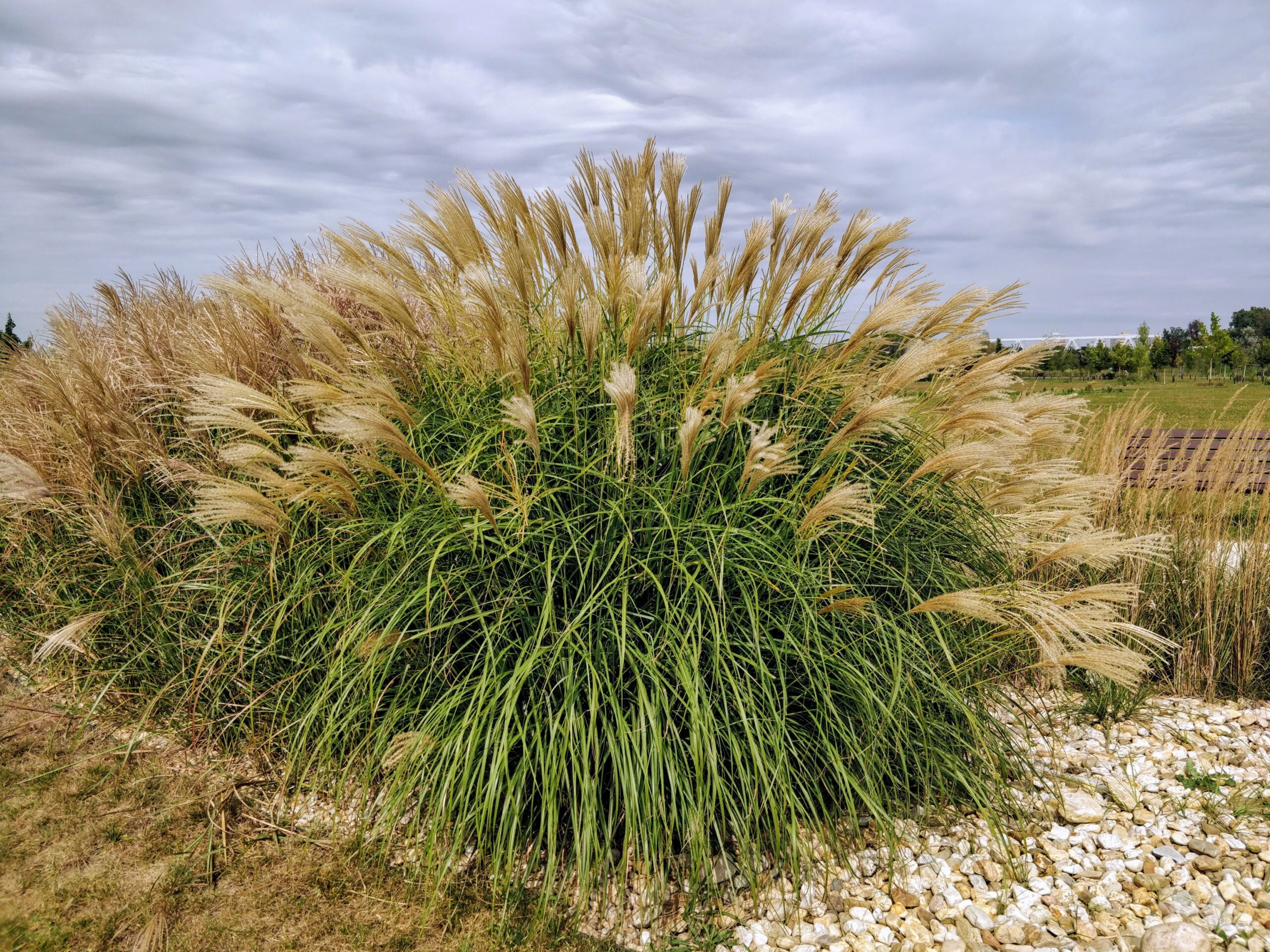
Miscanthus sinensis ‘Goliath’
€9.50
Description
Quick Facts
– Botanical Name: Miscanthus sinensis ‘Goliath’
– Common Name: Goliath Maiden Grass / Giant Silver Grass
– Plant Type: Deciduous ornamental grass
– Mature Height: Approx. 2.5m–3m (including flower plumes)
– Mature Spread: Approx. 1.2m–1.5m
– Flowering Period: Late summer to autumn (August–October)
– Flower Colour: Silvery-pink plumes, fading to creamy-white
– Foliage Colour: Arching mid-green with a silver midrib; warm amber and gold tones in autumn
– Hardiness: Fully hardy
– Soil Requirements: Moist, well-drained; tolerant of most soil types
– Aspect: Full sun to partial shade
– Maintenance: Low — cut back hard once a year in late winter or early spring
Description
True to its name, ‘Goliath’ is one of the most impressive ornamental grasses you can grow — a towering, graceful giant that brings genuine drama and movement to the late summer and autumn garden. Long, arching leaves with a distinctive silver midrib build through the season into a bold, fountain-like clump, before the crowning moment arrives in late summer when enormous silvery-pink plumes emerge and rise above the foliage in a breathtaking display. These fade to a warm creamy-white as autumn deepens, catching the light beautifully and providing outstanding structure and interest well into winter. Few plants deliver this scale of presence with such effortless elegance.
Caragh Garden Notebook
Planting:
Plant in spring in a sunny, open position in well-drained, reasonably fertile soil. ‘Goliath’ will tolerate partial shade but produces its best plumes and most vibrant autumn colour in full sun. Give it space to develop — this is a generous plant that needs room to perform at its best.
Watering:
Water well during the first growing season to help the plant establish a strong root system. Once settled, ‘Goliath’ is remarkably tolerant of both dry spells and periods of moisture, making it a very easy-going plant in most garden conditions.
Feeding:
Apply a balanced general fertiliser or a mulch of well-rotted compost in spring as new growth begins. Avoid over-feeding with high-nitrogen fertilisers, which will encourage excessive leafy growth at the expense of the flowering plumes.
Seasonal Care & Tidy-Up:
Leave the plant standing through autumn and winter — the dried stems and plumes are genuinely beautiful in frost and low winter light and provide valuable habitat for overwintering insects. Cut back hard to around 15–20cm from the ground in late winter or early spring, just before new growth begins. Tie the stems into a bundle before cutting to make the job quick and tidy.
Division (to keep plants vigorous):
Divide established clumps every four to five years in spring to maintain vigour and prevent the centre of the clump from dying out. Use a sharp spade or saw to split the rootball into sections, replanting the outer, more vigorous portions.
Pests & Problems:
Generally very healthy and trouble-free. Miscanthus is not prone to serious pest or disease issues. In very sheltered or shaded positions the tall stems can occasionally flop — a sunny, open aspect will naturally produce stronger, more upright growth.
Design Notes:
‘Goliath’ is a bold architectural plant that works beautifully as a specimen, a dramatic back-of-border statement, or a natural screen between garden areas. Its scale makes it particularly well-suited to large gardens, contemporary planting schemes, and prairie or naturalistic borders where it can be combined with late-flowering perennials such as Rudbeckia, Echinacea, and Persicaria for a spectacular late-season display. The winter silhouette and movement in the breeze are among its finest qualities — plant it where it can be seen from the house through the colder months.
Propagation:
Divide established clumps in spring. Named cultivars do not come true from seed.
Additional information
| Pot Size |
|---|
Related products
-
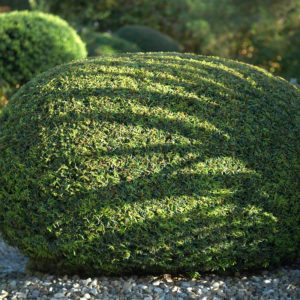
Taxus baccata / Yew Pillows
€1,500.00 Select options This product has multiple variants. The options may be chosen on the product page -

Quercus nuttallii
€3,500.00 Select options This product has multiple variants. The options may be chosen on the product page -
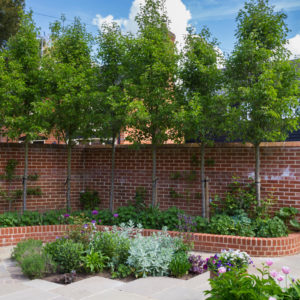
Pyrus Chanticleer
€600.00 Select options This product has multiple variants. The options may be chosen on the product page -

Vinca minor
€8.50 Select options This product has multiple variants. The options may be chosen on the product page