

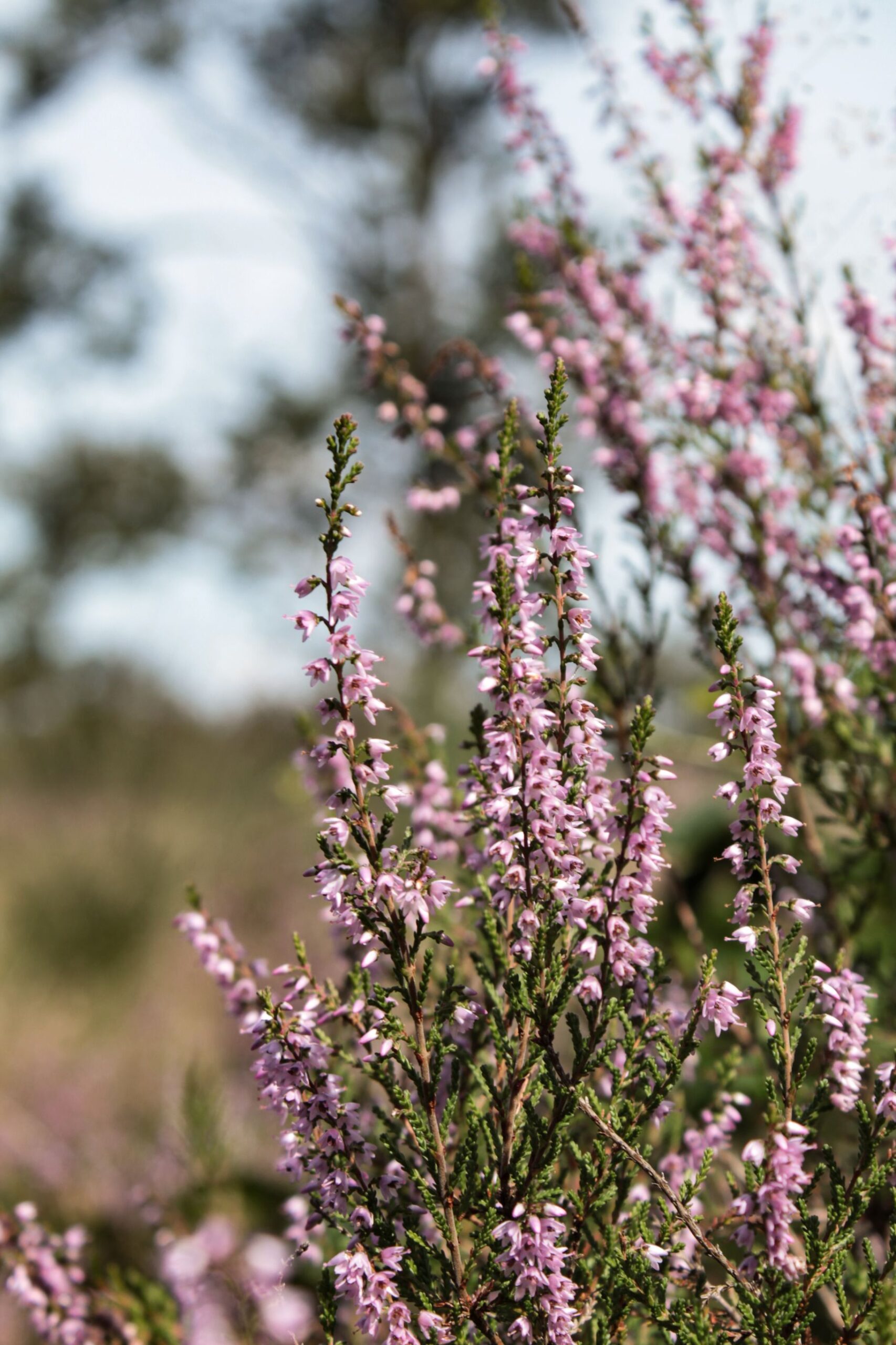
Calluna vulgaris ‘Mary Rose’
€4.95
Description
Quick Facts
– Botanical Name: Calluna vulgaris ‘Mary Rose’
– Common Name: Ling Heather ‘Mary Rose’
– Plant Type: Evergreen dwarf shrub
– Mature Height: 25–35cm
– Mature Spread: 35–50cm
– Flowering Period: August to November — a long, generous season
– Flower Colour: Double pink flowers — soft, warm rose-pink carried in full, generous spikes
– Foliage: Fine, scale-like foliage in mid to dark green; neat and evergreen year-round
– Habit: Low, spreading, compact mound
– Aspect: Full sun
– Soil: Acidic, moist, well-drained; ericaceous compost essential
– Hardiness: Fully hardy in Ireland & the UK
– Maintenance: Very low — clip lightly after flowering
Description
Calluna vulgaris ‘Mary Rose’ is the romantic of the heather collection — double rose-pink flowers, generously carried on full spikes from August right through to November, with a warmth and charm that the name promises and the plant entirely delivers. The double flower form gives the spikes a fuller, more substantial appearance than single-flowered varieties, and the warm rose-pink sits somewhere between blush and deep pink in a tone that catches the low autumn light beautifully.
Where single-flowered heathers have a certain wispy delicacy, ‘Mary Rose’ has more body — the double flowers hold their colour and their form longer through the season, and the effect is of a richer, more generous display that earns its name. From August, as the season turns and the garden begins its quieter phase, ‘Mary Rose’ comes fully into its own — warm, full-flowered, and entirely lovely.
One of the most charming of the double-flowered heathers — a plant with a romantic spirit and a thoroughly reliable disposition.
Caragh Garden Notebook
Planting:
Plant in spring or early autumn into acidic, moist, well-drained soil with ericaceous compost. Full sun gives the richest flower colour and the most compact, healthy habit — the warm rose-pink of the double flowers is at its most vivid in a bright, open position. Plant at the same depth as the pot, firm in gently around the roots, and water in thoroughly. For a heather garden or ground-cover planting, space at around 40–45cm to allow the compact mounds to develop and knit naturally over two to three seasons.
Watering:
Water consistently through the first growing season while the plant establishes. Once settled, ‘Mary Rose’ manages well with natural rainfall in well-drained, acidic soil and requires little supplementary watering in an Irish garden. In containers, water regularly and never allow the compost to dry out completely. Collected rainwater is preferable to hard, alkaline tap water for long-term health — maintaining the correct soil pH is the most important factor in the performance of all ericaceous plants.
Feeding:
Feed with an ericaceous fertiliser in spring to support healthy growth and the richest, fullest double flower production. An annual topdress of ericaceous compost around the base in spring maintains the acidic conditions the plant needs. Avoid general-purpose or lime-rich fertilisers, which cause yellowing foliage and gradual decline.
Pruning:
Clip lightly with shears after flowering — in late autumn or early spring — removing the spent flower spikes and approximately a third of the previous season’s growth. The double flowers of ‘Mary Rose’ persist a little longer on the plant than single-flowered varieties, so the timing of the trim can be slightly later if you wish to enjoy the last of the colour. Keep the annual trim light and consistent; never cut back into old, bare wood.
Pests & Problems:
Entirely trouble-free in the right conditions. As with all heathers, yellowing foliage and weak growth are almost always a sign of incorrect soil pH — too alkaline — addressed with ericaceous compost, ericaceous feeding, and rainwater watering. Good drainage is equally important; waterlogged soil will cause decline regardless of pH. Otherwise, ‘Mary Rose’ is entirely self-sufficient and dependable.
Design Notes:
The double rose-pink of ‘Mary Rose’ makes her one of the most beautiful of the ling heathers in flower — fuller and richer than single-flowered varieties, and warm enough to complement almost any late-season planting palette. Use her alongside ‘Allegro’ in deep ruby and ‘Hilda’ or ‘Tamara’ in white for a classic warm-toned heather combination that covers the full range from pale to deep; plant in generous drifts where the fullness of the double flowers creates a soft, romantic carpet of colour; or use in a container with ericaceous compost for an autumn display on a sunny terrace that is genuinely beautiful through October and November. The warm rose-pink tone catches the low autumn light with real loveliness and pairs naturally with the russet, copper, and amber tones of the wider autumn garden. A heather with a name that suits her perfectly.
Additional information
| Pot Size |
|---|
Related products
-
Geranium Wargrave Pink
€8.50 Select options This product has multiple variants. The options may be chosen on the product page -

Phormium Pink Stripe
Price range: €20.00 through €45.00 Select options This product has multiple variants. The options may be chosen on the product page -

Quercus nuttallii
€3,500.00 Select options This product has multiple variants. The options may be chosen on the product page -

Miscanthus sinensis
€9.50 Select options This product has multiple variants. The options may be chosen on the product page