
The boundary of a garden matters just as much as what you plant inside it.
A good fence doesn’t just enclose, it creates a sense of arrival. It gives you privacy where you want it, shelter where you need it and a calm, tidy backdrop for the softer things like grasses moving in the breeze, roses climbing, hydrangeas leaning out in July.
If you’re choosing fencing for the first time (or replacing something that’s had a hard few winters), here’s our Caragh Garden Notebook guide to choosing well with a few practical tips along the way.
Start with your garden’s personality
Before you look at styles, take a minute to look at the space you actually have.
• Is it exposed? (open countryside, coastal air, a windy corner)
• Is it overlooked? (neighbours, a higher road, new builds nearby)
• Is it a family garden? (children, dogs, busy comings and goings)
• Is it a planted garden? (beds right up to the boundary, climbers, shrubs)
The “perfect” fence is the one that suits your site, your lifestyle, and the way you want the garden to feel.
The three big decisions: style, strength, and softness
Most fencing choices come down to three things and when you get these right, everything else becomes easy.
1) Style: do you want it to blend in or stand out?
Some fences are designed to quietly disappear behind planting. Others become a feature in their own right.
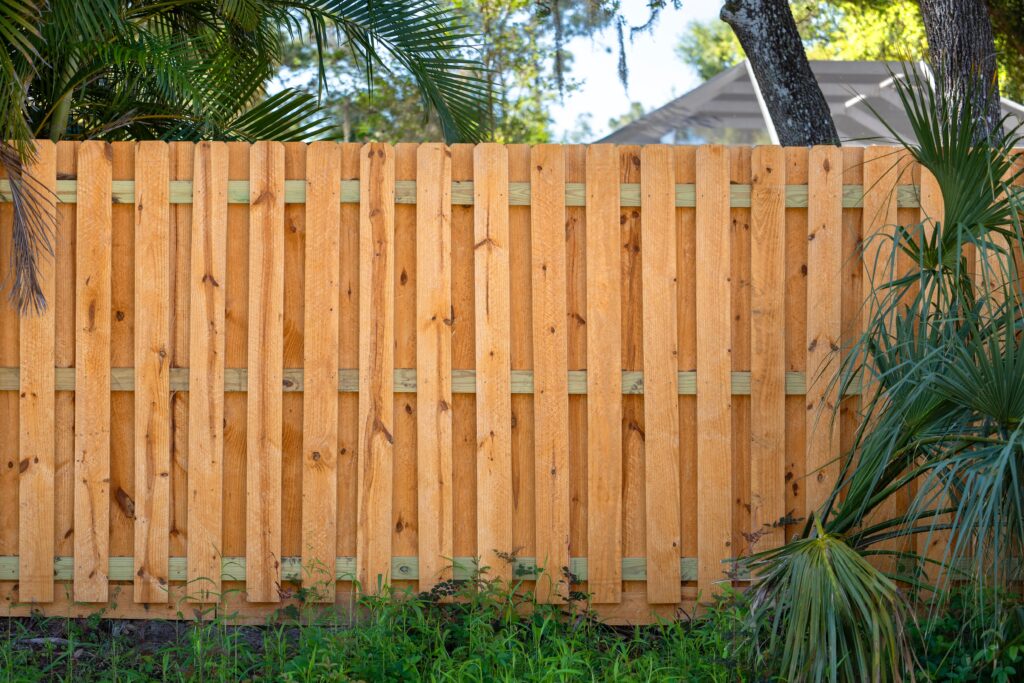
• If you love a classic preserved look, timber fencing with climbers and shrubs tends to feel warm and natural.
• If you want something clean and structured, a more contemporary look (with crisp lines and considered finishes) can make the whole garden feel more designed.
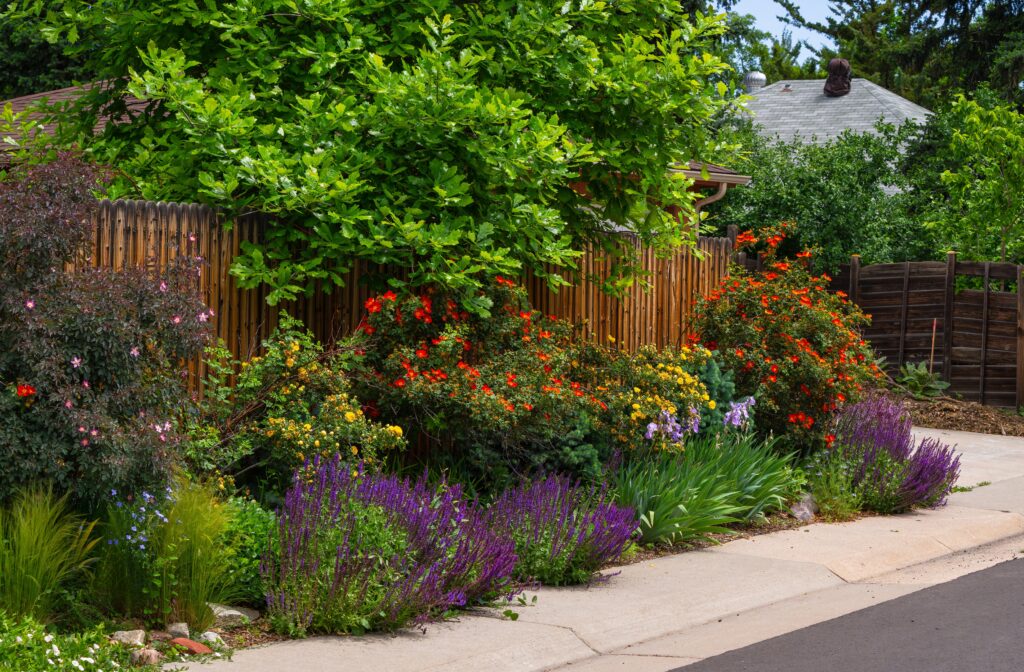
2) Strength what will your garden throw at it?
Irish weather can be brutal. Wind finds the weak spots. Damp finds the untreated edges. So when you’re choosing fencing, it’s worth thinking like this
• Exposed gardens need a fence that’s properly supported and well fixed.
• Shady or damp boundaries benefit hugely from the right base protection (more on gravel boards below).
• Busy family gardens do best with sturdy posts and a gate that won’t sag after a year of daily use.
Caragh Garden Notebook tip: If your last fence failed at the bottom, it wasn’t “bad luck” it was usually constant moisture. Build the base properly and you extend the life of the whole run.
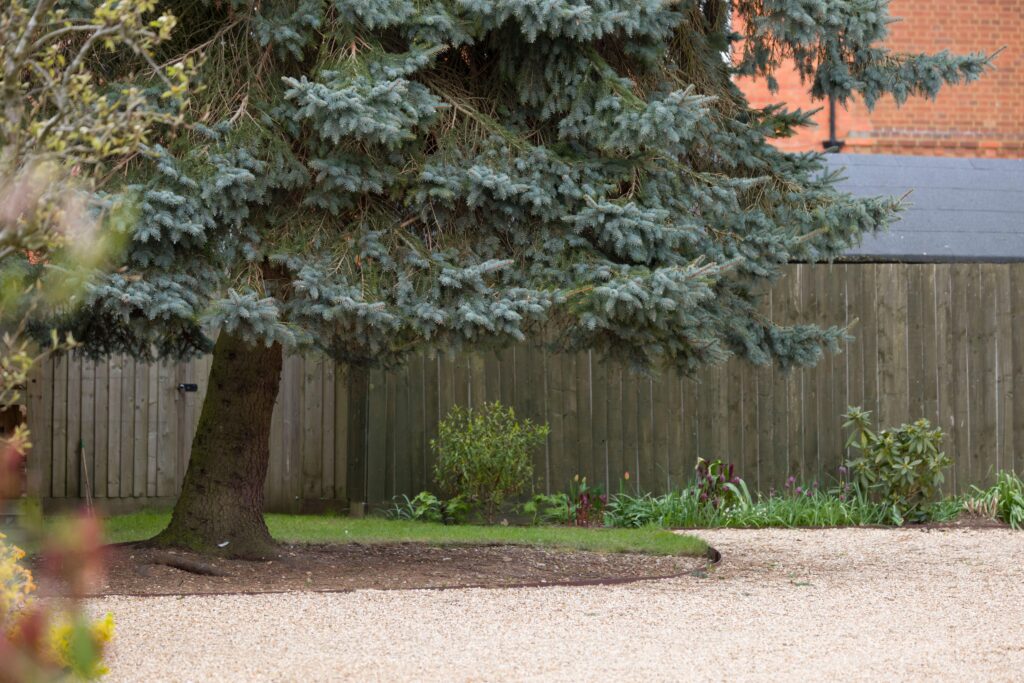
3) Softness; how will you make it feel like a garden?
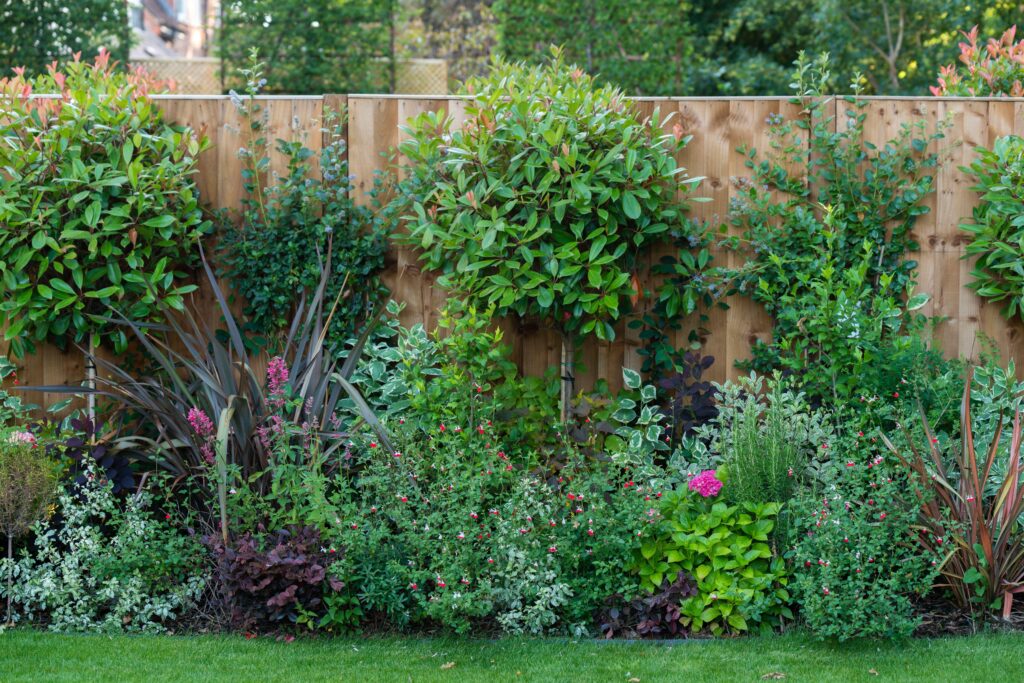
Even the strongest fence should still feel gentle. You can soften a boundary with
• planting beds along the fence line
• trellis and climbers
• a rhythm of shrubs and small trees
• lighting (even a simple warm uplight can transform a fence at night)
Posts: timber or concrete?
Fence panels get all the attention, but posts do the real work.
Timber posts are a beautiful choice for planted gardens. They feel warm, natural, and timeless.
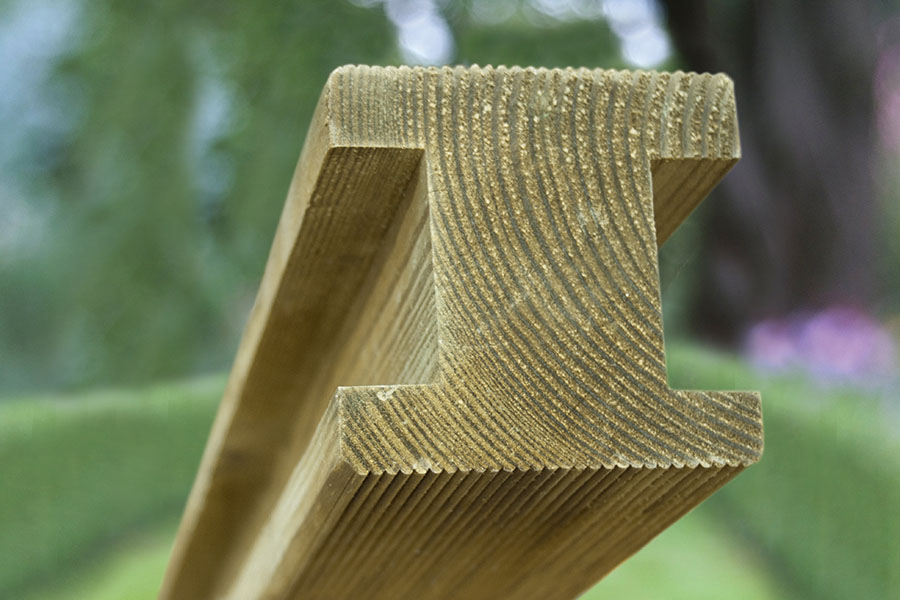
Concrete posts are another brilliant option for durability, especially in exposed spots. They’re strong, stable, and made to stand up to years of weather. There’s no one “best” answer it’s about what suits the site and the look you want.
Gravel boards: the unsung hero of a long-lasting fence
If you want your fence to look good in five years, don’t skip the base. Gravel boards sit at the bottom of the fence and help protect panels from:
• splashback from rain
• constant damp at ground level
• soil contact (especially where beds are piled up to the fence)
You can choose:
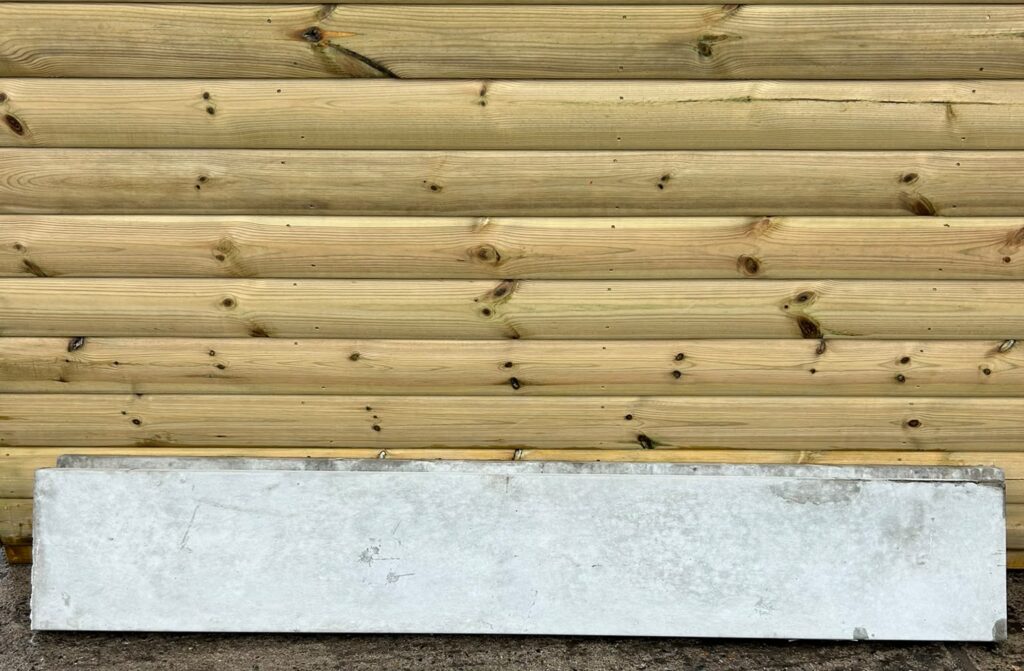
• Concrete gravel boards in different finishes, including smooth and brick-look
And one of our favourite details:
• Hedgehog hole gravel boards a small wildlife-friendly opening that helps
hedgehogs travel safely between gardens. It’s the kind of thoughtful touch that makes a boundary feel like it belongs to nature, not
just the property line.
Height and privacy: what do you actually need?
It’s tempting to think “taller is always better” but height changes the feel of a garden.
• Taller fences can give privacy, but they can also reduce light.
• In very exposed gardens, a tall, solid fence can take a battering.
If privacy is your main goal, you may be better combining a sensible fence height with:
• trellis above (lighter, softer)
• climbers (beautiful and effective)
• hedging or screening trees (natural, year-round structure)
A simple & quick way to choose (if you’re feeling stuck)
If you want a quick decision framework, try these 4 steps:
1: Pick the feeling: private and cosy, open and airy, classic and planted, or clean and contemporary.
2: Choose your structure: timber posts for warmth, concrete posts for durability.
3: Protect the base: add gravel boards (and consider the hedgehog hole if you love wildlife-friendly gardening).
4: Soften the line: trellis + climbers, or a planted boundary.
If you still need some help choosing? If you send us a photo of the boundary and your rough measurements, we can help you choose a combination that suits your garden and your site.