

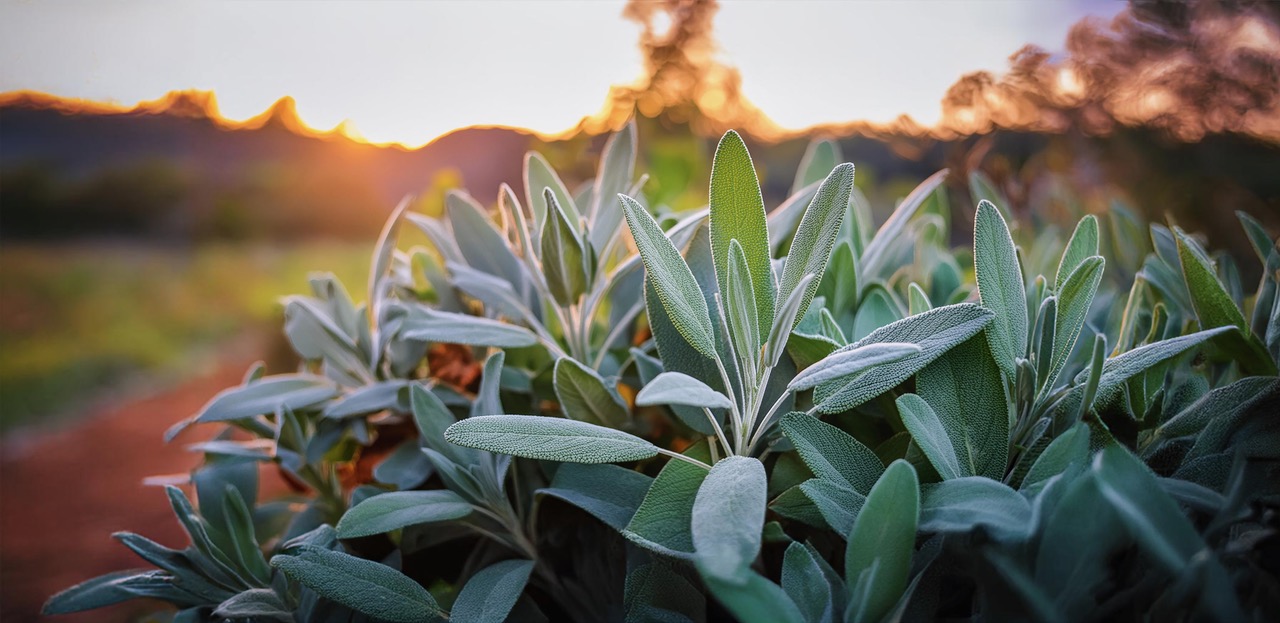
Salvia officinalis – common sage
€8.50
Description
Quick Facts
- Botanical Name: Salvia officinalis
- Common Name: Common Sage / Culinary Sage
- Plant Type: Evergreen herb / small shrub
- Habit: Bushy, woody-based clumps with aromatic leaves
- Height (approx.): 40–70cm
- Spread (approx.): 40–70cm
- Foliage: Soft, grey-green, velvety leaves; strongly aromatic
- Flowering: Late spring to summer
- Flower Colour: Usually blue-purple (varies slightly)
- Position: Full sun (best flavour and compact growth)
- Soil: Free-draining; prefers lighter soils, dislikes winter wet
- Hardiness: Very hardy
- Best For: Herb gardens, pots, sunny borders, pollinator planting, kitchen gardens, Mediterranean-style schemes
Description
Sage is one of those plants that belongs in every garden — useful, beautiful, and quietly comforting.
Salvia officinalis forms a neat evergreen mound of soft, grey-green leaves that smell wonderful the moment you brush past. It’s a kitchen staple, of course — perfect with roast vegetables, butter sauces, and autumn cooking — but it’s also a brilliant ornamental plant, bringing that silvery tone that makes everything around it look brighter and more considered.
In early summer it sends up flower spikes that bees adore, and the whole plant has that sun-warmed, Mediterranean feel that suits pots, gravel gardens, and borders alike.
Caragh Garden Notebook
Planting & position
Full sun is best — it keeps the plant compact and intensifies the fragrance and flavour. Sage is ideal for pots near the kitchen door, or planted along a warm, sunny edge.
Full sun is best — it keeps the plant compact and intensifies the fragrance and flavour. Sage is ideal for pots near the kitchen door, or planted along a warm, sunny edge.
Soil & drainage (the key to long-lived sage)
Sage hates sitting wet in winter.
Sage hates sitting wet in winter.
- Plant into free-draining soil and improve heavy ground with grit.
- In pots, use a gritty compost mix and ensure excellent drainage holes.
Watering
- Water regularly while establishing.
- Once settled, sage is drought-tolerant and prefers to dry slightly between waterings.
- Avoid overwatering, especially in cool weather.
Feeding
Sage doesn’t need much feeding. A light spring feed or a top-dress of compost is plenty. Too much richness can make growth soft and less aromatic.
Sage doesn’t need much feeding. A light spring feed or a top-dress of compost is plenty. Too much richness can make growth soft and less aromatic.
Pruning & harvesting
- Harvest little and often — it encourages fresh growth.
- After flowering (or in late spring), give it a light trim to keep it bushy and prevent it getting woody and open.
- Replace plants every few years if they become tired — sage is at its best when it’s fresh and leafy.
Pests & problems
Generally trouble-free. The main issue is winter wet leading to root problems. Good drainage solves most of it.
Generally trouble-free. The main issue is winter wet leading to root problems. Good drainage solves most of it.
Design notes
- Beautiful with lavender, thyme, rosemary, salvias, and ornamental grasses
- Perfect in gravel gardens and sunny mixed borders
- Lovely as a repeating evergreen “grey note” through planting
Related products
-
Acer plat. ‘drummondii’
Price range: €320.00 through €600.00 Select options This product has multiple variants. The options may be chosen on the product page -
Wisteria sinensis Screen
€240.00 Select options This product has multiple variants. The options may be chosen on the product page -
Acer Crimson King / Red Norway Maple
Price range: €350.00 through €950.00 Select options This product has multiple variants. The options may be chosen on the product page -
Cotoneaster ‘Cornubia’
Price range: €220.00 through €320.00 Select options This product has multiple variants. The options may be chosen on the product page