


Nolina nelsonii – Blue Bear Grass
€150.00
Frequently Bought Together
Description
Quick Facts
- Botanical Name: Nolina nelsonii
- Common Name: Blue Bear Grass
- Plant Type: Architectural evergreen (tree-like succulent perennial)
- Habit: Clump-forming rosette; fountain of narrow, blue-grey leaves
- Height (approx.): 1–2.5m over time (including flower spike when it appears)
- Spread (approx.): 0.8–1.5m
- Foliage: Stiff, strap-like leaves in a striking blue-grey tone
- Position: Full sun (best colour and form)
- Soil: Very free-draining; thrives in gritty, sandy soils
- Hardiness: Hardy in mild, well-drained sites; protect from winter wet and severe frost
- Best For: Gravel gardens, Mediterranean planting, modern courtyards, statement pots, drought-tolerant schemes
Description
If you’re after a plant that looks like it belongs in an architectural magazine, Nolina nelsonii is the one.
A bold rosette of blue-grey, strap-like leaves rises and spills outward like a living fountain — sculptural, clean-lined, and beautifully calm. It brings instant structure to gravel gardens and contemporary planting, and it looks especially striking against stone, corten steel, or pale paving where that blue tone really sings.
It’s the kind of plant that doesn’t need flowers to be a feature (though mature plants can produce a dramatic flower spike). Even on an ordinary day, it looks designed.
Caragh Garden Notebook
Where to plant it
Full sun is best — for colour, density, and overall strength. Choose a spot that’s bright and open, but in Ireland and the UK, also think about shelter from cold, wet winds.
Full sun is best — for colour, density, and overall strength. Choose a spot that’s bright and open, but in Ireland and the UK, also think about shelter from cold, wet winds.
Soil & drainage (the whole game)
Nolina nelsonii is drought-tolerant once established, but it will not tolerate winter wet.
Nolina nelsonii is drought-tolerant once established, but it will not tolerate winter wet.
- In the ground: plant into very free-draining soil and add plenty of grit/sharp sand if needed.
- On heavy soil: consider a raised bed or planting on a mound to keep the crown dry.
- In pots: use a gritty compost mix and ensure excellent drainage.
Watering
- Water in while establishing.
- After that, it prefers a lighter touch — let it dry between waterings.
- In winter, keep it on the dry side, especially in containers.
Feeding
Minimal feeding is best. A light spring feed is plenty, or simply top-dress with fresh compost/grit mix in pots.
Minimal feeding is best. A light spring feed is plenty, or simply top-dress with fresh compost/grit mix in pots.
Maintenance
Very low maintenance. You can remove older leaves as they age to keep the base tidy, but it’s not essential.
Very low maintenance. You can remove older leaves as they age to keep the base tidy, but it’s not essential.
Winter care
In our climate, the biggest risk is cold + wet. Good drainage is your best protection. In severe cold snaps, container plants can be moved to a more sheltered spot, or protected temporarily.
In our climate, the biggest risk is cold + wet. Good drainage is your best protection. In severe cold snaps, container plants can be moved to a more sheltered spot, or protected temporarily.
Design notes
- Perfect with olive trees, lavender, rosemary, euphorbia, agave-style planting, and ornamental grasses
- Looks incredible in gravel with boulders and uplighting
- A brilliant “anchor plant” — use it once, and everything around it feels more intentional
Related products
-
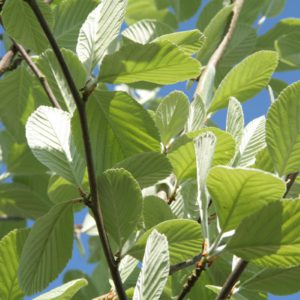
Sorbus aria Lutescens / Whitebeam
€520.00 Select options This product has multiple variants. The options may be chosen on the product page -

Carpinus betulus Fastigiata / Upright Hornbeam
Price range: €170.00 through €750.00 Select options This product has multiple variants. The options may be chosen on the product page -
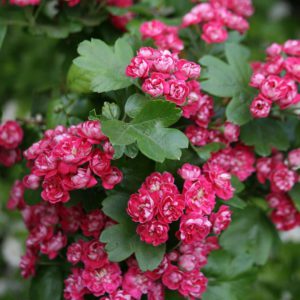
Crataegus Pauls Scarlet / Red Hawthorn
Price range: €45.00 through €240.00 Select options This product has multiple variants. The options may be chosen on the product page -
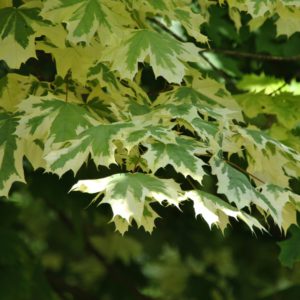
Acer plat. ‘drummondii’
Price range: €150.00 through €650.00 Select options This product has multiple variants. The options may be chosen on the product page