

Sale!




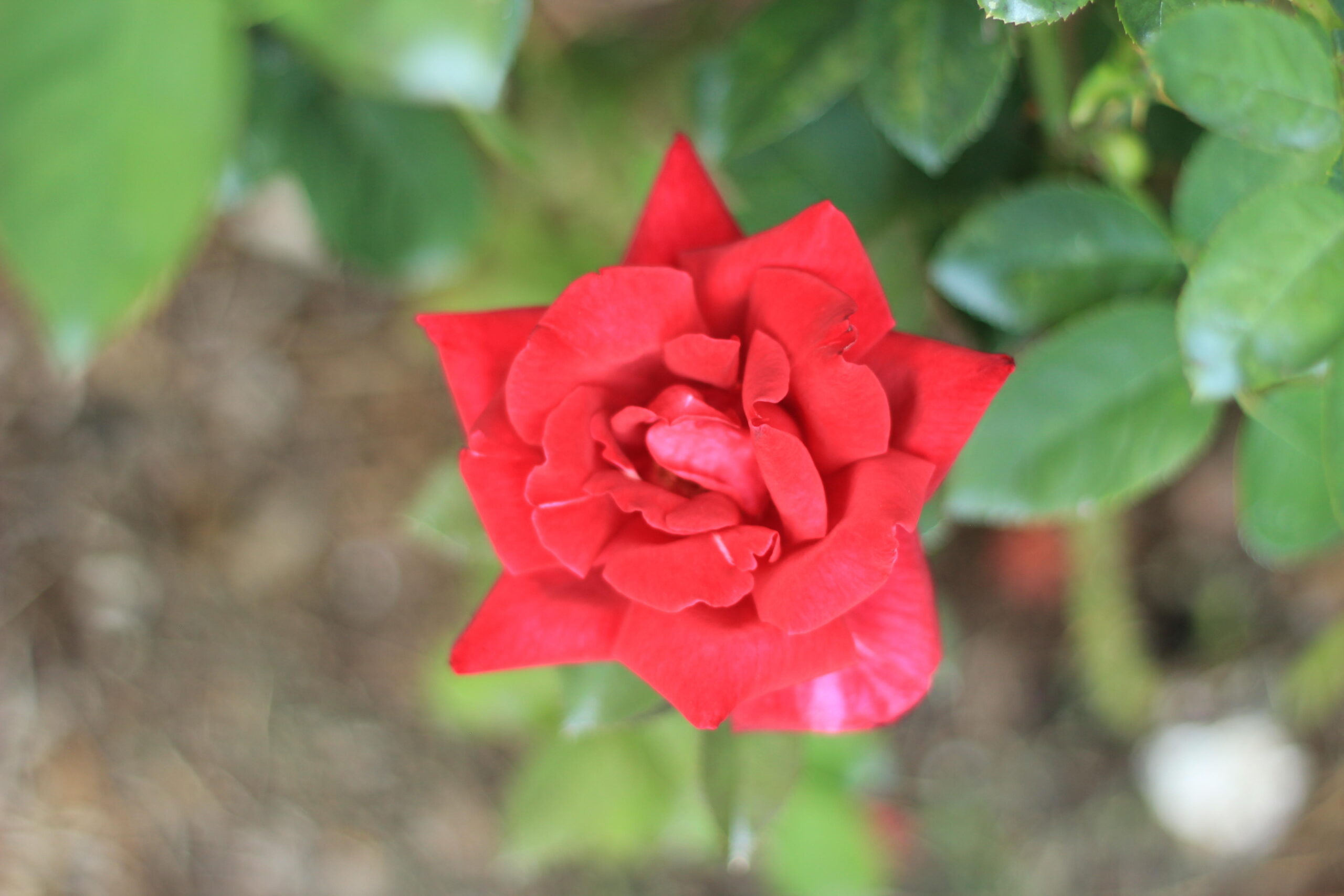
Rosa Chrysler Imperial half standard
Original price was: €30.00.€15.00Current price is: €15.00.
Frequently Bought Together
Description
For pure, classic rose glamour, it’s hard to beat Rosa ‘Chrysler Imperial’. Trained as a half standard, it becomes a real feature plant—deep, velvety crimson blooms held in a neat “lollipop” crown on a clear stem, bringing height, structure, and that unmistakable old-school elegance to patios, entrances, and formal beds.
And then there’s the fragrance: rich, traditional and wonderfully romantic. One plant near a doorway or seating area is enough to make the whole space feel special.
Quick Facts
- Botanical Name: Rosa ‘Chrysler Imperial’ (Half Standard)
- Plant Type: Hybrid Tea rose trained as a half standard
- Position: Full sun (best flowering and scent)
- Soil: Fertile, moisture-retentive but well-drained
- Stem Height: Half standard typically 90–110cm (can vary by grower)
- Flowering: Repeat flowering through summer into autumn
- Fragrance: Strong, classic rose perfume
- Great For: Pots, entrances, patios, rose beds, formal planting, gifting
Why we love it
Velvet-red, high-impact blooms
Those deep crimson flowers look luxurious against glossy green foliage—especially in evening light.
Those deep crimson flowers look luxurious against glossy green foliage—especially in evening light.
A rose you’ll actually smell
‘Chrysler Imperial’ is famed for its fragrance, making it perfect by a path, door, or outdoor seating.
‘Chrysler Imperial’ is famed for its fragrance, making it perfect by a path, door, or outdoor seating.
Instant structure in a pot
As a half standard, it gives you height and shape straight away—one plant can anchor an entire container display.
As a half standard, it gives you height and shape straight away—one plant can anchor an entire container display.
How to plant & care (Caragh Garden Notebook)
- Planting (in ground): Improve the soil with compost and plant in a sunny, open position with good air flow. Water in well.
- Planting (in a pot): Use a large, heavy container with drainage holes. Water regularly in warm weather—standards dry out faster in pots.
- Support: Stake the stem to prevent wind rock and protect the graft.
- Feeding: Feed in spring as growth starts, then again mid-season for repeat flowering.
- Pruning: In late winter/early spring, prune the crown to keep a balanced, rounded shape and encourage strong new flowering shoots.
- Deadheading: Remove spent blooms to keep flowers coming.
Styling tip
For a really striking look, underplant with soft whites and silvers (lavender, nepeta, artemisia) or go full romance with blush pinks and deep purples.
Additional information
| Pot Size |
|---|
Related products
-
Laburnum x watereri Vossii / Golden Rain Tree
Price range: €245.00 through €580.00 Select options This product has multiple variants. The options may be chosen on the product page -
Acer Crimson King / Red Norway Maple
Price range: €350.00 through €950.00 Select options This product has multiple variants. The options may be chosen on the product page -

Hebe ‘Red Edge’
€8.50 Select options This product has multiple variants. The options may be chosen on the product page -

Ilex Nellie Stevens Standard Espalier
€1,150.00 Select options This product has multiple variants. The options may be chosen on the product page