

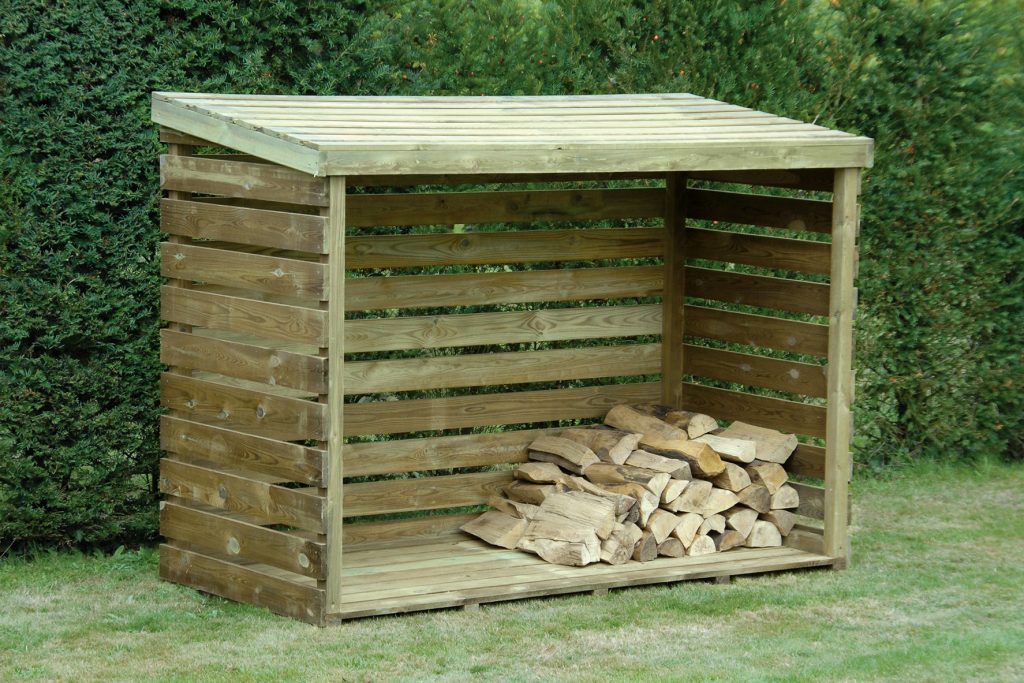
Log Store
€465.00
Description
Quick Facts
Product Name: Log Store
Material: Pressure-treated timber
Product Type: Outdoor firewood storage with slatted sides and roof
Dimensions: 200cm wide × 90cm deep × 140cm high (front) / 150cm high (rear)
Construction: Planed timber frame with slatted sides and angled roof
Roof Design: Sloped roof (back to front) for water run-off
Ventilation: Slatted sides for airflow and seasoning
Finish: Natural pressure-treated timber (can be painted or stained)
Durability: Pressure-treated for long-lasting outdoor use
Assembly: Requires assembly (check on collection/delivery for details)
Material: Pressure-treated timber
Product Type: Outdoor firewood storage with slatted sides and roof
Dimensions: 200cm wide × 90cm deep × 140cm high (front) / 150cm high (rear)
Construction: Planed timber frame with slatted sides and angled roof
Roof Design: Sloped roof (back to front) for water run-off
Ventilation: Slatted sides for airflow and seasoning
Finish: Natural pressure-treated timber (can be painted or stained)
Durability: Pressure-treated for long-lasting outdoor use
Assembly: Requires assembly (check on collection/delivery for details)
Description
The Log Store is built for keeping firewood dry, well-ventilated, and neatly organized—the kind of practical garden structure that does its job quietly and looks good doing it. At 200cm wide and 90cm deep, it holds a serious amount of wood (approximately 2–3 cubic metres depending on how you stack it), making it ideal for households with wood burners, open fires, or outdoor fire pits that get regular use through autumn and winter.
The sloped roof (140cm high at the front, 150cm at the rear) sheds rain and snow effectively, keeping the top layer of logs dry even in heavy weather. The slatted sides are the key to good log storage—they allow air to circulate freely around the wood, which is essential for seasoning green logs or keeping seasoned logs in top condition. Solid-sided storage traps moisture and encourages rot and mould; slatted sides let the wood breathe.
The planed timber construction gives a clean, well-made finish that looks intentional rather than makeshift. The pressure-treated timber is built for outdoor life year-round—it’ll sit happily in the garden, against a wall, or tucked into a corner without rotting or deteriorating. Left natural, it weathers to a soft silver-grey that blends quietly into the background. Painted or stained, it can become a feature—dark charcoal for a contemporary look, or soft greens and greys to blend with planting.
The 90cm depth is generous—it means you can stack logs front-to-back in two rows if needed, maximizing storage without the log store taking up too much width. The 200cm width gives you plenty of horizontal space to organize logs by size or type, or to store kindling and firelighters alongside the main stack.
This is a log store for people who use their fires regularly and want wood that’s dry, ready to burn, and easy to access. It’s practical, well-built, and does the job properly.
Caragh Garden Notebook
Installation & Preparation
Site Selection:
- Choose a location with good drainage—avoid areas where water pools or ground stays waterlogged
- Position on a level surface: paving, gravel, compacted soil, or concrete
- Ideally, place in a spot with some shelter from prevailing winds but still open enough for airflow (e.g., against a wall or fence, but not in a completely enclosed corner)
- Avoid placing directly under trees where dripping water and falling leaves will keep logs damp
- Consider access—you’ll be carrying logs to and from the store regularly, so keep it reasonably close to the house or fire pit
Ground Preparation:
- Paving or concrete: Ideal—provides a dry, level base and prevents ground moisture rising into the logs
- Gravel: Excellent drainage; lay a weed-suppressing membrane first, then 5–10cm of gravel
- Compacted soil: Workable, but raise the log store slightly on bricks or timber bearers to prevent the base sitting in damp soil
- Decking: Suitable, but ensure the decking can take the weight (logs are heavy when fully stocked)
Raising the Base:
- Even on paving or gravel, consider raising the log store base slightly (2–5cm) using bricks, paving slabs, or treated timber bearers
- This creates an air gap underneath, improving ventilation and preventing the bottom layer of logs sitting in any surface water
- It also protects the timber base from constant ground contact, extending the life of the log store
Assembly:
- Follow assembly instructions carefully; work on a flat surface
- Use galvanised screws throughout (supplied screws may need upgrading for longevity)
- Pre-drill all screw holes to prevent splitting
- Have a second person help—the structure is easier to assemble and align with assistance
- Check the frame is square and level before final tightening
- Ensure the roof is securely fixed and slopes correctly (front to back) for water run-off
Securing the Structure:
- For exposed or windy sites, consider securing the log store to the ground or wall
- Use L-brackets or metal stakes to fix the base to paving or the frame to a wall
- This prevents the structure shifting or toppling when fully loaded (logs add significant weight, but wind can still catch the slatted sides)
Using Your Log Store
Stacking Logs:
- Stack logs bark-side up if possible—this sheds water better than cut ends facing up
- Leave small gaps between logs to allow airflow; don’t pack them too tightly
- Stack in rows front-to-back, or in a crisscross pattern for stability
- Keep the stack slightly lower than the roof to ensure the roof protects all the wood
- Don’t stack logs against the back wall—leave a small gap (5–10cm) for airflow
Seasoning Green Logs:
- Freshly cut (green) logs need 1–2 years to season properly before burning
- The log store’s slatted sides and roof make it ideal for seasoning—airflow is key
- Split logs before stacking (split wood seasons faster than whole logs)
- Stack bark-side up; ensure good airflow around all sides
- Check moisture content with a moisture meter—logs are ready to burn at 20% moisture or below
Storing Seasoned Logs:
- Keep seasoned logs separate from green logs (use different sections of the log store, or a separate store)
- Seasoned logs should be kept as dry as possible—the roof and slatted sides protect from rain while allowing airflow
- Rotate stock—use older logs first, add new seasoned logs to the back or side
Kindling & Firelighters:
- Use the top shelf (if fitted) or one end of the log store for kindling, firelighters, and fire-starting tools
- Keep kindling dry and easily accessible
- Store in a basket or crate for easy transport to the fire
Winter Access:
- Keep a small supply of logs indoors or under cover near the house for easy access in bad weather
- Restock from the main log store during dry spells
- Clear snow from the roof to prevent excessive weight and ensure water run-off
Maintenance
Initial Treatment:
- The log store arrives pressure-treated and ready to use
- For enhanced protection and appearance, allow timber to weather for 6–12 months before painting or staining
- Clean with a stiff brush; apply exterior-grade timber preservative, decking oil, or wood stain
- Pay particular attention to the roof (most exposed to weather) and the base (in contact with ground moisture)
Annual Maintenance:
- Spring: Inspect the structure for stability; check fixings and tighten if needed
- Treatment: Apply a fresh coat of preservative, oil, or stain annually to maintain protection
- Cleaning: Remove debris, leaves, moss, or algae from the roof and slatted sides
- Roof check: Ensure the roof is shedding water correctly and isn’t sagging or damaged
- Base check: If raised on bearers or bricks, ensure they’re still level and stable
- Clear vegetation: Trim back plants or grass growing around the log store to maintain airflow
Seasonal Checks:
- Autumn: Clear fallen leaves from the roof and slats before winter
- Winter: Check the roof after heavy snow; clear excessive weight if needed
- Spring: Empty the log store completely once a year to check the base and clear any debris or moisture build-up
Longevity:
With proper installation (raised base, good drainage) and annual treatment, expect 10–15 years of service. The slatted construction and sloped roof help shed water and reduce rot, extending the lifespan compared to solid-sided storage.
Related products
-
Apex Roof Shed – Extra Large Sizes
Price range: €1,925.00 through €4,536.00 Select options This product has multiple variants. The options may be chosen on the product page -
Rathdrum Log Store
Price range: €1,470.00 through €1,985.00 Select options This product has multiple variants. The options may be chosen on the product page -
Virginia Shed
Price range: €1,865.00 through €2,900.00 Select options This product has multiple variants. The options may be chosen on the product page -
Pent Roof Shed – Small Sizes
Price range: €600.00 through €1,350.00 Select options This product has multiple variants. The options may be chosen on the product page