

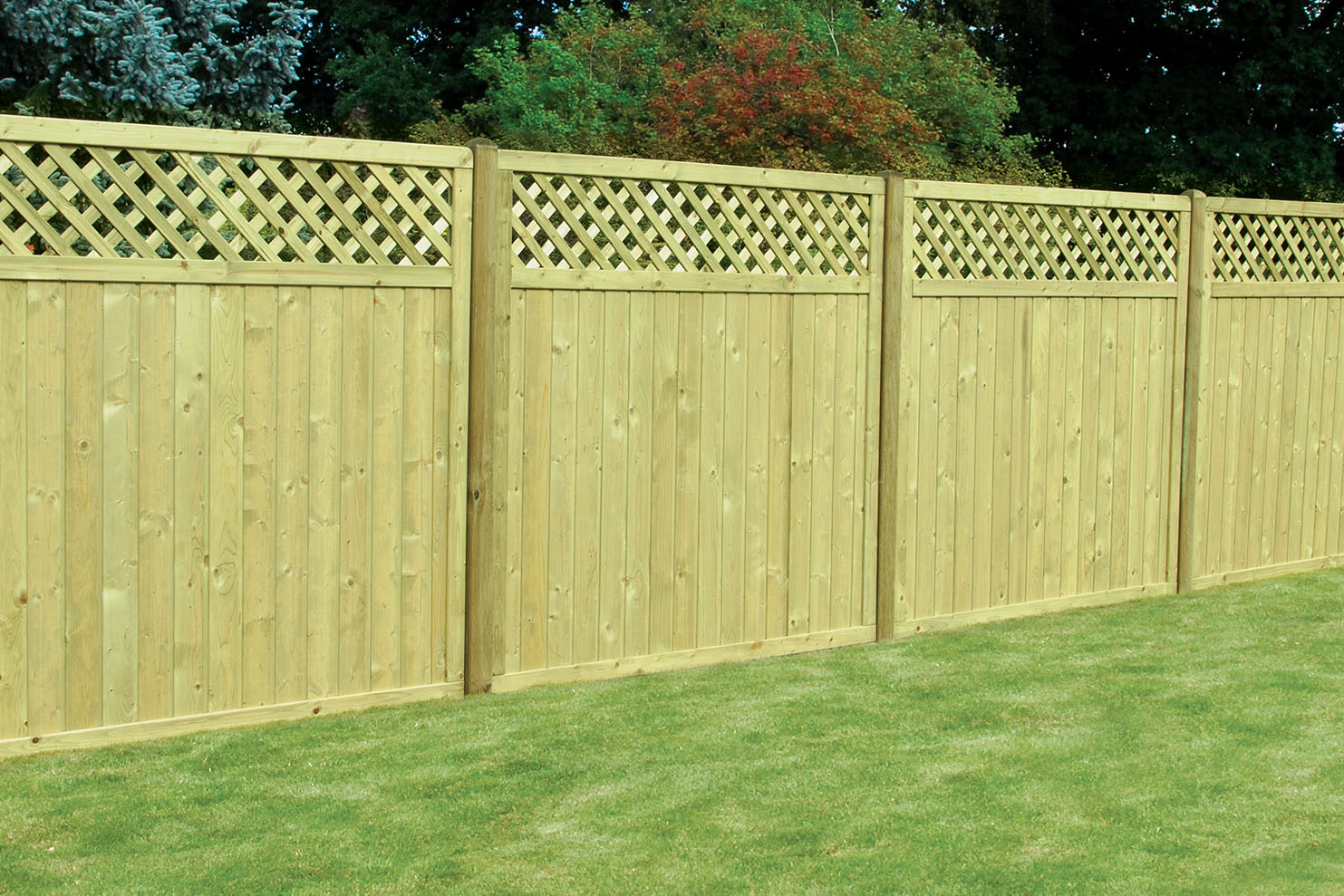
Tongue & Groove Lattice Top Panels
€198.00
Description
Solid privacy where you need it, light where you don’t, a full-height panel that never feels heavy. Pressure treated and ready to fit, for gardens across Ireland.
Why Choose a Tongue and Groove Lattice Top Panel?
If you want privacy without feeling closed in, this panel does the clever work of giving you both. The lower section is solid tongue and groove boarding tight-fitting vertical slats that provide complete privacy and real wind protection. The upper section switches to a diamond lattice, opening the panel up to let light through, reduce wind load, and give the fence a lighter, more decorative finish.
Key benefits
– Solid tongue and groove boarding below — complete privacy and wind protection
– Decorative diamond lattice above — light, airflow, and a softer boundary line
– Smooth, uniform surface that looks clean and well-made from both sides
– Planed timber frame and tight joinery — built to last, not just fill a gap
– Pressure treated and ready to fit on delivery
– The lattice is ideal for training climbers through for seasonal colour
What Makes Tongue and Groove Different from Standard Fencing?
The tongue and groove construction is what sets this panel apart from standard featherboard or overlap panels. Each board slots neatly into the next with no gaps, creating a smooth, uniform surface that looks clean and intentional from both sides — and because there are no laps, there are no gaps for the wind to get behind.
The lattice top does real work too. It cuts the wind load on the fence a genuine advantage in exposed Irish gardens while letting more light into the space. Painted or stained, the two-tone design can be emphasised beautifully: a dark lower section with a lighter lattice, or vice versa, gives the fence a designed, considered look. Left natural, the timber weathers to a soft silver-grey.
Specification
– Dimensions: 180cm wide × 180cm high
– Lower section: solid vertical tongue and groove boards (complete privacy)
– Upper section: diamond lattice pattern (decorative, semi-open)
– Frame: planed timber construction
– Material: pressure-treated timber
– Finish: natural (can be painted or stained)
– Fixings: not included — posts and concrete/post spikes required
Tongue and Groove Panels for Irish Gardens
Built with Irish conditions in mind, these panels are pressure treated throughout for rot and weather resistance — exactly what a garden in Ireland needs, where rain and wind do their worst over a fence’s lifetime. The lattice top is a genuine practical benefit through the windier months, reducing the load on the structure while the solid tongue and groove below keeps your garden private and sheltered.
We supply tongue and groove fence panels nationwide across the island of Ireland and our team can confirm availability and delivery to your county or postcode.
Which Fence Panel Is Right for My Garden?
– Privacy with light: The Tongue and Groove Lattice Top Panel is the ideal balance full privacy below, openness above.
– Exposed or high-wind gardens common along Irish coasts: the reduced wind load of the lattice top helps, but for genuinely exposed sites we can advise on heavier-duty closeboard options.
– Boundaries viewed from both sides: the smooth tongue and groove surface looks tidy and well-made from both gardens.
– Patios, screening, and defined zones: this panel is perfect for enclosing a patio, screening a boundary, or creating separate areas within a larger space.
Caragh’s Garden Notebook
This is the panel for gardens that need privacy without feeling closed in — the kind of fencing that looks intentional and well-crafted. Because the lower section is solid tongue and groove, it offers genuinely better privacy and wind shelter than overlap panels; because the top is lattice, the space above still feels open and light. Use timber posts set in concrete footings for a permanent, stable build, or heavy-duty metal post spikes for a quicker job on firm ground — and always keep the panels clear of direct ground contact to avoid rot. The lattice top is a wonderful surface for training a climber through — jasmine, clematis, or a rambling rose — adding seasonal colour and interest to the boundary. Paint or stain to suit, or let it weather naturally to silver-grey. With proper installation and a little annual care, you’ll get ten to fifteen years and more from these panels.
Additional information
| Size | 180cm W x 180cm H |
|---|
Related products
-
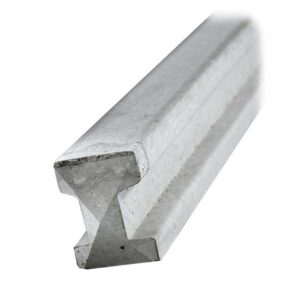
Concrete H Posts for fence panels
Price range: €31.50 through €35.00 Select options This product has multiple variants. The options may be chosen on the product page -
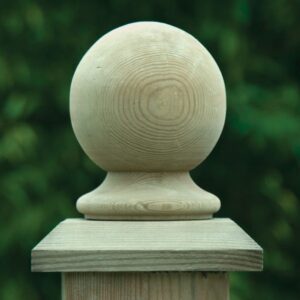
Fence Post Finials
Price range: €4.00 through €4.50 Select options This product has multiple variants. The options may be chosen on the product page -
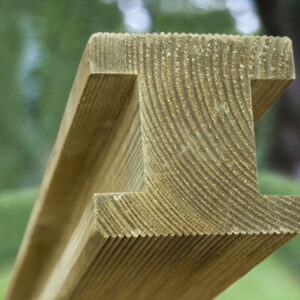
Planed and Ribbed Pine H Post
€34.50 Select options This product has multiple variants. The options may be chosen on the product page -
Twin Side Waney Edge Fence Panels (Pressure Treated)
Price range: €45.00 through €54.00 Select options This product has multiple variants. The options may be chosen on the product page