
Salix hybrid – Living Willow Sculptures
€125.00
Frequently Bought Together
Description
Quick Facts
- Common Name: Living Willow Sculpture, Living Willow Feature
- Botanical Name: Salix hybrid (living willow, trained form)
- Plant Type: Deciduous, living woven willow sculpture (trained young stems)
- Mature Height: Typically 1.1m+ (depends on annual trimming)
- Mature Spread: Typically 60cm
- Season of Interest: Year-round structure; strongest colour in winter stems
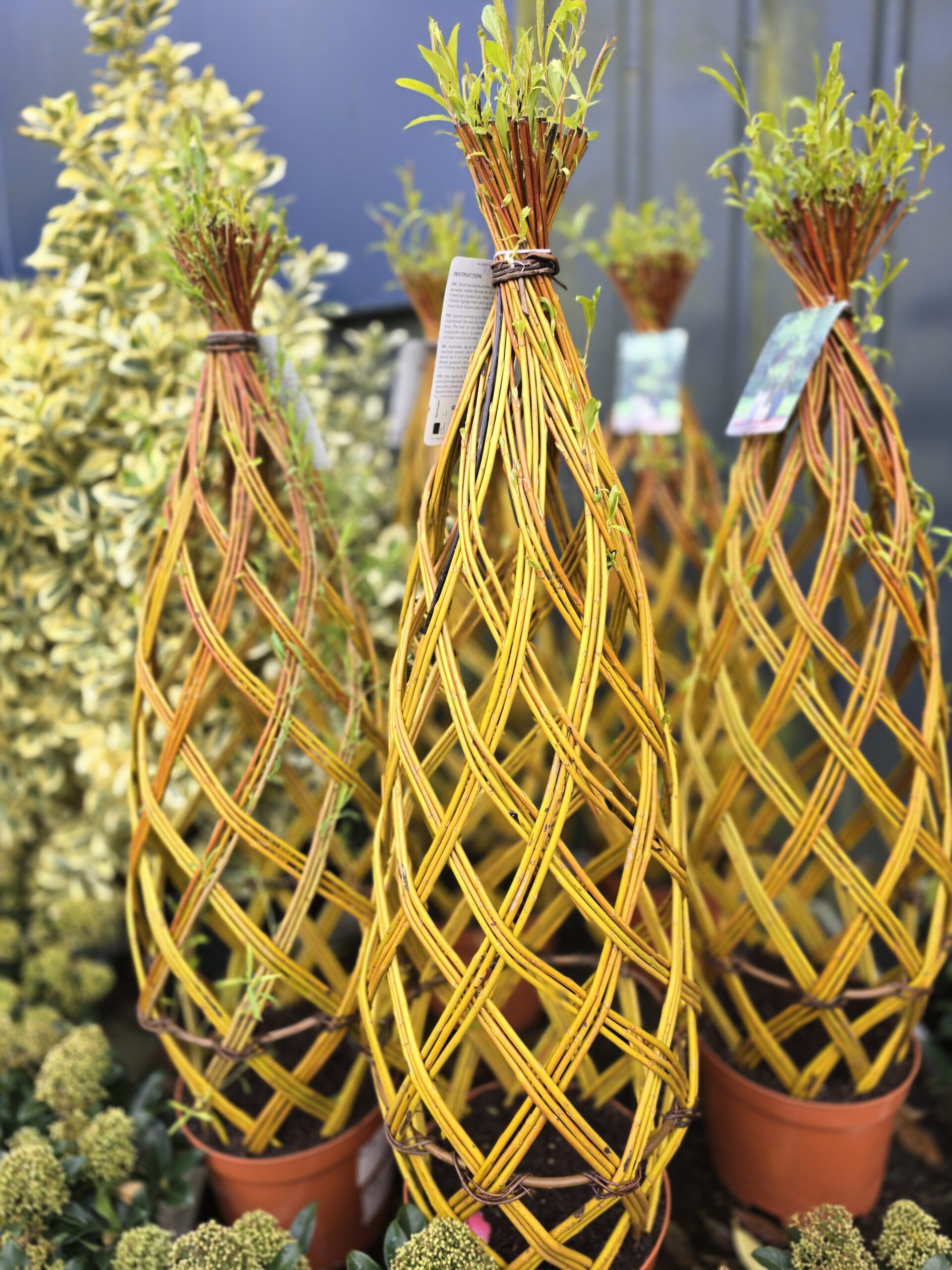
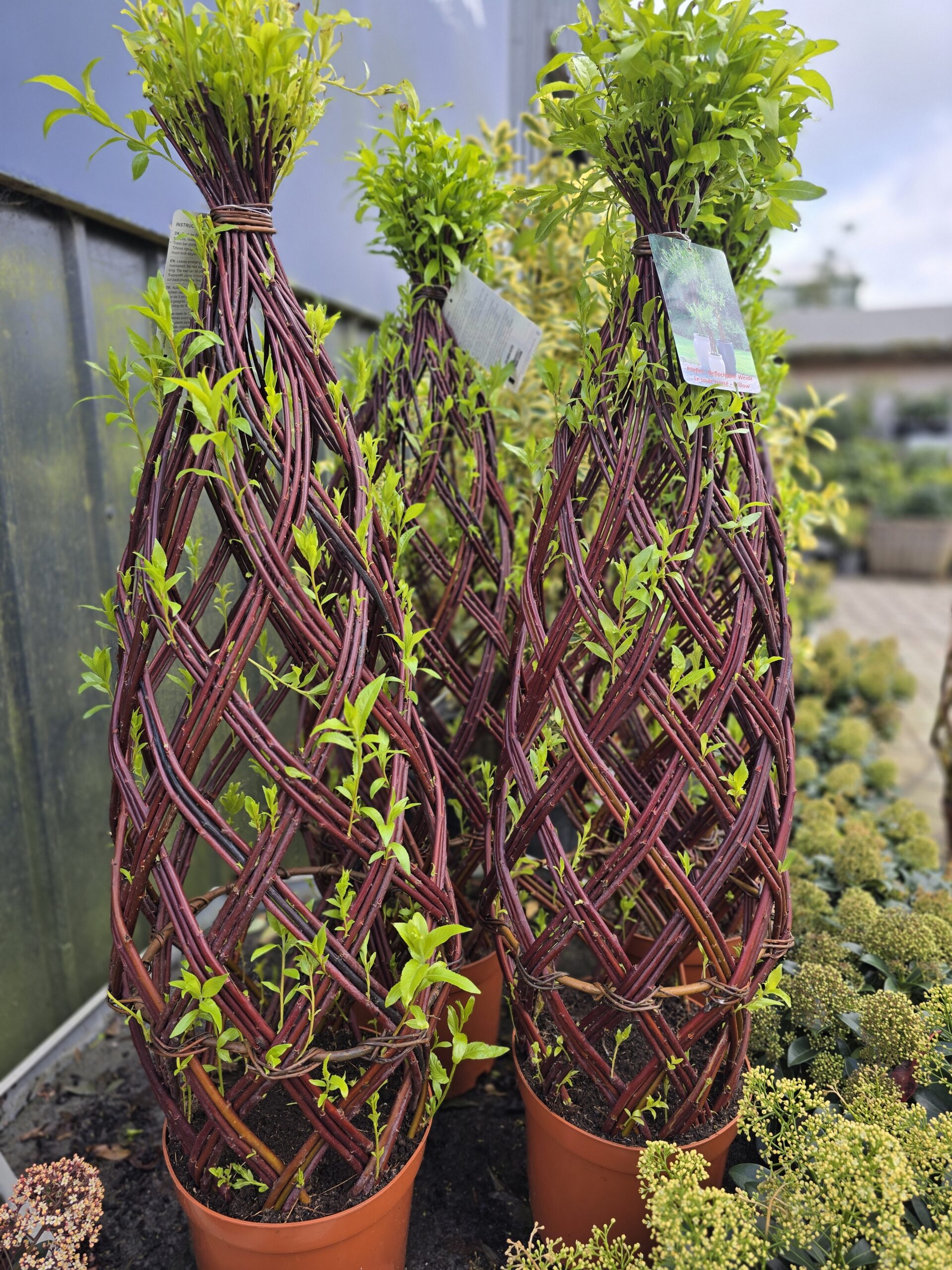
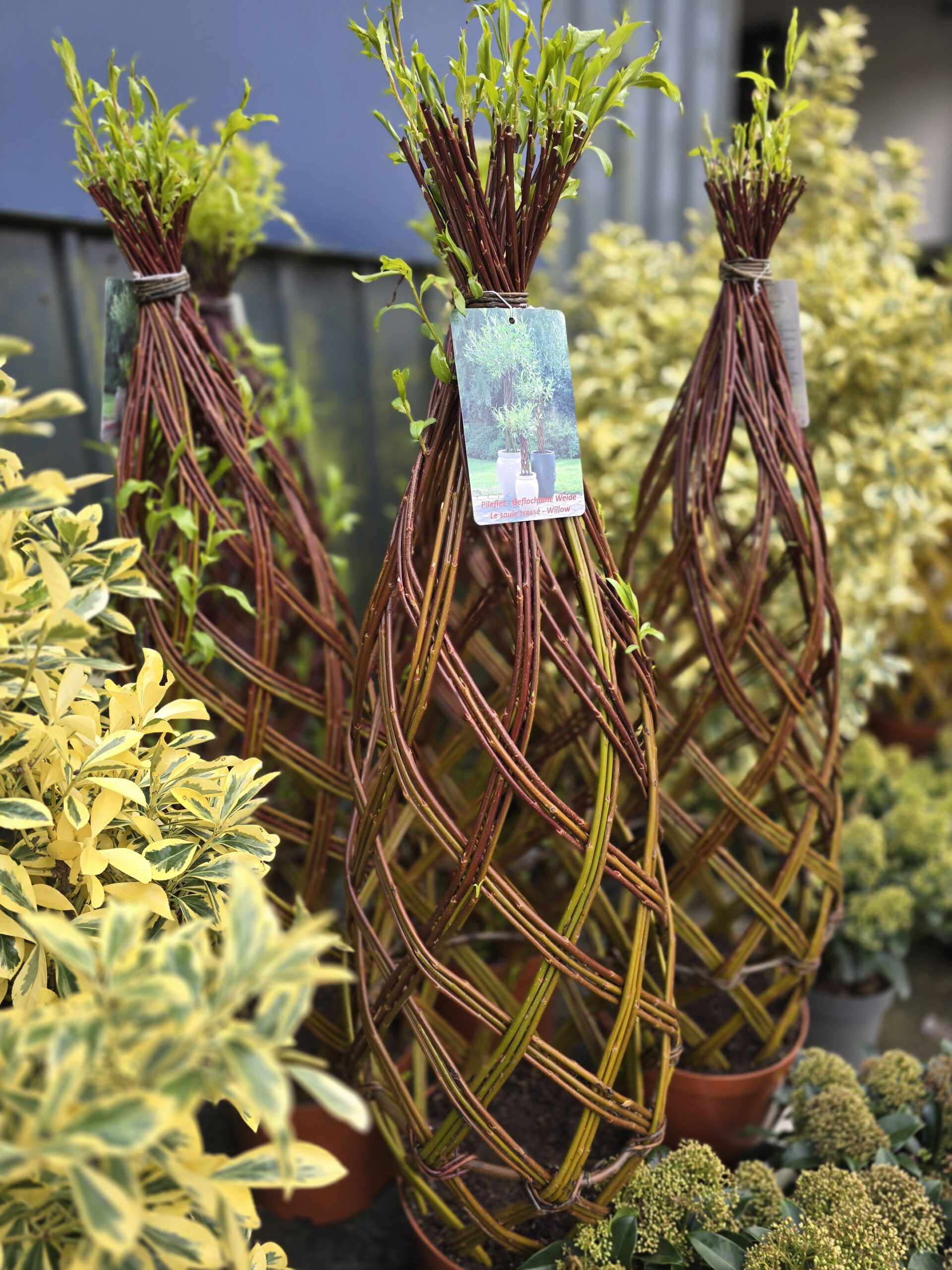
- Stem Colour Options: Red, Yellow, and Bicolour
- Hardiness: Very hardy (UK & Ireland)
- Soil Requirements: Moist, fertile soil; tolerant of heavier ground
- Aspect: Full sun to part shade
- Maintenance: Low–moderate (watering to establish; annual trim/tie-in)
Description
Our Living Willow Sculptures are garden features with a heartbeat—hand-trained, woven forms made from vigorous young willow stems that continue to grow and thicken over time. They bring instant structure to a new space, and then quietly evolve with the seasons: fresh green growth in spring, soft movement in summer breezes, and beautifully coloured stems that glow through winter.
These are living pieces of garden craft—perfect for creating a focal point, shaping a pathway moment, or adding height and privacy without anything feeling heavy or permanent. Set one into a border, a lawn edge, a gravel garden, or a large pot, and you’ll have a feature that feels both playful and timeless.
Because they’re willows, they’re naturally tough, fast to establish, and forgiving—especially in Irish and UK gardens where moisture is often part of the story.
Caragh Garden Notebook
Planting:
Plant in autumn through spring (avoiding frozen ground) for best establishment. Choose a spot with moisture-retentive soil—willow loves a drink, especially in its first season. Dig a generous hole, improve with compost, plant firmly, water deeply, and mulch well. If planting in a pot, choose a large container and water regularly in summer.
Plant in autumn through spring (avoiding frozen ground) for best establishment. Choose a spot with moisture-retentive soil—willow loves a drink, especially in its first season. Dig a generous hole, improve with compost, plant firmly, water deeply, and mulch well. If planting in a pot, choose a large container and water regularly in summer.
Watering (especially year one):
Keep consistently moist while establishing—particularly in dry spells or if grown in containers. Once settled, willow is very resilient, but it will always look its best with reliable moisture.
Keep consistently moist while establishing—particularly in dry spells or if grown in containers. Once settled, willow is very resilient, but it will always look its best with reliable moisture.
Training & Trimming (the simple rhythm):
- In late winter/early spring, give a tidy trim to keep the shape crisp.
- During the growing season, you can lightly trim and tie in any long whips to maintain the woven form.
- If you want a thicker, more sculptural look over time, allow some growth each year before trimming back.
Soil & Position:
Moist, fertile soil is ideal, but these are adaptable and will tolerate heavier ground. Full sun brings the strongest stem colour; part shade is fine too.
Moist, fertile soil is ideal, but these are adaptable and will tolerate heavier ground. Full sun brings the strongest stem colour; part shade is fine too.
Pests & Problems:
Generally easy. Aphids can appear on soft new growth—usually short-lived and managed by encouraging garden predators (ladybirds, birds) or a gentle hose-down. The main “problem” is simply letting it dry out in a pot.
Generally easy. Aphids can appear on soft new growth—usually short-lived and managed by encouraging garden predators (ladybirds, birds) or a gentle hose-down. The main “problem” is simply letting it dry out in a pot.
Design Notes:
Use as a living focal point in a border, to frame an entrance, soften a corner, or create a little garden “moment” near seating. Brilliant in family gardens—there’s something irresistible about a sculpture you can watch grow.
Use as a living focal point in a border, to frame an entrance, soften a corner, or create a little garden “moment” near seating. Brilliant in family gardens—there’s something irresistible about a sculpture you can watch grow.
Related products
-
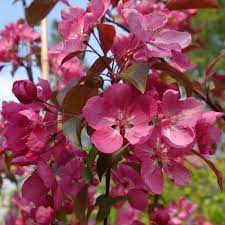
Malus Rudolph / Crab apple Rudolph
€75.00 Select options This product has multiple variants. The options may be chosen on the product page -
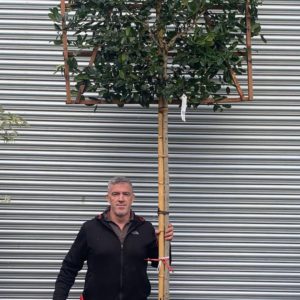
Ilex Nellie Stevens Standard Espalier
Price range: €625.00 through €650.00 Select options This product has multiple variants. The options may be chosen on the product page -

Salix babylonica ‘Aurea’
€165.00 Select options This product has multiple variants. The options may be chosen on the product page -
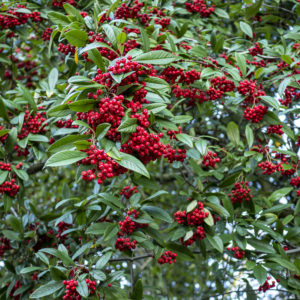
Cotoneaster ‘Cornubia’
Price range: €220.00 through €400.00 Select options This product has multiple variants. The options may be chosen on the product page