

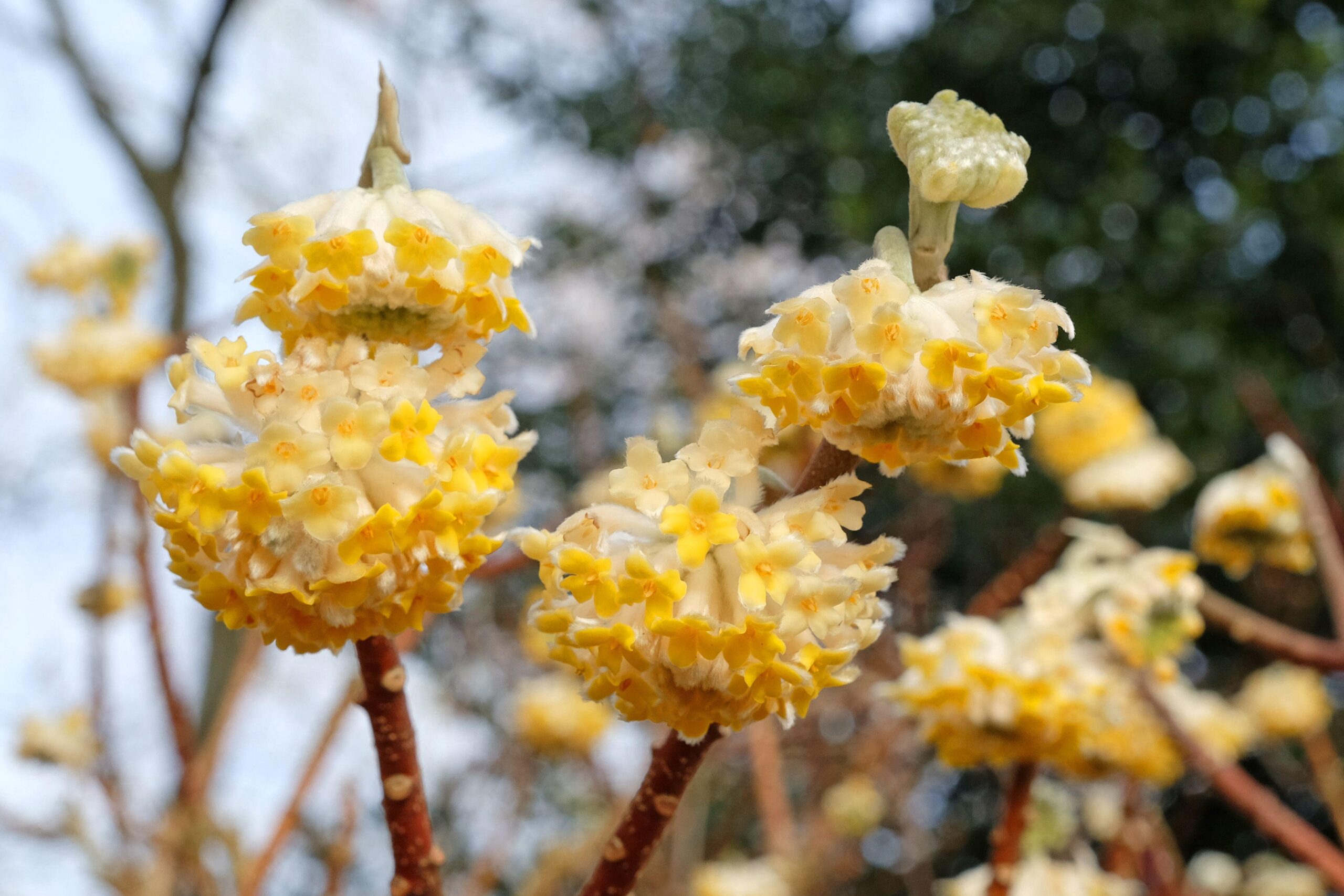
Edgeworthia chrys. Grandiflora
€95.00
Description
Botanical Name: Edgeworthia chrysantha ‘Grandiflora’
Common Name: Paperbush / Edgeworthia ‘Grandiflora’
Plant Type: Deciduous shrub
Position: Partial shade to full sun (best in dappled shade); sheltered spot
Soil: Moist, humus-rich, well-drained soil; slightly acidic to neutral
Ultimate Height/Spread: Approx. 1.5–2m x 1.5–2m
Growth Rate: Moderate
Foliage: Large, soft green leaves (tropical feel in summer)
Flowering: Late winter to early spring; clusters of golden-yellow, highly fragrant flowers on bare stems
Hardiness: Hardy in mild areas; protect from harsh winds and hard frosts
Common Name: Paperbush / Edgeworthia ‘Grandiflora’
Plant Type: Deciduous shrub
Position: Partial shade to full sun (best in dappled shade); sheltered spot
Soil: Moist, humus-rich, well-drained soil; slightly acidic to neutral
Ultimate Height/Spread: Approx. 1.5–2m x 1.5–2m
Growth Rate: Moderate
Foliage: Large, soft green leaves (tropical feel in summer)
Flowering: Late winter to early spring; clusters of golden-yellow, highly fragrant flowers on bare stems
Hardiness: Hardy in mild areas; protect from harsh winds and hard frosts
The winter shrub that stops you in your tracks
Edgeworthia chrysantha ‘Grandiflora’ is one of those plants that feels like a secret you can’t wait to share. In late winter, when the garden is still quiet, it produces rounded clusters of golden, honey-scented flowers on bare stems — the kind of fragrance you notice before you even see it.
Come spring and summer, it shifts again, filling out with lush, broad leaves that bring a soft, almost exotic texture to borders. It’s a brilliant choice for anyone who wants a garden with real seasonal moments — not just summer colour.
Where it thrives best
Edgeworthia loves a sheltered position with moisture-retentive, well-drained soil. Dappled shade is ideal (think woodland edge), though it can take more sun if the soil doesn’t dry out. Avoid exposed, windy sites — the flower buds and stems appreciate protection.
Styling ideas
- Perfect near a path, doorway or patio where you’ll enjoy the winter fragrance
- Beautiful with hellebores, snowdrops, ferns and early bulbs for a woodland feel
- Pair with evergreen structure (yew, ilex, sarcococca) to make the winter flowers pop
Caragh Garden Notebook
- Watering: Keep evenly moist while establishing; don’t let it dry out in spring/summer.
- Mulch: Mulch annually with leaf mould or compost to feed the soil and protect roots.
- Pruning: Minimal — simply remove dead or damaged wood after flowering.
- Top tip: Choose the planting spot carefully; it prefers not to be moved once settled.
Additional information
| Pot Size |
|---|
Related products
-
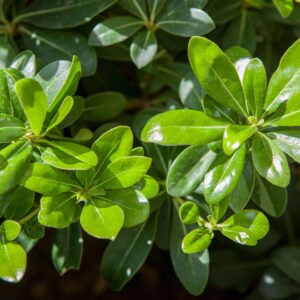
Pittosporum tobira ‘Nana’ Ball / Japanese Mock Orange
Price range: €20.00 through €95.00 Select options This product has multiple variants. The options may be chosen on the product page -
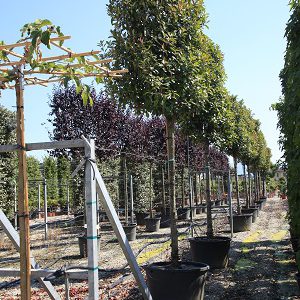
Photinia Red Robin Standard Pleached / Espalier
Price range: €390.00 through €550.00 Select options This product has multiple variants. The options may be chosen on the product page -
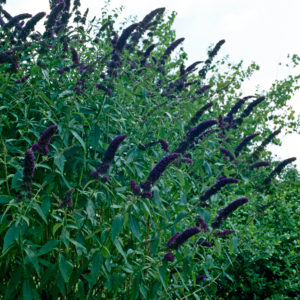
Buddleja Black Knight
€12.50 Select options This product has multiple variants. The options may be chosen on the product page -
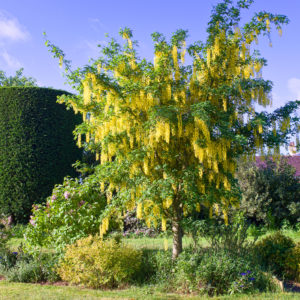
Laburnum x watereri Vossii / Golden Rain Tree
Price range: €245.00 through €580.00 Select options This product has multiple variants. The options may be chosen on the product page