


Viburnum plicatum Mariesii
€15.00
Frequently Bought Together

Description
One of the most elegant flowering shrubs you can add to a garden. Viburnum plicatum ‘Mariesii’ is famous for its beautifully layered, horizontal branches and its long, lacecap-style white flowers that sit like little plates along each tier in late spring to early summer. It has a calm, architectural presence — the kind of shrub that makes a border feel designed, even when everything else is a little wild.
As the season moves on, it can produce red berries that deepen to black, and the foliage often finishes with rich autumn tones.
Why we love it
- Stunning tiered, architectural shape (a true statement shrub)
- Lacecap white flowers in late spring/early summer
- Often followed by berries that add wildlife value
- Autumn colour for a second season of interest
- A perfect focal point for woodland edges and mixed borders
Where to plant it
Give it a spot in sun or partial shade where you can appreciate the shape — it’s ideal as a focal point in a border, at the edge of a woodland garden, or as a feature near a path. It prefers moist, well-drained soil and doesn’t love extremes: avoid very dry, exposed sites if you can.
Style notes (pairing ideas)
Beautiful with:
- Acers, hydrangeas, camellias for a soft woodland feel
- Ferns and shade perennials beneath to echo its layered form
- Spring bulbs (snowdrops, narcissus) weaving through for seasonal rhythm
Caragh Garden Notebook
Planting
- Plant into fertile, moisture-retentive but well-drained soil.
- Improve with compost/leaf mould, especially in lighter soils.
- Water in well and mulch to conserve moisture.
Light
- Best in full sun to partial shade.
- In warmer, drier gardens, morning sun with afternoon shade helps keep it lush and reduces stress.
Watering
- Water regularly in the first year while establishing.
- Keep an eye on it during dry spells — consistent moisture supports flowering and berrying.
Feeding
- A spring mulch is usually enough.
- If growth is weak, apply a balanced feed in spring.
Pruning
- Minimal pruning needed.
- If shaping is required, prune lightly after flowering.
- Remove dead, damaged, or crossing branches in late winter.
Hardiness
- Hardy in Ireland and the UK.
- Protect from very exposed winds to preserve the tiered structure and spring flowers.
Top tip
This is a shrub to frame, not hide — give it breathing space and a calm backdrop, and the layered branches will do the rest.
Additional information
| Pot Size |
|---|
Related products
-
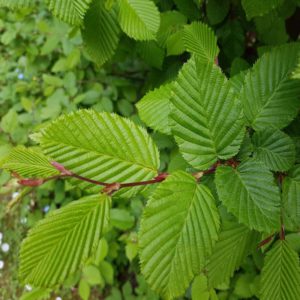
Carpinus betulus / Hornbeam
Price range: €320.00 through €750.00 Select options This product has multiple variants. The options may be chosen on the product page -
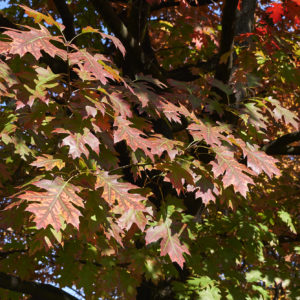
Quercus rubra / Red Oak
€225.00 Select options This product has multiple variants. The options may be chosen on the product page -
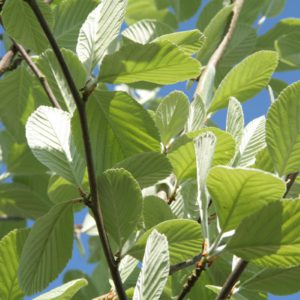
Sorbus aria Lutescens / Whitebeam
€520.00 Select options This product has multiple variants. The options may be chosen on the product page -
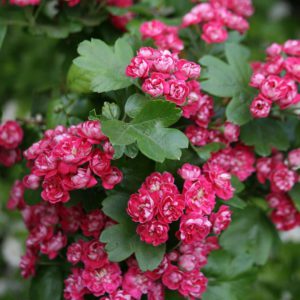
Crataegus Pauls Scarlet / Red Hawthorn
Price range: €45.00 through €240.00 Select options This product has multiple variants. The options may be chosen on the product page