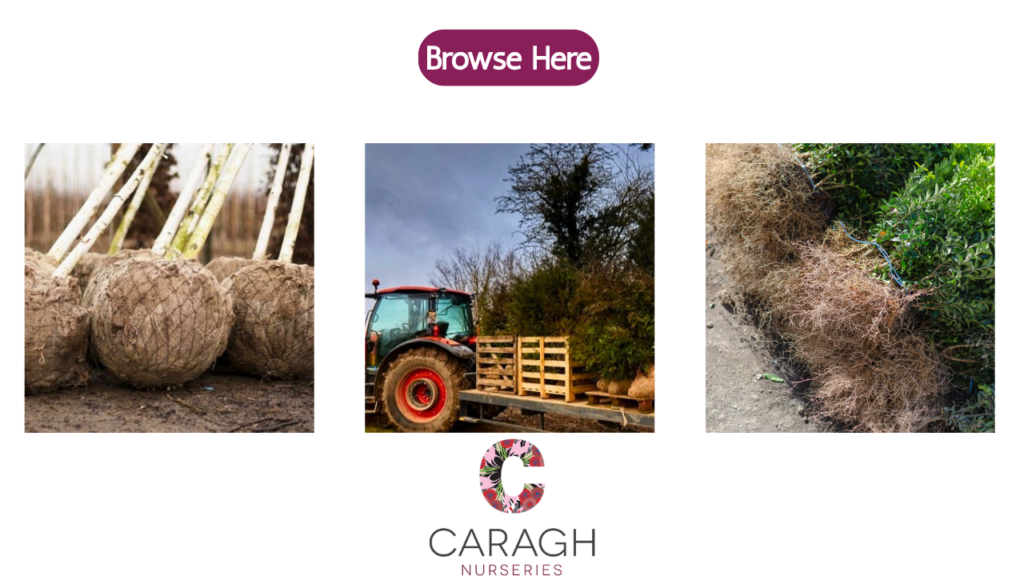

Rootballed vs Bare-Root is one of the questions we are asked most often as autumn arrives and the planting season begins here at the nursery. And it’s a very good question, because understanding the difference can help you choose the right trees and hedging for your garden.
Autumn is always a lovely time of year in the nursery. The leaves begin to turn, the pace of growth slows, and our trees and hedging gradually move towards dormancy. It’s also the beginning of one of the most important planting periods of the year.
Whether you’re planning a new hedge, adding a few beautiful trees or creating a more established feel in your garden, both bare-root and rootballed plants have their advantages.
So, what’s the difference, and which should you choose? Let me explain.
Rootballed vs Bare-Root: What’s the Difference?
The main difference between bare-root and rootballed trees is simply how they are lifted from the field and how their roots are protected before planting.
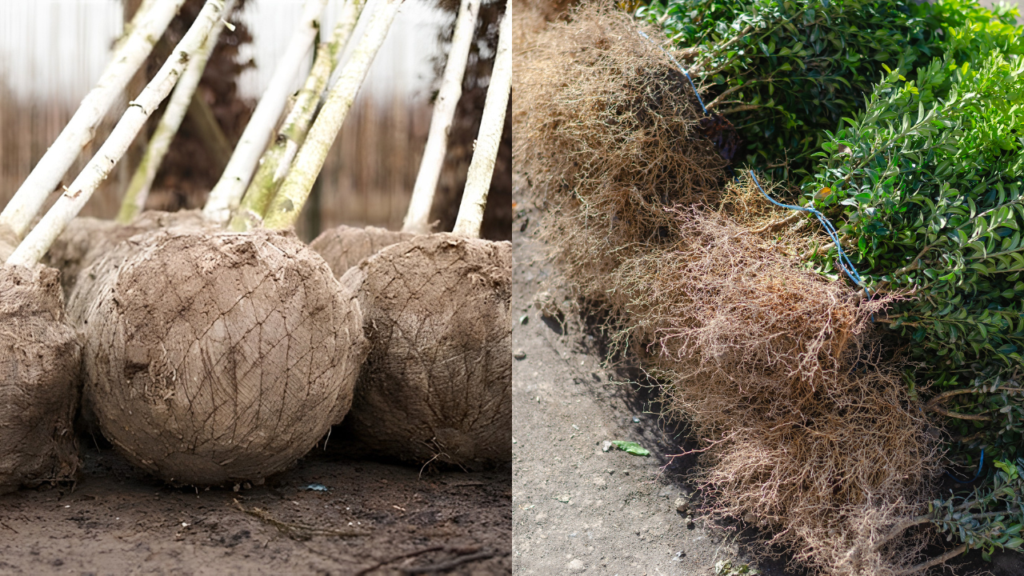
Bare-root trees and hedging are lifted from the field during their dormant season, once their leaves have fallen and growth has slowed. The soil is removed from around the roots, leaving them exposed. The roots are then carefully protected and packed to prevent them from drying out before planting.
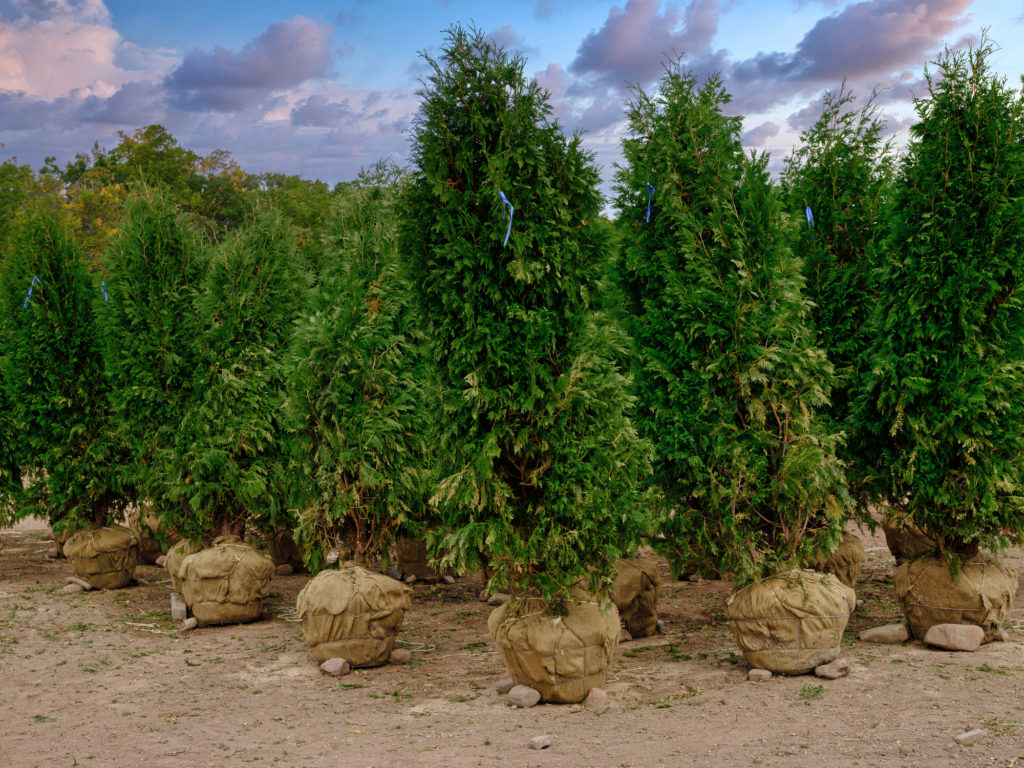
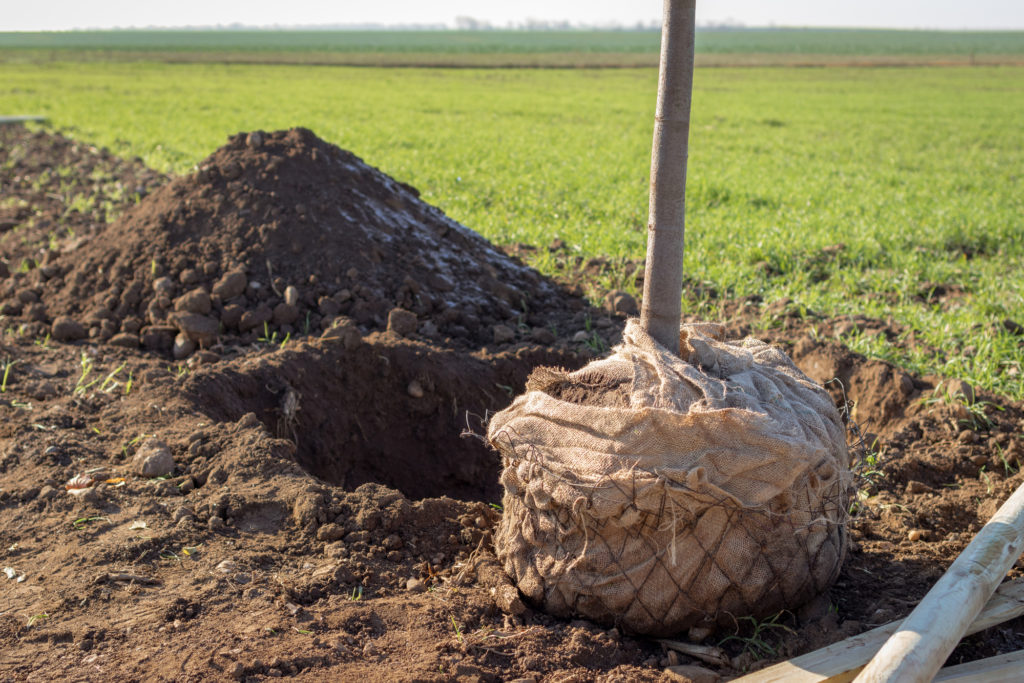
Rootballed trees and hedging, on the other hand, are lifted with a solid ball of their original soil still surrounding the roots. This rootball is usually wrapped and secured, helping to keep the roots protected in the soil they have been growing in.
Both are excellent ways of planting field-grown trees and hedging. The best option really depends on the size of plants you’re looking for, your garden conditions and what you’re hoping to achieve.
Rootballed vs Bare-Root: The Benefits of Each
There are some very practical differences between the two, particularly when it comes to cost, size and ease of planting.
The Benefits of Bare-Root Trees and Hedging
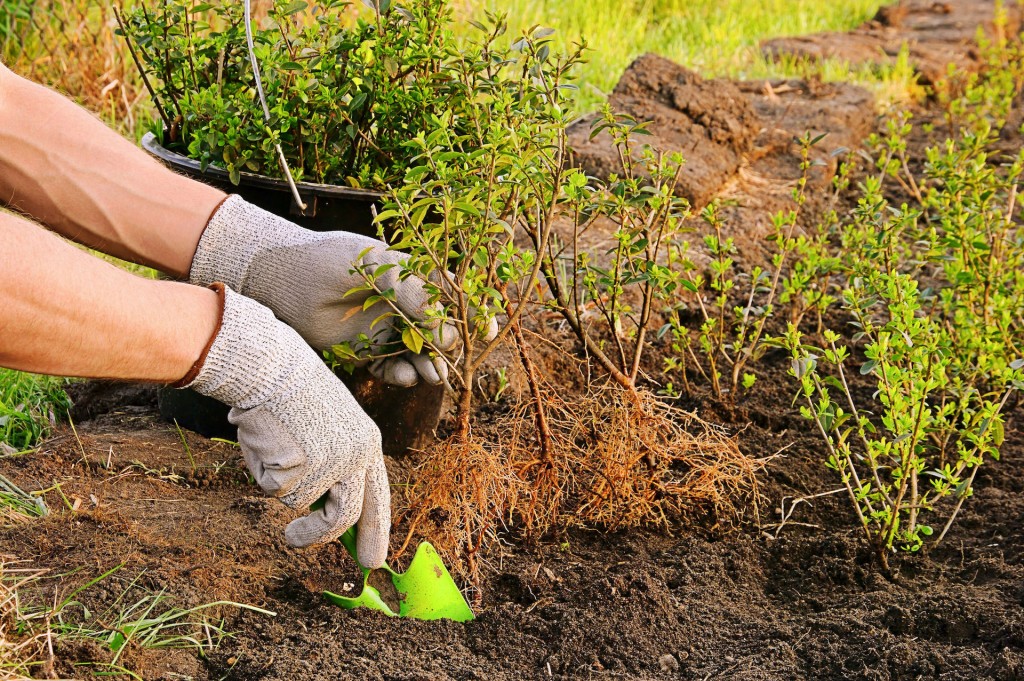
Bare-root planting is one of the most economical ways to introduce trees and hedging into your garden, especially when you’re planting larger quantities.
It’s an option we often recommend for new hedges and smaller trees.
- Excellent value: particularly if you’re planting a long stretch of hedging or several trees.
- Easy to handle: without the extra weight of soil, bare-root plants are generally lighter and easier to move around.
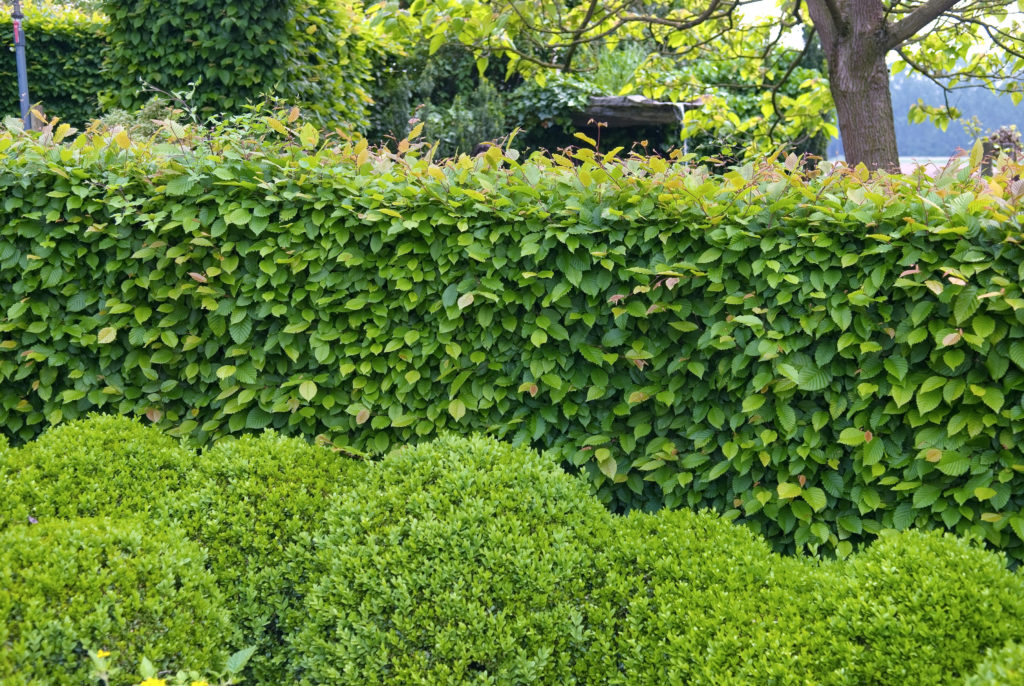
- Ideal for hedging: a wonderful choice for beech, hornbeam, whitethorn and many other native hedging varieties.
- Good establishment: when planted correctly during dormancy and kept well-watered as needed, bare-root plants can establish beautifully.
The important thing to remember is that exposed roots need protecting. Bare-root plants should be planted promptly and never left exposed to drying winds or hard frosts.
The Benefits of Rootballed Trees and Hedging
Rootballed trees are particularly useful when you’re looking for something more substantial from the very beginning.
Because they’re lifted with soil around the roots, they retain a protected root system, which can help reduce disturbance during lifting and planting.
- Ideal for larger trees: particularly more mature, field-grown specimens.
- Excellent for many evergreens: where keeping the root system protected is especially important.
- An established appearance: perfect when you want to create structure, height or privacy from day one.
- Protected roots: the surrounding soil helps to keep the roots protected during handling and planting.
Rootballed trees are naturally heavier and require a little more effort when planting, especially at larger sizes. However, the results can be incredibly rewarding.
Like bare-root plants, they should be planted as soon as practically possible after delivery.
Rootballed vs Bare-Root: Which Is Best for Your Garden?
This is where we always encourage customers to think about what they’re planting and how they want their garden to look.
Choose Bare-Root If…
You’re planning a new hedge using varieties such as beech, hornbeam, whitethorn or other native hedging plants.
Bare-root is also a very good choice for smaller field-grown trees, particularly those in the 6–8cm to 10–12cm girth range, depending on the variety and availability.
If you’re planting a larger number of trees or hedging plants, bare-root is often the most cost-effective option.
The key is to have your planting area prepared and be ready to get them into the ground reasonably quickly after delivery.
Choose Rootballed If…
You’re looking for larger trees or more mature hedging that will give your garden an established feel straight away.
Rootballed planting is particularly suitable for larger field-grown trees and many evergreen varieties, where retaining soil around the roots is important.
It’s also an excellent choice when protecting the root system during lifting, transport and planting is a priority.
Neither option is necessarily better than the other. It’s about choosing the most suitable plant for the space, the conditions and the result you want to achieve.
Planting Trees and Hedging in Ireland: Weather and Soil Conditions
One of the things we’re often asked is whether it’s too wet or too cold to plant.
Here in Ireland, autumn and winter planting is generally less about the exact date on the calendar and more about whether the plants are dormant and the soil is suitable.
In fact, the cooler months can offer some of the very best planting conditions, as there’s usually plenty of natural moisture and plants aren’t putting their energy into producing new leaves and shoots.
The one thing we would always be careful about is waterlogged soil.
If the ground is completely saturated, it’s better to wait until it becomes workable rather than planting into a hole filled with water. Where drainage is consistently poor, you may need to improve the soil structure or consider planting on a slightly raised area.
It’s also worth remembering that different trees have different preferences.
Beech (Fagus sylvatica) really doesn’t enjoy sitting with wet feet. It prefers a reasonably free-draining soil where its roots won’t remain waterlogged.
Hornbeam (Carpinus betulus) is a little more forgiving and generally copes better with heavier soils and occasional wet conditions.
It’s a small distinction, but choosing the right variety for your ground can make such a difference to how well your trees and hedging establish over the years.
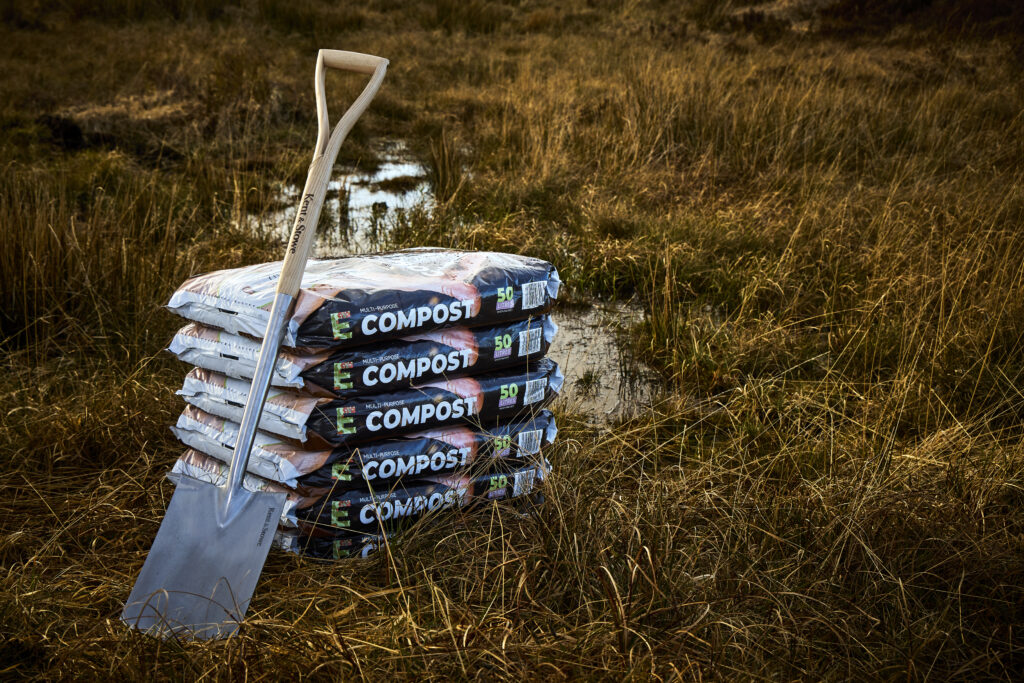
Our Favourite Planting Companion: Caragh Multipurpose Compost
Good planting starts with good soil, and it’s something we’ve always believed very strongly here at the nursery. That’s why we created our own Caragh Multipurpose Compost, using a blend we trust for our trees.
We’ve designed it with soil health in mind, helping to support moisture retention through the warmer summer months while encouraging a healthy growing environment throughout the year.
Our blend includes natural minerals and essential nutrients, including nitrogen, phosphorus and potassium, alongside magnesium, calcium, manganese, iron and zinc. We’ve also included humic and fulvic acids, together with natural Irish seaweed.
When planting, we always encourage people to pay attention to the soil they already have. Good soil preparation, suitable drainage and careful watering are just as important as the compost you choose.
After all, we want your trees to thrive not just for their first season, but for many years to come.
Frequently Asked Questions About Rootballed and Bare-Root Planting
Can I Plant Bare-Root or Rootballed Trees in Winter?
Absolutely. In fact, winter can be one of the very best times to plant deciduous trees and hedging. As long as the ground isn’t frozen solid or waterlogged, the dormant season provides a wonderful opportunity to get plants established.
During this time, plants aren’t using their energy to support lots of leafy growth. Instead, their roots have the opportunity to settle into their new surroundings, with root activity continuing whenever soil temperatures allow.
This gives them a valuable head start before the growing season begins in spring.
How Quickly Should I Plant After Delivery?
Ideally, we’d recommend planting within 7–10 days of delivery, and sooner wherever possible, especially with bare-root plants. The most important thing is to keep the roots protected throughout that time.
Bare-root plants must never be allowed to dry out, while rootballed trees should be kept in a sheltered position with their rootballs protected and appropriately moist.
If you’re unable to plant immediately, do get in touch for advice on how best to look after them in the meantime.
Should I Feed Newly Planted Trees?
We generally recommend focusing on getting the planting right first. Good soil preparation, correct planting depth and appropriate watering are the most important things when your trees first go into the ground.
We usually suggest holding off on additional feeding until around St Patrick’s Day, when spring growth is beginning and the plants are becoming more active.
There’s no need to rush things. Giving your trees the right start is far more important than encouraging too much growth too soon.
A Final Word on Choosing Your Trees and Hedging
Whether you choose bare-root or rootballed, autumn and winter really are wonderful times to make a start on your garden plans.
Bare-root offers fantastic value and is particularly well suited to hedging and smaller trees, while rootballed trees are ideal when you’re looking for larger specimens or a more established appearance.
The most important thing is choosing the right plant for your garden, preparing the soil properly and giving it the care it needs during those first few months.
And if you’re still unsure which option is right for you, we’re always happy to help. We spend our days growing, lifting and planting trees, and there’s nothing we enjoy more than helping you find something that will grow beautifully in your own garden.