
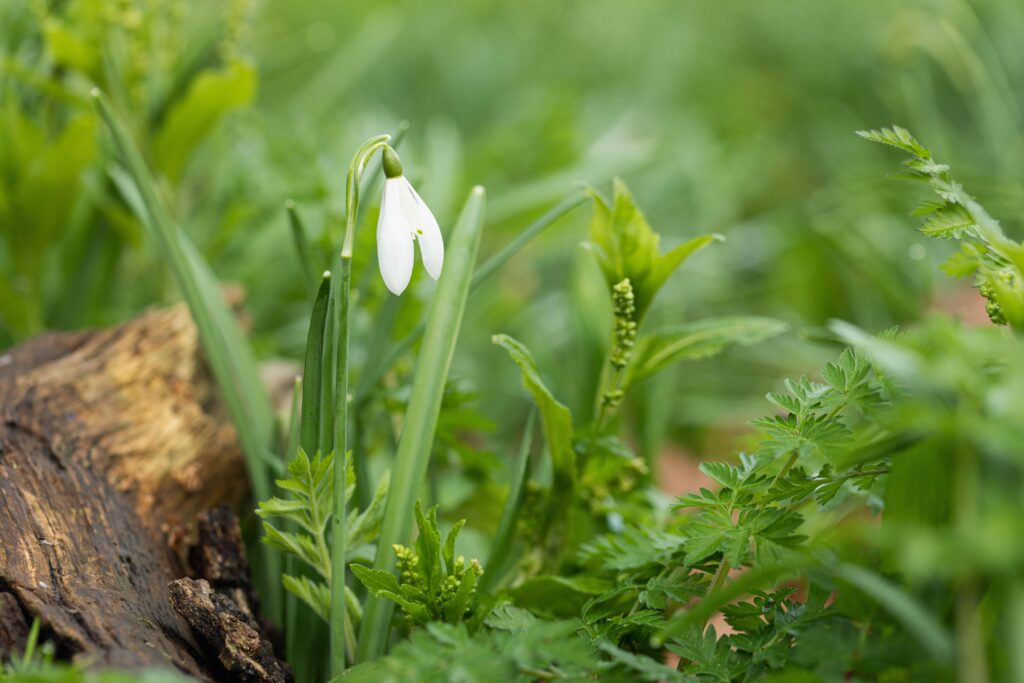
February always feels like the turning point and with all this rain, our gardens are definitely looking green. The garden is still resting, but the light is changing, buds are swelling, and you can really set yourself up for a brilliant spring with a few well-timed jobs. You will have seen the snowdrops and the daffodils are all starting to show their colours, my hellebores are all in full flower and their nodding heads in pinks, creams and my favourite dark, dark almost chocolate colour purple. And there is more
What’s looking good right now
Witch hazel (Hamamelis), Winter jasmine, Sarcococca (sweet box) and hellebores are the quiet heroes of February.
Snowdrops, daffodils and early crocus bring that first proper lift.
Evergreens (yew, box, holly, laurel, pine) look their freshest now—use them as structure while everything else wakes up.
Trees: plant, prune, protect
Plant bare-root trees and hedging while the ground is workable (not waterlogged or frozen). Water in well and mulch.
Prune apples and pears (aim for an open shape and remove crossing branches). Hold off on stone fruit (plum/cherry) until summer.
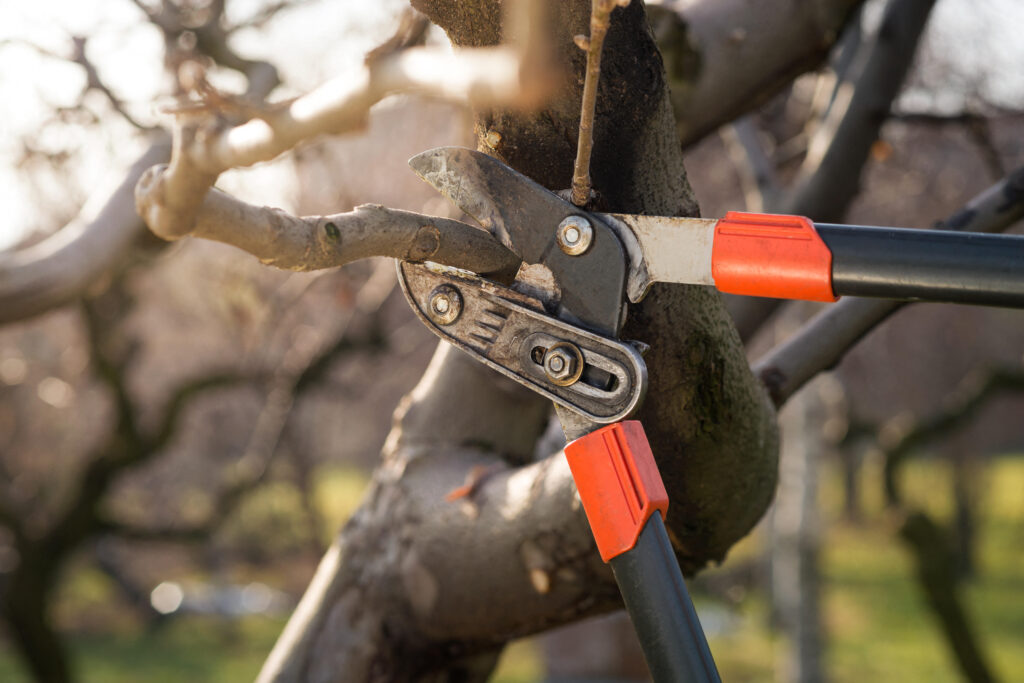
Check stakes and ties on newly planted trees—tight ties can rub as winds pick up.
Mulch around trees (keep mulch away from the trunk) to lock in moisture and suppress weeds.
If you’re planning new structure this year, February is your moment. Shop specimen trees and Rootballed favourites now, while planting conditions are ideal.
Hedges: tidy up and plan ahead
Plant bare-root hedging now for the best establishment.
Trim deciduous hedges if you need to shape them before spring growth starts.
Hold off on heavy cutting once birds begin nesting (usually from March). If you’re unsure, do a quick check first.
Feed evergreen hedges lightly towards the end of the month if growth is starting.
Need privacy, shelter, or a smarter boundary? Browse hedging (don’t miss our field clearance too) and we’ll help you choose the right plant for your site.
Cutting back: what to do (and what to leave)
Cut back ornamental grasses before new shoots appear (leave 10–15cm).

Tidy perennials you left for winter interest (sedum heads, old stems), but don’t be too tidy—wildlife still needs shelter.
Roses: prune bush roses and repeat-flowering shrub roses now; remove dead/diseased wood and open the centre.
Hydrangeas: only remove last year’s flowerheads to the first strong pair of buds (avoid hard pruning unless you know the variety) depending on the variety if they flower on this years or last last years growth, I think this is a while new section of its own so that will be on its way, maybe hold off for that.
If you’d like a hand choosing plants that look good and behave well in your space, book a garden curator slot and our horticultural team will map out a plan that suits your style and your soil.
Divide and separate: lift, split, replant
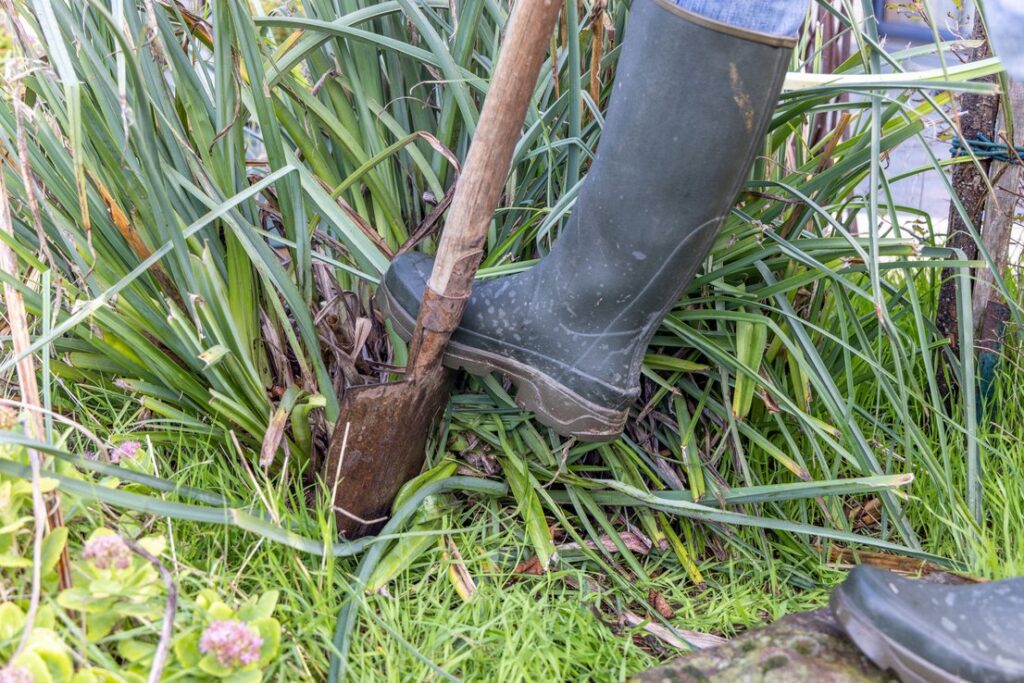
Divide clumps of snowdrops ‘in the green’ (when flowering finishes) for a bigger drift next year.
Split vigorous perennials like daylilies, hostas and hardy geraniums if the soil isn’t too wet. <aybe worth waiting a short while yet as that ground is pretty sodden at this stage unless you’ve got very good soil.
Re-pot congested plants in containers—fresh compost now makes a huge difference.
Seeds & sowing: start small, start steady
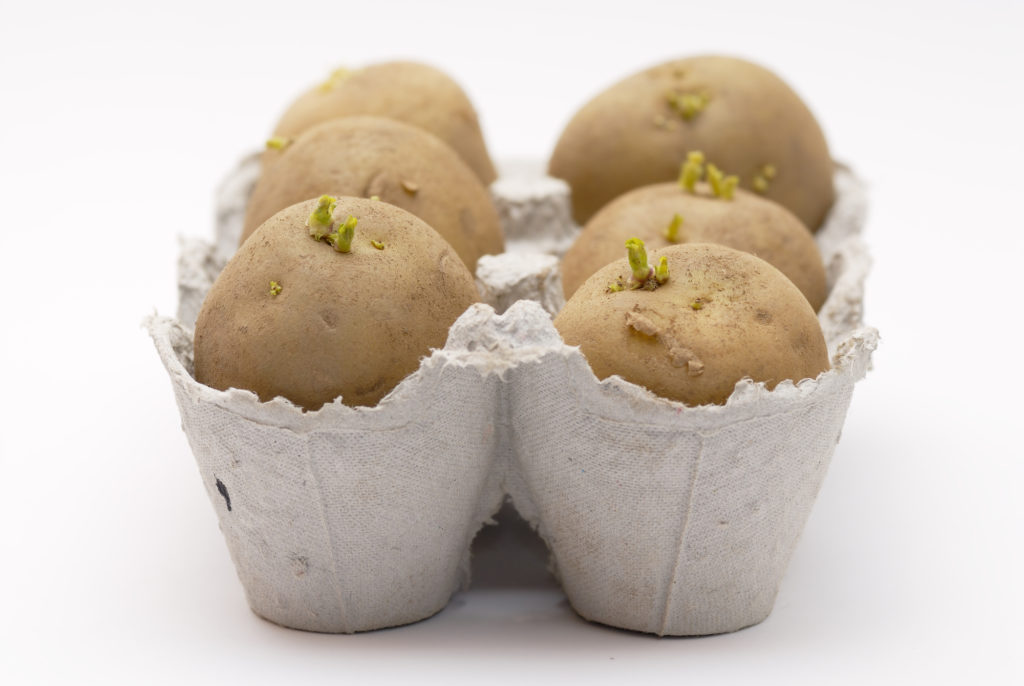
Chit seed potatoes in a bright, frost-free spot.
Under cover (greenhouse/polytunnel/windowsill): sow tomatoes, chillies, aubergines, basil, and early salad leaves.
Hardy veg to sow (under cover or mild areas): broad beans, peas, spinach, early carrots in a tunnel, and onions from seed.
Keep seedlings bright and cool (leggy seedlings are usually too warm and too dark).
Want an easy win? Start with salads and herbs under cover—you’ll be amazed how quickly it lifts the whole season and the boring salad will be a thing of the past
Vegetables: prep beds and protect crops
Prepare beds: add compost, rake level, and cover with fleece or cloches to warm soil.
Protect overwintering brassicas from pigeons with netting.
Check stored crops (potatoes, onions, apples) and remove anything soft to stop rot spreading.
Terrace & containers: instant lift, minimal effort
Refresh pots: scrape off the top 5cm of compost and replace with fresh compost.
Add early colour: primroses, violas, cyclamen, and early bulbs in pots.
Prune summer-flowering shrubs in pots (like fuchsia) lightly and re-pot if rootbound.
Clean patios and paths carefully—use a stiff brush rather than harsh chemicals where possible.
If your terrace needs a lift, pick a ‘hero pot’ for the front door—evergreen structure + early colour = instant impact.
Lawn & general maintenance
Stay off wet lawns to avoid compaction.
Moss control: improve drainage and light; scarify later in spring.
Clean and sharpen tools now—future you will be delighted.
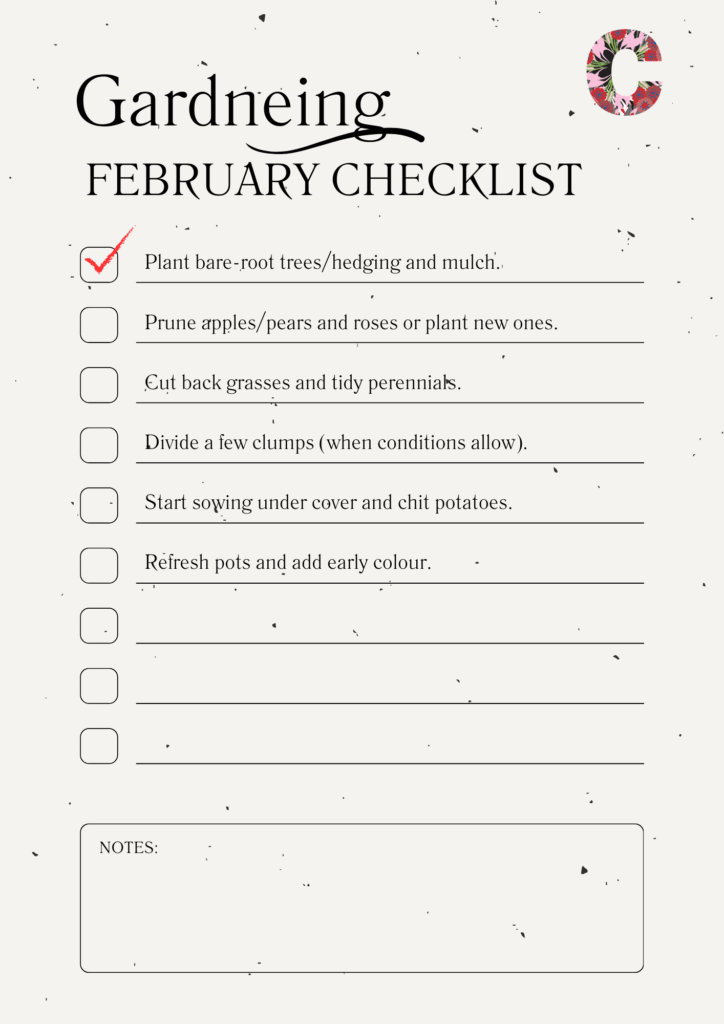
Little reminder
If your soil is heavy or waterlogged, don’t force it—February gardening is all about timing. A few calm, well-chosen jobs now will make March feel effortless.
If you want help choosing the right plants (and the right sizes) for your garden, pop us a message or book a consultation—we love helping you build a garden that feels good to live in.