

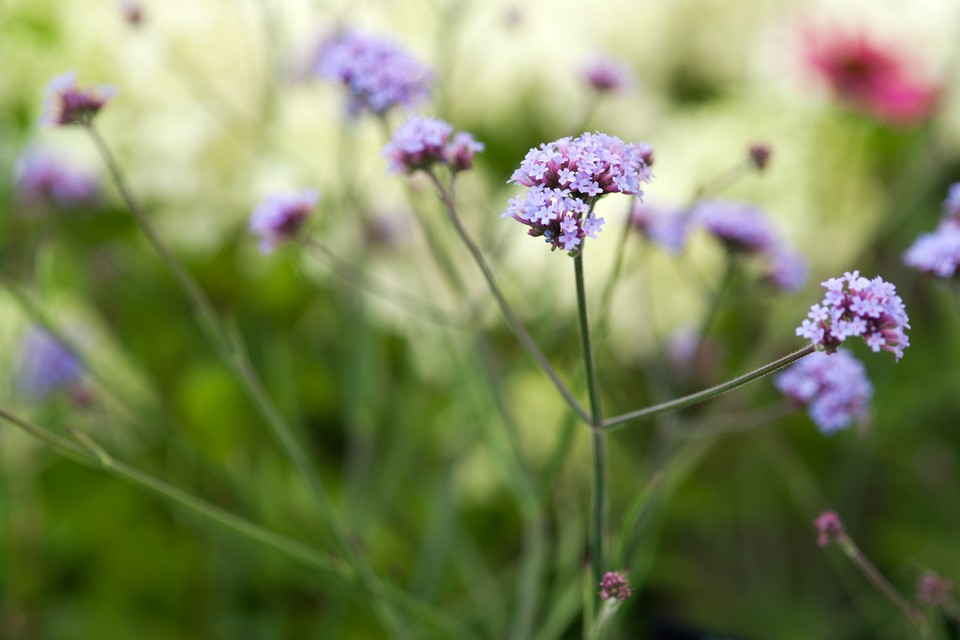
Verbena bonariensis Lollipop
€10.50
Frequently Bought Together


Description
Quick Facts
– Botanical Name: Verbena bonariensis ‘Lollipop’
– Common Name: Dwarf Purple Top Verbena / Lollipop Verbena
– Plant Type: Hardy perennial (often grown as a short-lived perennial; self-seeds)
– Mature Height: 60cm — approximately half the height of the species
– Mature Spread: 45–60cm
– Flowering Period: Late summer through to autumn
– Flower Colour: Flattened heads of bright lavender-purple flowers carried on narrow, sparsely-leafed stems
– Foliage: Small, narrow, rough stems with minimal leaves — the flowers appear to float on slender stems
– Habit: Upright, airy, clump-forming
– Aspect: Full sun
– Soil: Well-drained; tolerant of most soils, including poor and dry ground
– Hardiness: Hardy; may need protection in very cold, wet winters
– Awards: RHS Award of Garden Merit (AGM)
– Maintenance: Very low
Description
Verbena bonariensis is one of the greats of the late summer garden — and ‘Lollipop’ brings everything its taller sibling is loved for into a compact, container-friendly form. Rising to around 60cm, it carries flattened heads of bright lavender-purple flowers on slender, sparsely-leafed stems, so the flowers appear to hover in the air above the planting — the same airy, misty quality of the species, at half the height and perfectly scaled for smaller gardens and pots.
It is at its finest in late summer, when the purple heads float among ornamental grasses and late-flowering perennials, and it is one of the very best plants for butterflies — a superb butterfly plant that rivalled even buddleja in our trials. Combined with the gems, it is the kind of plant that brings movement, colour, and life to the late-season garden, in a pot on a patio or woven through a prairie-style scheme.
Caragh Garden Notebook
Planting:
Plant in spring or early autumn into well-drained soil in a fully sunny position. ‘Lollipop’ is tolerant of most soils, including poor and dry ground, and genuinely prefers a warm, sun-baked spot to rich, moist conditions. It is ideal in containers, where its compact habit and airy form make a fine display, and equally at home in prairie-style planting, gravel gardens, and sunny perennial borders. Allow the plant to self-seed where it is happy; it breeds true enough to remain a soft, untroubled presence in the garden. Water in thoroughly after planting.
Watering:
Water consistently through the first growing season while the plant establishes. Once settled, ‘Lollipop’ is drought-tolerant and requires little supplementary watering in an Irish garden, performing best in warm, reasonably dry conditions. In containers, water regularly through the growing season but ensure the pot drains freely — a wet winter is more of a risk to this plant than a dry summer. Avoid overwatering, which encourages soft, floppy growth.
Feeding:
Feed sparingly. Verbena bonariensis performs best in lean, well-drained conditions; rich or heavily fed soil produces tall, soft growth that flops, especially in a compact cultivar. A light balanced feed in spring is all that is needed, if anything, in most gardens. In containers, a very weak balanced liquid feed every few weeks through the growing season supports flowering without pushing soft growth.
Pruning & Seasonal Care:
In late winter or early spring, cut the previous season’s stems down to the base to make way for the new growth. Because ‘Lollipop’ is a short-lived perennial, it is wise to allow some stems to set seed in late summer — the self-sown seedlings form a ready and reliable succession of new plants, keeping the display going for years. The flowers are borne over a long period; deadheading spent heads is not essential, as the stems are naturally airy and neat.
Overwintering:
In very cold, wet winters, ‘Lollipop’ may be lost in the open ground. The simplest safeguard is to allow self-seeded offspring to take the plant’s place, or to keep potted plants in a sheltered spot or cold frame through the hardest months. In milder coastal gardens it generally overwinters without difficulty. Either way, the free self-seeding habit makes it effectively perennial in the garden year after year.
Pests & Problems:
Generally very trouble-free. The most common problems relate to winter wet rather than pests — poor drainage or a very cold, wet position can cause loss over winter. In exposed positions, the taller stems can be buffeted, though ‘Lollipop’s compact habit is considerably sturdier than the species. It is largely disease-resistant and not troubled by serious pests; aphids can occasionally appear but rarely cause significant harm.
Design Notes:
The lavender-purple heads of ‘Lollipop’ are one of the most useful colour notes in the late summer planting palette — they read beautifully among grasses, float above lower perennials, and pair perfectly with the warm golds and oranges of late-season flowers. Use it in pots on a sunny patio or doorstep, where the airy purple heads bring height and movement to a container display without overwhelming it; weave it through prairie-style planting with ornamental grasses, echinacea, and rudbeckia, where its slender stems and purple heads float above the mass of planting; or scatter it through a sunny border where it self-seeds and weaves its way between other plants in a natural, charming way. As a butterfly plant it is outstanding — planting it near a seating area brings constant, moving colour and life in late summer. A compact, generous, and endlessly useful plant.
Additional information
| Pot Size |
|---|
Related products
-
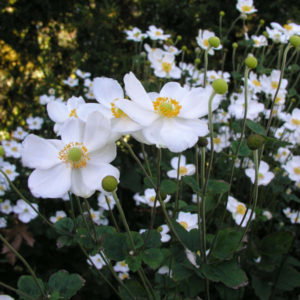
Anemone Honorine Jobert
€8.50 Select options This product has multiple variants. The options may be chosen on the product page -
Carex comans Bronco
€9.50 Select options This product has multiple variants. The options may be chosen on the product page -
Heuchera Marmalade
€12.50 Select options This product has multiple variants. The options may be chosen on the product page -

Persicaria ‘Darjeeling Red’
€8.50 Select options This product has multiple variants. The options may be chosen on the product page