
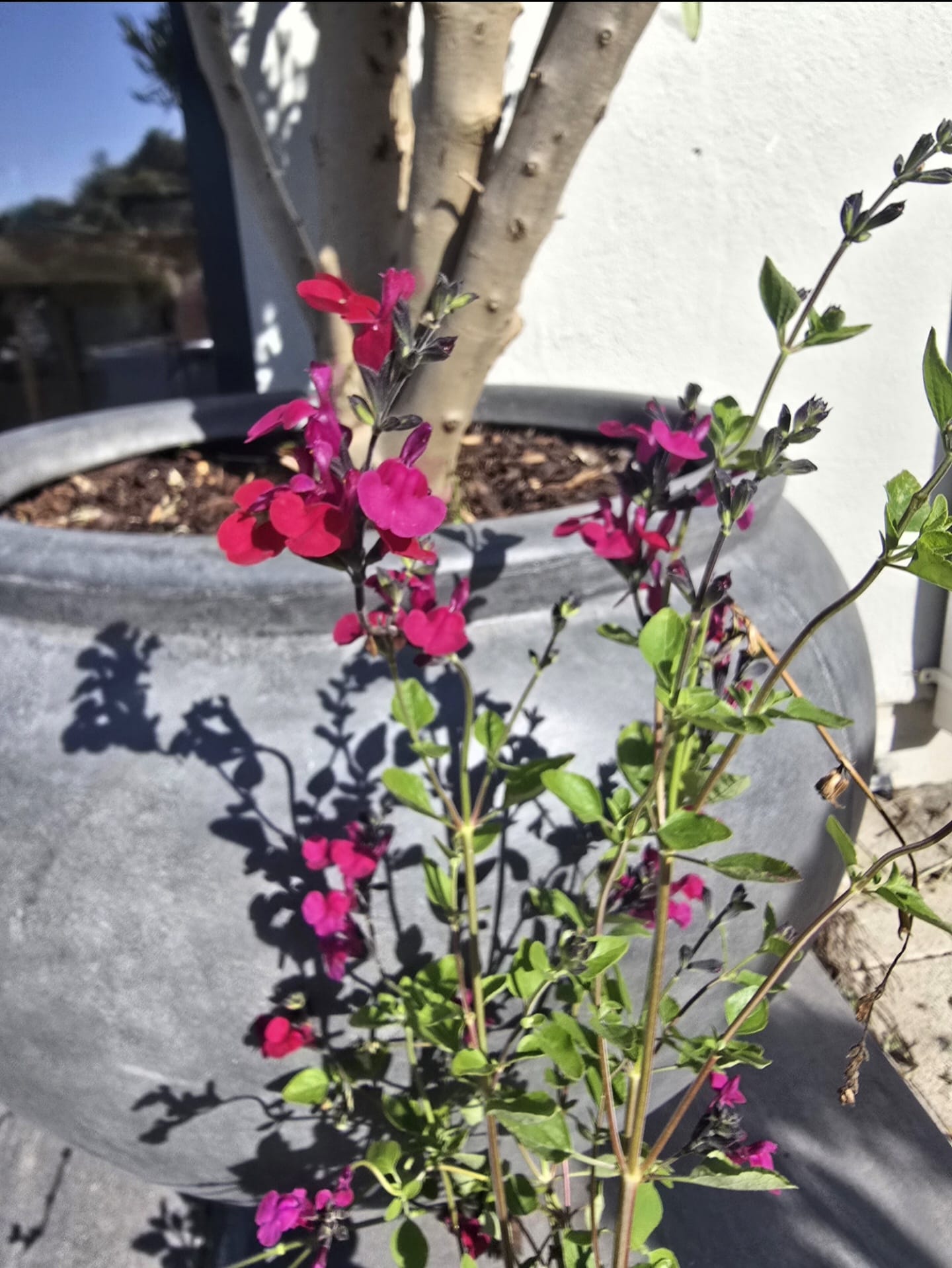
Salvia Cherry Lips
€9.50
Description
Quick Facts
Botanical Name: Salvia microphylla ‘Cherry Lips’
Common Name: Cherry Lips Sage / Baby Sage
Plant Type: Evergreen sub-shrub (may die back in colder winters)
Mature Height: 60–90cm
Mature Spread: 60–90cm
Flowering Period: Summer to autumn (June–October)
Flower Colour: Cherry red with a white lower lip — striking bicolour
Foliage Colour: Mid-green, aromatic
Hardiness: Fairly hardy in Ireland & the UK — worth protecting in exposed or colder gardens
Soil Requirements: Well-drained, average to poor soil
Aspect: Full sun
Maintenance: Low to moderate
Description
Salvia ‘Cherry Lips’ is one of those plants that earns its space from June right through to the first frosts. The flowers are the draw — cherry red with a contrasting white lower lip, produced in long, loose spikes that keep coming for months without much encouragement. The foliage is aromatic and mid-green, staying neat and bushy through the season. It’s not fully hardy in every situation, but in a sheltered spot with decent drainage it’ll come back reliably year after year. A genuinely long-flowering plant with real presence in a sunny border — and one that pollinators absolutely love.
Caragh Garden Notebook
Planting:
Plant in late spring once the risk of frost has passed, into well-drained soil in a sunny, sheltered position. Avoid rich, moisture-retentive soils — this is a plant that thrives on the lean side. In colder or more exposed gardens, planting against a south-facing wall gives it the best chance of overwintering successfully.
Watering:
Water in well after planting and keep reasonably moist through the first season. Once established it’s drought-tolerant and actually performs better with less water — overwatering in heavy soils is the quickest way to lose it.
Feeding:
Little needed. A light balanced feed in spring is plenty to support the long flowering season. Avoid high-nitrogen feeds, which push leafy growth at the expense of flowers.
Seasonal Care & Tidy-Up:
Deadhead or lightly trim through summer to keep flowers coming and maintain a tidy shape. In autumn, leave the top growth on through winter — it offers the crown some protection from frost. Cut back to fresh growth in mid-spring once you can see where new shoots are emerging.
Division (to keep plants vigorous):
Doesn’t divide easily. If you want more plants, take softwood cuttings in late spring or early summer — they root quickly and are a reliable way to build up stock or have replacements ready in case of a hard winter.
Pests & Problems:
Generally trouble-free. The main risk is a cold, wet winter in poorly drained soil, which can kill plants at the crown. A light mulch around the base in late autumn offers useful protection. Slugs may target new spring growth but rarely cause lasting damage.
Design Notes:
A brilliant late-season plant for sunny, well-drained borders. The cherry-and-white flowers pair well with deep purples, soft pinks, and silver foliage — try it alongside lavender, perovskia, and silvery artemisia for a long-lasting Mediterranean feel. Also works well in large containers where drainage can be controlled more easily. A reliable favourite for bees and butterflies from midsummer onwards.
Additional information
| Pot Size |
|---|
Related products
-
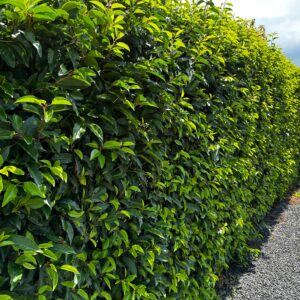
Prunus lusitanica / Portuguese Laurel
Price range: €12.50 through €250.00 Select options This product has multiple variants. The options may be chosen on the product page -
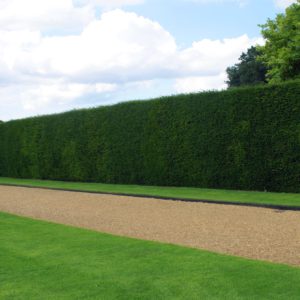
Taxus baccata / Yew Hedging
Price range: €6.50 through €115.00 Select options This product has multiple variants. The options may be chosen on the product page -
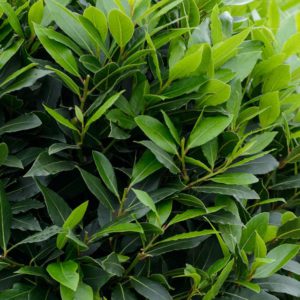
Laurus nobilis / Bay Laurel
Price range: €20.00 through €320.00 Select options This product has multiple variants. The options may be chosen on the product page -
Aucuba japonica variegata
€15.00 Select options This product has multiple variants. The options may be chosen on the product page