

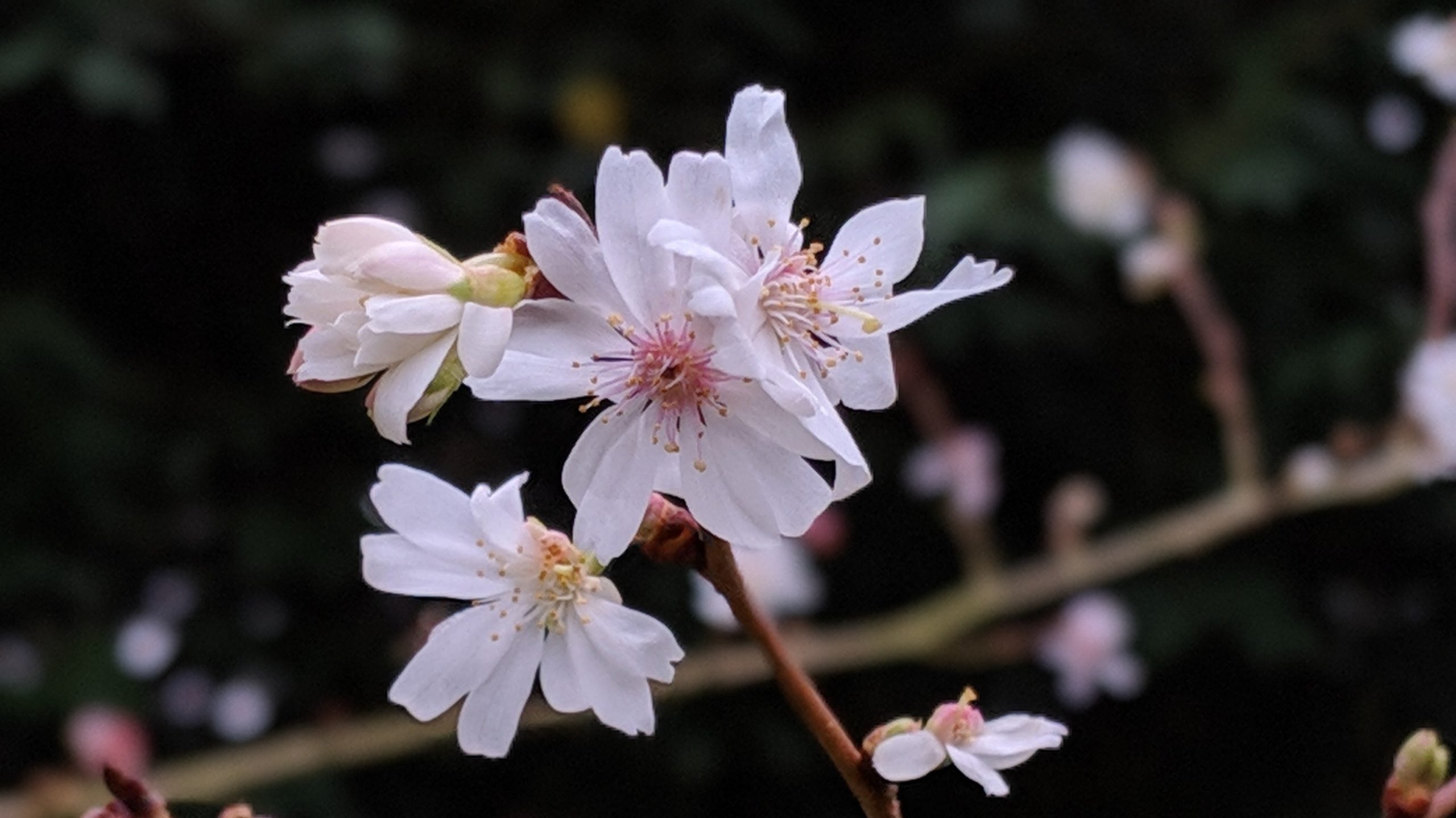
Prunus Autumnalis Rosea / Winter Pink Cherry Half Standard
€95.00
Description
Quick Facts
– Botanical Name: Prunus × subhirtella ‘Autumnalis Rosea’
– Common Name: Winter Pink Cherry / Winter Flowering Cherry
– Plant Type: Deciduous ornamental flowering tree
– Form: Half standard — clean stem with a rounded, spreading crown
– Mature Size: 4–6m overall height (less in half-standard form and with light pruning)
– Flowering Period: Unusual, flowers in flushes from late autumn through winter into early spring
– Flower Colour: Delicate pink, double flowers; borne in small clusters along bare stems
– Foliage: Small, fine mid-green leaves turning soft yellow in autumn
– Habit: Small, elegant, spreading
– Aspect: Full sun to partial shade
– Soil: Moist, well-drained; tolerant of most soils
– Hardiness: Very hardy in Ireland & the UK
– Awards: RHS Award of Garden Merit (AGM)
– Maintenance: Low
Description
Most flowering cherries take their bow in spring and spend the rest of the year quietly. Not this one. Prunus ‘Autumnalis Rosea’ is the cherry that refuses to wait for the season — from late autumn, through the depths of winter and on into early spring, it produces repeated flushes of delicate pink double flowers on its bare stems, when the garden is at its bleakest and colour is rarest. It is, genuinely, one of the most valuable trees you can plant for winter interest.
The flowers are small and charming, carried in soft clusters along the branches, and they are long-lasting: a succession of flushes means there is regularly something in flower whenever the weather is mild enough to bring it out between November and March. On a frosty winter morning, with the pink flowers catching the low cold light against bare branches, it is a genuinely stunning sight — and it is entirely without the fuss of many spring cherries.
In half-standard form it arrives with a clean stem and a rounded, spreading crown, giving an instant, considered shape that suits a lawn, border, or avenue position. The small leaves turn soft yellow in autumn before falling, making way for the winter show. An elegant tree and a true gem for the darkest months.
Caragh Garden Notebook
Planting:
Plant in autumn or early spring into moist, well-drained soil. ‘Autumnalis Rosea’ is tolerant of most reasonable garden soils, including chalk, and is one of the easier ornamental cherries to establish. Choose a position in full sun to partial shade where the winter flowers can be appreciated from the house or a regularly used path — this is a tree that works hardest in the cold months, so position it where its winter show will actually be seen. The half-standard form should be staked firmly for the first two to three years while the stem and crown establish. Water in thoroughly.
Watering:
Water consistently through the first two growing seasons while the tree establishes — this is the most important period for any newly planted tree. Once settled, ‘Autumnalis Rosea’ is reasonably self-sufficient and requires little supplementary watering in an Irish garden beyond natural rainfall. During prolonged dry spells in the first summers, a thorough weekly watering will support establishment and healthy growth.
Feeding:
An application of a balanced fertiliser in spring supports strong growth and healthy flowering. In the first few years, feeding the young tree in spring is worthwhile while it establishes. Once established, an annual mulch of well-rotted compost or leafmould around the base in late winter or early spring feeds gently, retains moisture, and improves the soil over time.
Pruning:
‘Autumnalis Rosea’ requires very little pruning and the natural shape of the half-standard crown is its greatest asset, so resist the temptation to shape it. Remove only dead, diseased, or crossing branches, and do so in late summer or early autumn when the tree is actively growing; pruning in winter risks silver leaf infection, which cherries are susceptible to. Avoid all hard or renovation pruning — an ornamental cherry will not recover gracefully from it.
Pests & Problems:
Generally trouble-free and one of the more resilient flowering cherries. The most common concern in cherries is silver leaf disease, to which the family is susceptible — largely prevented by avoiding winter pruning and by promptly removing any affected branches in summer. Bacterial canker and aphids can occasionally occur but rarely cause serious problems on a healthy tree. Ensure good drainage at planting, as waterlogged ground is the principal site condition the tree will not tolerate.
Design Notes:
‘Autumnalis Rosea’ is a tree for the position where its winter flowers will be seen and appreciated — close to a window, beside a frequently used path, or near an entrance, where the unseasonal pink blossom can be enjoyed without braving the cold. Plant it as a lawn specimen in half-standard form, where the clean stem and spreading crown read clearly against the grass; use it to bring life to a winter border among hellebores, winter heathers, and early bulbs; or plant several along a boundary or drive for a generous, repeated flush of pink through the darkest months. The soft yellow autumn leaves give it a quiet season of its own before the flowers begin, and on a frosty morning, framed by bare branches and low winter sun, the pink blossoms are one of the finest sights the winter garden can offer — a stunning specimen tree.
Additional information
| Pot Size |
|---|
Related products
-
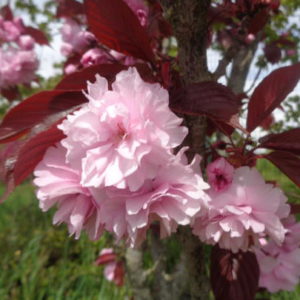
Prunus Royal Burgundy / Red leafed Cherry
Price range: €75.00 through €550.00 Select options This product has multiple variants. The options may be chosen on the product page -
Robinia Frisia
€155.00 Select options This product has multiple variants. The options may be chosen on the product page -
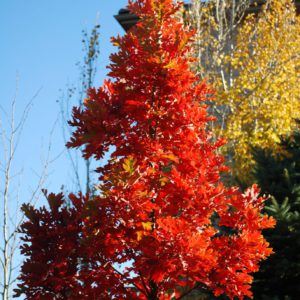
Quercus Crimson Spire /Crimson Spire Oak
Price range: €175.00 through €195.00 Select options This product has multiple variants. The options may be chosen on the product page -
Acer palm. Bloodgood
Price range: €225.00 through €4,500.00 Select options This product has multiple variants. The options may be chosen on the product page