

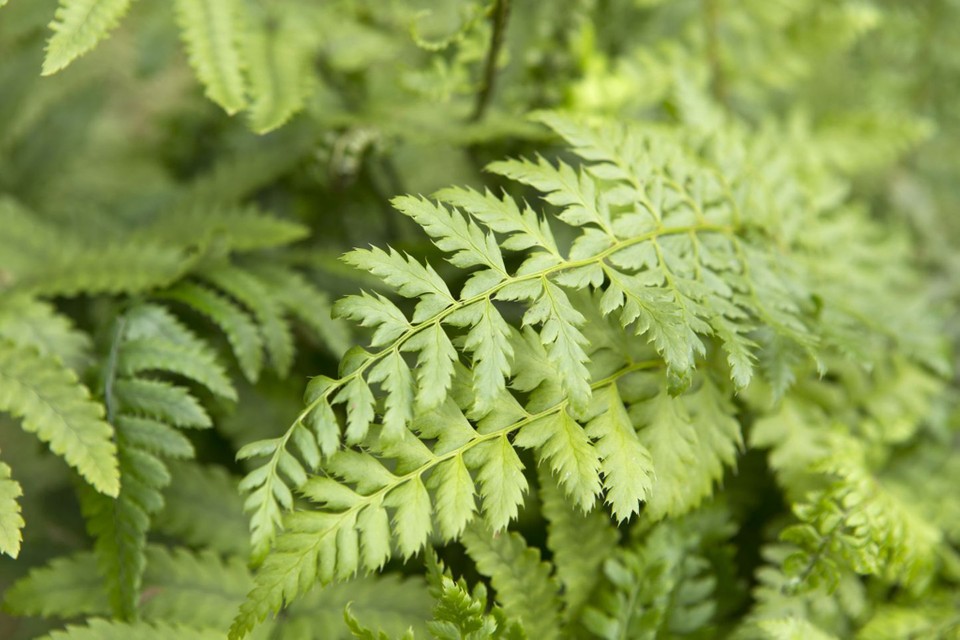
Polystichum polyblepharum – Tassel Fern
€8.50
Frequently Bought Together



Description
Quick Facts
– Botanical Name: Polystichum polyblepharum
– Common Name: Tassel Fern / Japanese Tassel Fern
– Plant Type: Evergreen fern
– Mature Height: 50–70cm
– Mature Spread: 70–90cm
– Frond Colour: Glossy dark green; young fronds yellowish-green with striking hair-like golden scales
– Habit: Spreading shuttlecock form
– Aspect: Shade to part shade; tolerates dry shade once established
– Soil: Moist to moderately dry, well-drained; tolerant of dry conditions under trees
– Hardiness: Very hardy in Ireland & the UK
– Awards: RHS Award of Garden Merit (AGM)
– Maintenance: Very low
Description
Polystichum polyblepharum is one of the finest evergreen ferns for the shaded garden — and one that earns genuine admiration at every stage of its season. The mature plant forms a graceful, spreading shuttlecock of glossy, deep green bipinnate fronds that hold their colour and composure through every month of the year, looking particularly beautiful after a frost when the dark glossy foliage catches the cold light in a way few other plants can match.
The real spectacle, though, comes in spring when the new fronds begin to emerge. Upright and tightly coiled at first, they are covered in hair-like golden scales that shimmer as they catch the light — one of the most quietly extraordinary seasonal moments the shade garden has to offer. As the fronds unfurl and extend, that golden shimmer gives way gradually to the deep, polished green of the mature foliage. It is a plant worth watching closely in April and May.
Easy to establish, tolerant of dry shade once settled, and genuinely evergreen — this is the fern that earns its place in a woodland or shaded border without ever demanding anything in return.
Caragh Garden Notebook
Planting:
Plant in spring or autumn into moist, well-drained soil with plenty of leafmould or organic matter incorporated to replicate the woodland floor conditions this fern naturally favours. It is well suited to dry shade under trees once established — one of the more tolerant ferns for these notoriously difficult conditions. Avoid heavy, waterlogged soils; good drainage is important even in a shaded position. Set the crown at soil level and water in thoroughly. A mulch of leafmould or composted bark around the plant will help retain moisture and replicate the woodland environment it prefers.
Watering:
Water regularly through the first growing season while roots are establishing, particularly during dry spells. Once settled, Polystichum polyblepharum becomes impressively tolerant of dry conditions and rarely needs regular intervention in the ground. Under trees where soil competition is high, a generous watering during extended dry periods in summer will keep the fronds looking their best. In containers, maintain consistent moisture but ensure drainage is always good.
Feeding:
An annual mulch of leafmould or well-rotted compost applied around the plant in spring is usually all that is needed. This feeds gently, retains moisture, and gradually improves the soil structure in the way a woodland floor naturally does. In poorer soils or containers, a light slow-release fertiliser in spring will support strong, healthy frond production.
Seasonal Care & Tidy-Up:
As this is an evergreen fern, avoid cutting it back hard. In late winter or very early spring — before the new fronds begin to emerge — remove any tired, damaged, or tatty old fronds from the base. This clears the way for the spectacular emergence of new growth and allows the golden-scaled croziers to be properly appreciated as they appear. A light tidy is always preferable to a hard cut; the older fronds, while not at their freshest, provide protection to the crown through winter and are worth leaving until new growth is imminent.
Division:
Polystichum polyblepharum does not require regular division and is best left undisturbed once established. If you want to propagate or spread it through the garden, divide established clumps carefully in spring, ensuring each section retains a healthy portion of roots and crown. Replant immediately and water in well. It establishes relatively slowly after division, so patience is needed in the first season.
Pests & Problems:
Generally trouble-free once established. Slugs and snails can target the emerging croziers in spring when they are at their most vulnerable — worth monitoring at this stage as the new fronds are the most spectacular part of the plant’s season. A protective measure around the crown as growth begins will see them through safely. In very wet or poorly drained soils, crown rot can occur; good drainage and avoiding planting too deep are the most reliable preventatives.
Design Notes:
The glossy, dark green fronds work as a foil, a ground cover, and a structural element depending on the context — one of the most versatile shade plants available. Particularly effective planted beneath deciduous trees where the evergreen fronds provide winter interest long after the canopy has dropped. Combine with hellebores, snowdrops, epimediums, and wood anemones for a layered woodland floor planting that looks well from January through to December. The golden croziers in spring contrast beautifully with the purple and white of early bulbs emerging nearby. In a shaded border, use it to weave between deciduous shrubs and provide a calm, textured continuity through the seasons — it is the plant that holds everything together when other things are dormant, faded, or between their moments.
Additional information
| Pot Size |
|---|
Related products
-

Rudbeckia Goldsturm
€8.50 Select options This product has multiple variants. The options may be chosen on the product page -
Kniphofia Flamenco
€8.50 Select options This product has multiple variants. The options may be chosen on the product page -
Crocosmia George Davidson
€8.50 Select options This product has multiple variants. The options may be chosen on the product page -

Carex morrowii Goldband
€9.50 Select options This product has multiple variants. The options may be chosen on the product page