

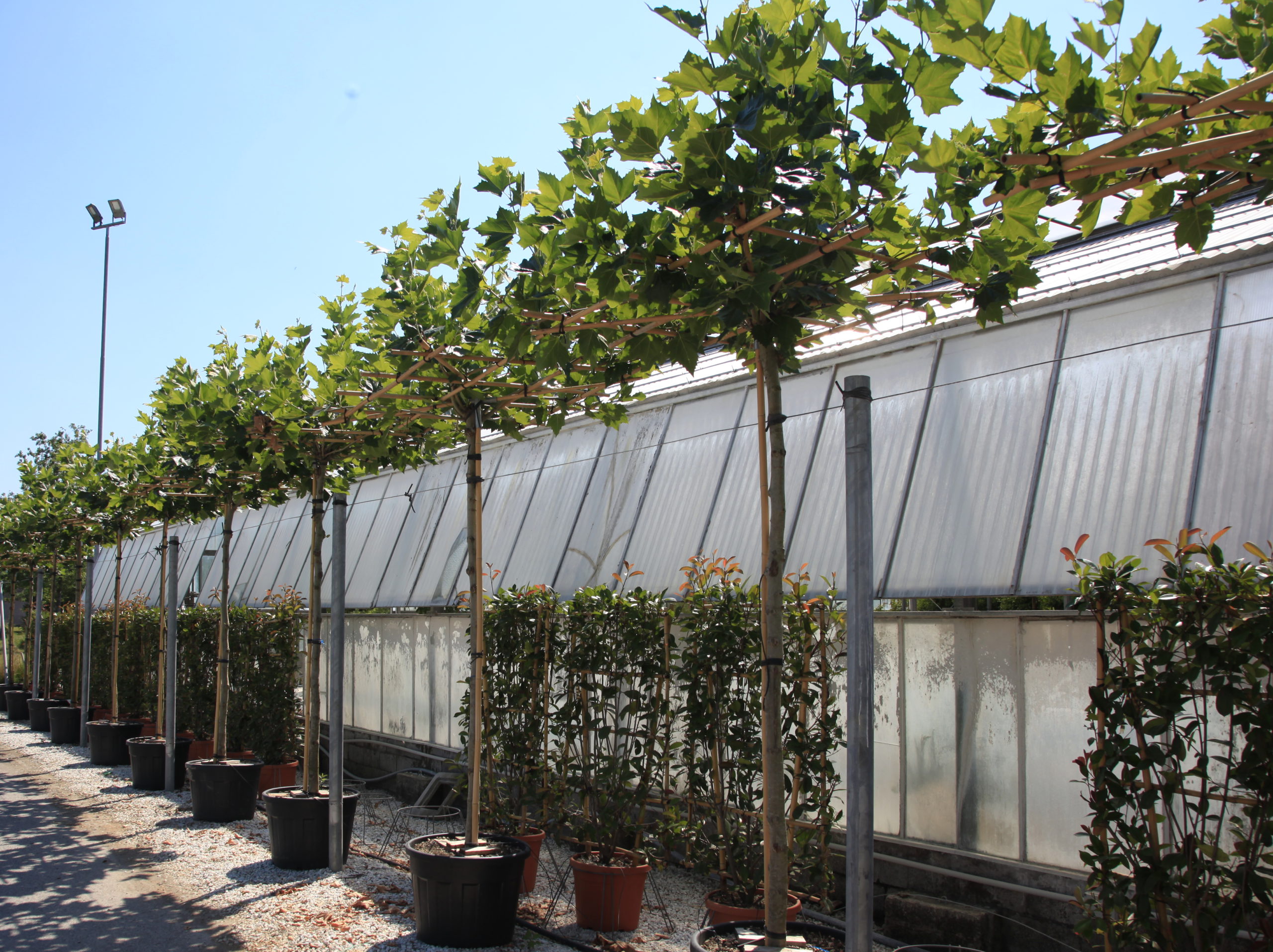
Platanus acerifolia Roof form
€980.00
Frequently Bought Together


Description
Quick Facts
– Botanical Name: Platanus × acerifolia
– Common Name: London Plane — Roof Form
– Plant Type: Deciduous tree, trained roof form
– Stem Height: 3m clear stem
– Girth: 25–30cm
– Canopy Form: Square roof form head
– Flowering Period: Spring — flowers are inconspicuous
– Flower Colour: Inconspicuous
– Foliage Colour: Large, bold mid-green leaves with a distinctive lobed, drooping habit
– Hardiness: Fully hardy
– Soil Requirements: Moist, well-drained; highly adaptable and tolerant of most soils
– Aspect: Full sun
– Maintenance: Low to moderate — annual formative pruning to maintain the roof canopy
Description
If you’re looking for a roof form specimen that stops people in their tracks, this is it. The London Plane is one of the most majestic trees we grow — and in this trained roof form, raised on a 3 metre clear stem with a beautifully balanced square canopy head, it reaches a level of drama and presence that is genuinely hard to find. The large, boldly lobed leaves hang with a characteristic grace, casting generous dappled shade through the summer months, while the silver-grey marbled trunk — a signature of this iconic tree — adds sculptural beauty even through the winter. We simply can’t keep these on the nursery; they go out as fast as we can lift and prepare them. When a specimen speaks for itself this clearly, it really doesn’t need much persuading.
Caragh Garden Notebook
Planting:
Plant in a sunny, open position in well-drained, fertile soil. The London Plane is exceptionally adaptable and will establish well in most soil types, including compacted urban soils, making it an outstanding choice for driveways, terraces, and courtyard settings. Allow the root zone generous space below ground to support the vigour of the canopy above.
Watering:
Water thoroughly after planting and during dry spells throughout the first two to three growing seasons. Once well established, the London Plane is remarkably resilient and drought tolerant, reflecting its reputation as one of the toughest large trees in cultivation.
Feeding:
Apply a balanced general fertiliser or a deep mulch of well-rotted compost in early spring to support strong canopy growth and sustain the tree’s vigour in a container-grown or newly planted situation.
Seasonal Care & Tidy-Up:
Prune annually in late winter or early spring before buds break. The objective is to maintain the clean, square horizontal plane of the canopy — removing upward-growing shoots and tying in laterals along the framework. The London Plane responds very well to regular pruning and will build an increasingly impressive, dense canopy head over time.
Division (to keep plants vigorous):
Not applicable. Remove vigorous upright water shoots promptly throughout the growing season to protect the integrity of the trained roof form and keep the canopy’s square profile sharp and well-defined.
Pests & Problems:
Highly robust and largely trouble-free. Massaria disease (a fungal condition affecting major limbs) can occasionally be seen on mature street trees but is rarely an issue for well-maintained garden specimens. The London Plane’s tolerance of pollution, compaction and variable conditions makes it one of the most reliable large trees available.
Design Notes:
This is a tree purpose-built for bold, considered spaces. The 3 metre clear stem creates a remarkable sense of height and openness beneath the canopy — making it an ideal choice for car parking areas, long driveways, wide terraces, and any setting where you want living architecture overhead without losing the space below. The square canopy form lends itself beautifully to formal and contemporary garden design, and a pair or avenue of these specimens creates an effect that is simply breathtaking. The silver-grey marbled bark is a year-round feature that rewards close attention in all seasons.
Propagation:
Grafted and trained form — propagation is not recommended at home. Source prepared roof form specimens from specialist nurseries to ensure the trained framework and cultivar characteristics are preserved.
Additional information
| Pot Size |
|---|
Related products
-
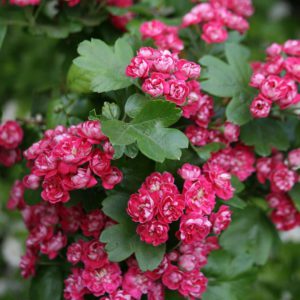
Crataegus Pauls Scarlet / Red Hawthorn
Price range: €45.00 through €240.00 Select options This product has multiple variants. The options may be chosen on the product page -
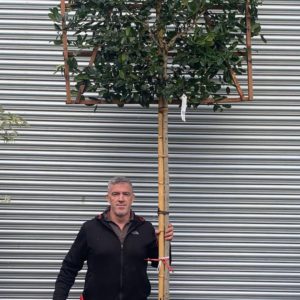
Ilex Nellie Stevens Standard Espalier
€1,150.00 Select options This product has multiple variants. The options may be chosen on the product page -
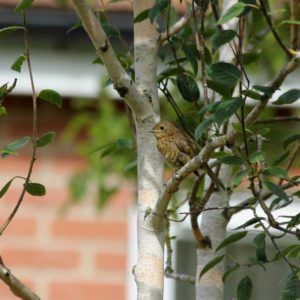
Betula Jacquemontii / Himalayan Birch
Price range: €180.00 through €600.00 Select options This product has multiple variants. The options may be chosen on the product page -

Choisya ternata – Mexican Orange Blossom
Price range: €9.50 through €22.00 Select options This product has multiple variants. The options may be chosen on the product page