
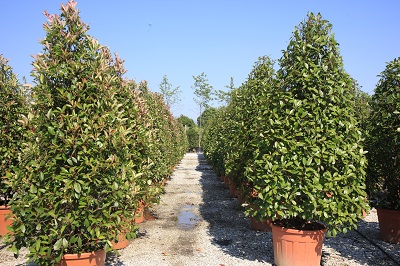
Photinia Red Robin Cones
Price range: €360.00 through €575.00
Frequently Bought Together
Description
A bold, evergreen statement piece with that classic Photinia colour — glossy green leaves and vivid red new growth — clipped into a smart cone for instant structure. Perfect for framing entrances, styling patios, or bringing a crisp, architectural feel to borders.
Why you’ll love it
- Instant impact: A ready-made topiary shape that looks “finished” from day one
- Evergreen structure: Strong form and colour all year
- Red new growth: Fresh shoots bring a vibrant burst of colour in spring/summer
- Brilliant in pots: Ideal for doorways, terraces and outdoor seating areas
Quick Facts
- Botanical name: Photinia × fraseri ‘Red Robin’
- Shape: Clipped cone
- Plant type: Evergreen shrub (topiary)
- Foliage: Glossy green; new growth bright red
- Position: Sun or partial shade (best colour in good light)
- Soil: Moist but well-drained
- Hardiness: Hardy; shelter from cold, drying winds when young
- Maintenance: Trim 1–2 times per year to keep the cone crisp
Description
If you want a plant that brings both structure and colour, Photinia ‘Red Robin’ is hard to beat. In cone form, it becomes a real design feature — clean lines, rich evergreen foliage, and those fiery red tips that make it feel lively and seasonal.
Use a pair to frame a front door or gate, or repeat cones along a path for a more formal, high-end look. It also works beautifully in mixed planting, where the cone shape gives the eye something to “land on” among softer flowers and grasses.
Where to use it
- In matching pots either side of a doorway (a classic, welcoming look)
- On patios/terraces for evergreen structure and colour close to the house
- In borders as a focal point among softer planting
- Along paths for rhythm and a more formal finish
Care & planting notes
- Watering: Water well while establishing; containers need regular watering in dry spells
- Feeding: Spring feed + mulch keeps growth dense and colour strong
- Pruning:
- Light trim after the first flush of red growth to keep the cone sharp
- Optional second tidy in late summer
- Top tip: Regular light clipping is better than an occasional hard cut — it keeps the foliage dense and the shape clean.
Additional information
| Pot Size |
|---|
Customers also purchased...
-
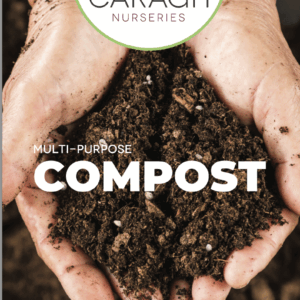
Caragh Nurseries Multi-Purpose Compost
€8.00 Select options This product has multiple variants. The options may be chosen on the product page
Related products
-
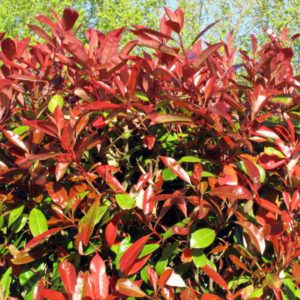
Photinia Red Robin Ball
€165.00 Select options This product has multiple variants. The options may be chosen on the product page -
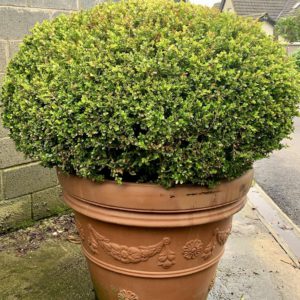
Buxus sempervirens / Box Oval
€500.00 Select options This product has multiple variants. The options may be chosen on the product page -

Taxus baccata Aurea / Golden Yew Pom Pom
€2,200.00 Select options This product has multiple variants. The options may be chosen on the product page -
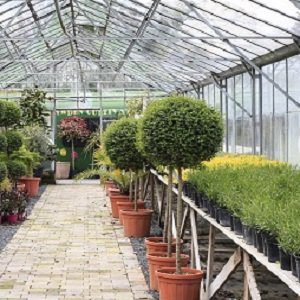
Ligustrum jonandrum 1/2 standard
Price range: €185.00 through €235.00 Select options This product has multiple variants. The options may be chosen on the product page