

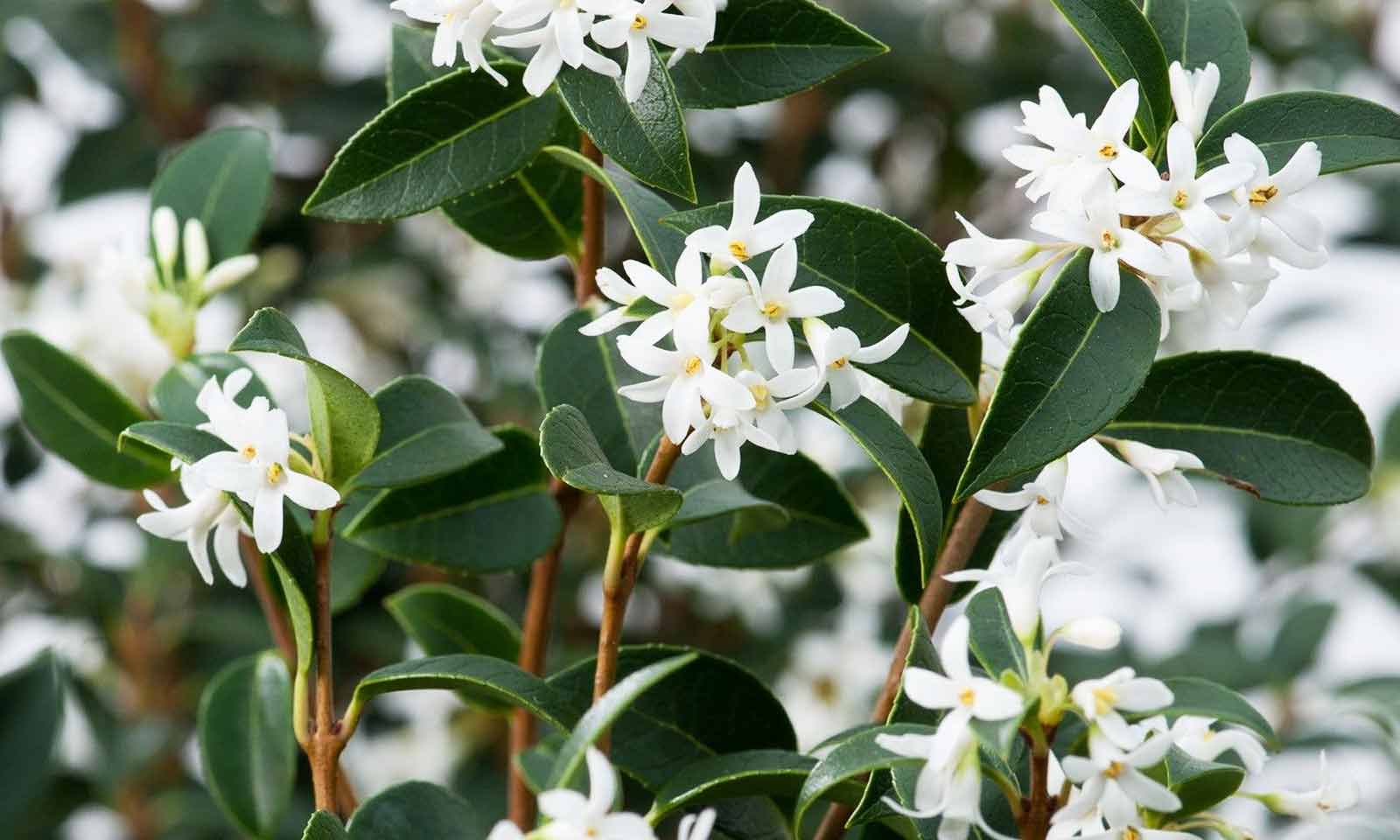
Osmanthus x burkwoodii
Price range: €45.00 through €175.00
Frequently Bought Together
Description
Quick Facts
– Botanical Name: Osmanthus × burkwoodii
– Common Name: Burkwood Osmanthus
– Plant Type: Slow-growing large evergreen shrub
– Mature Height: 3–4m
– Mature Spread: 3–4m
– Flowering Period: April to May
– Flower Colour: Small, pure white, tubular flowers carried in generous clusters — exceptionally and memorably fragrant
– Foliage: Small, dark green, leathery, toothed leaves — dense, glossy, and handsome through every season
– Habit: Dense, upright, naturally well-shaped
– Aspect: Full sun to partial shade
– Soil: Moist, well-drained; tolerant of most soils including chalk
– Hardiness: Very hardy in Ireland & the UK
– Awards: RHS Award of Garden Merit (AGM)
– Maintenance: Low — clip after flowering if using as a hedge or shaped specimen
Description
Osmanthus × burkwoodii is one of those shrubs that earns devoted loyalty from every gardener who grows it — and the fragrance is why. In April and May, the dense, dark green canopy is covered in clusters of small, pure white flowers with a scent so sweet, rich, and penetrating that it carries across the garden and through open windows on a warm spring evening. To stand beside it in full flower is one of the real pleasures of the gardening year.
Beyond the flowering season, it is a handsome, reliable, and densely clothed evergreen shrub — the small, leathery, dark green leaves hold through every month of the year, giving it a solid, structural presence in the border, the hedge line, or as a specimen where its form can be properly appreciated. Slow-growing, it builds steadily over the years into a substantial, architectural shrub of genuine quality.
It is, without question, a plant that should go somewhere its scent can be noticed — beside a path, near a door, close to a seating area. Placed well, it will stop people in their tracks every spring without fail.
Caragh Garden Notebook
Planting:
Plant in autumn or early spring into moist, well-drained soil. Osmanthus × burkwoodii is tolerant of most soil types, including chalk, and performs well in full sun to partial shade. Choose the position with the scent in mind above all else — beside a path, near a doorway, close to a sitting area, or beneath a window that is often open in spring. This is the detail that will give you years of pleasure; a fragrant shrub planted at a distance from where you spend time is a pleasure halved. Water in thoroughly after planting.
Watering:
Water consistently through the first growing season while the plant establishes. Once settled, Osmanthus × burkwoodii is reasonably self-sufficient and tolerant of drier conditions, requiring little supplementary watering in an Irish garden beyond natural rainfall. During prolonged dry spells, a thorough watering will keep the dense foliage at its best. In containers, water regularly through the growing season and ensure the pot drains freely.
Feeding:
A light balanced fertiliser applied in spring as growth begins will support steady, healthy growth. Once established, an annual mulch of well-rotted compost or leafmould around the base in late winter or early spring is usually sufficient — it feeds gently, retains moisture, and improves the soil over time. The plant is not demanding and performs well with minimal intervention.
Pruning:
Osmanthus × burkwoodii responds very well to clipping and pruning, which makes it an excellent choice for a formal hedge, a shaped specimen, or topiary. Prune after flowering has finished in May or early June — this avoids cutting off next year’s flower buds, which are set through the summer on the current season’s growth. For a hedge or shaped form, clip once after flowering; for a specimen left to develop naturally, very little intervention is needed beyond an occasional tidy. If ever a plant becomes overgrown or misshapen, it can be renovated gradually over a couple of seasons.
As a Hedge or Screen:
‘Burkwoodii’ makes a genuinely excellent large hedge or screen — the dense, leathery evergreen foliage creates a tight, impenetrable barrier, it clips well and holds its shape, and in spring the whole hedge bursts into fragrant white flower. For hedging, plant at intervals of around 60–75cm and clip annually after flowering. As a screen, the slow growth rate means patience is required in the early years, but the result is a hedge of real quality and year-round presence.
Pests & Problems:
Generally very trouble-free — one of the more reliable and disease-resistant of the evergreen shrubs. It is rarely troubled by serious pests. In very heavy, poorly drained soils the plant may underperform; good drainage at planting is the most reliable safeguard. In the most exposed, frost-prone gardens, the young spring flowers can occasionally be caught by a late frost — a sheltered position is always preferable, particularly for a plant grown primarily for its flowering.
Design Notes:
The combination of dense, dark evergreen foliage and extraordinary spring fragrance makes Osmanthus × burkwoodii one of the most versatile and rewarding of the large evergreens. Use it as a specimen where the full cloud of spring flower can be seen and the scent can drift; plant it as a hedge or screen where the flowering becomes a seasonal event along the whole boundary; or position it near a seating area, doorway, or path where the April and May fragrance will be caught every time you pass. In a mixed shrub border it provides solid, structured evergreen presence through every season, and in spring it contributes the finest scent in the garden. Plant it near winter performers — mahonias, sarcococca, witch hazels — for a planting that is fragrant from November through to May.
Additional information
| Pot Size | 110L 175-200cm, 18L 60-80cm, 35L 125-150cm, 10L 80-100cm, 150L 175-200cm, 20L 100-125cm, 7.5L |
|---|
Related products
-
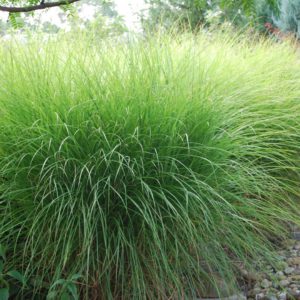
Miscanthus sinensis Gracillimus
€8.50 Select options This product has multiple variants. The options may be chosen on the product page -
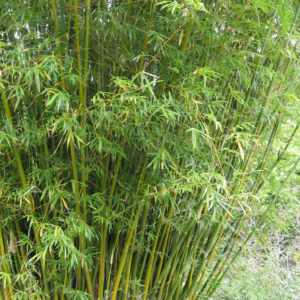
Phyllostachys aurea / Fish pole or Golden Bamboo
Price range: €95.00 through €150.00 Select options This product has multiple variants. The options may be chosen on the product page -
Rhus dissecta Specimen Multistem
Read more -

Nandina Blush Pink
€15.00 Select options This product has multiple variants. The options may be chosen on the product page