

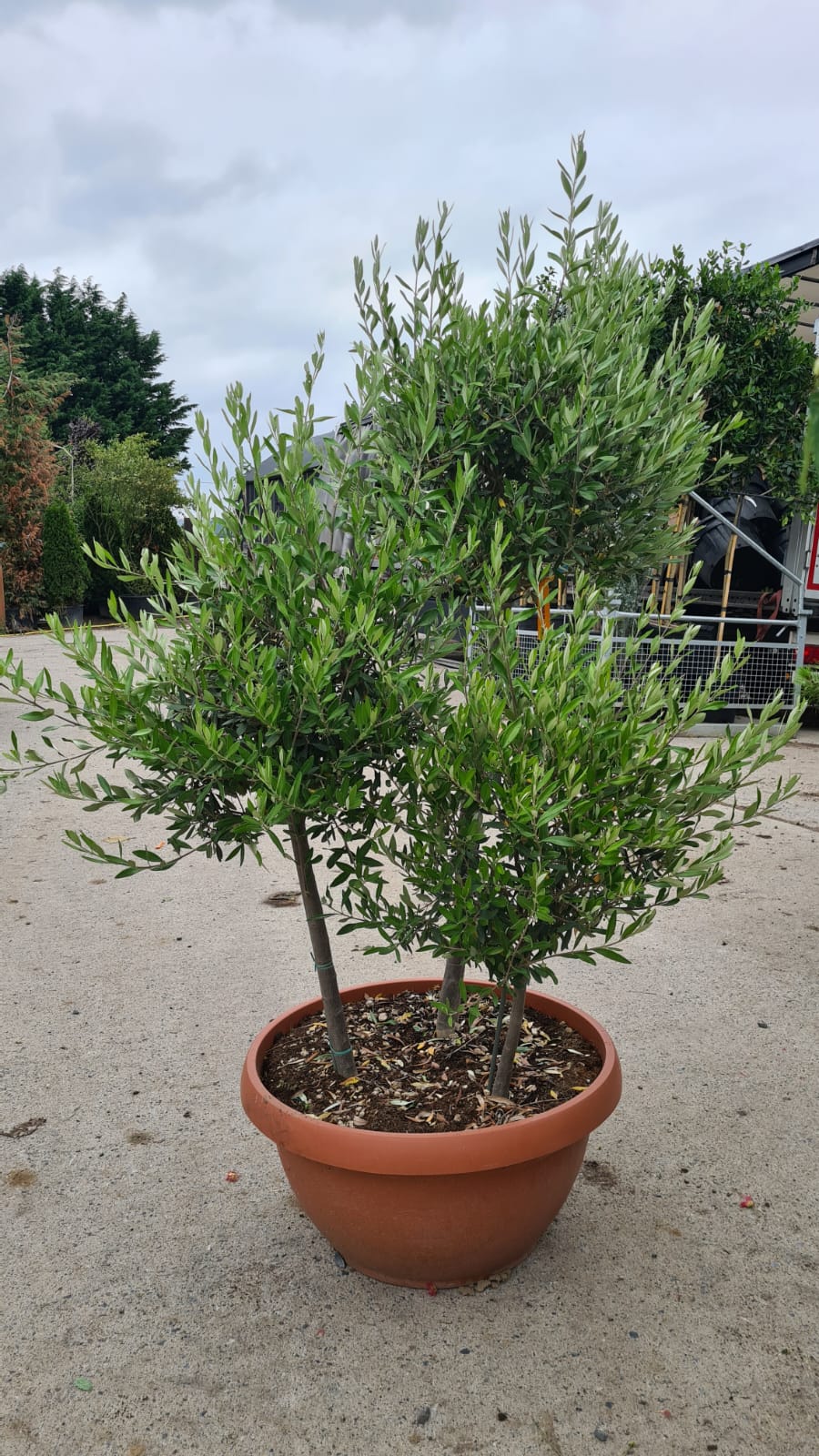
Olea europaea Pom Pom Shape
€450.00
Frequently Bought Together

Description
The olive tree needs little introduction at Caragh — you know that silver-grey foliage, that slightly exotic quality, the way a mature specimen stops a garden in its tracks. But this one is something else entirely.
Grown as a triple-stemmed pom pom, three distinctive stems rise from the base, each carrying its own generous cloud of that beautiful silvery-grey-green foliage — loose, informal, and full of character at this stage, with the potential to be trimmed into neat, rounded balls for a more formal, architectural effect. The result is a hugely ornamental specimen that works in virtually any garden setting, but comes into its own in a large container on a terrace where every stem, every ball of foliage, and every shift of the light through those silver leaves can be appreciated up close.
There are olive trees, and then there are olive trees. This is the latter.
Quick Facts:
Common Name: Olive Tree – Pom Pom Form
Botanical Name: Olea europaea
Form: Triple stem – three pom pom heads; currently loose, can be clipped to formal balls
Stems: 3 distinctive stems
Foliage: Silvery grey-green — narrow, light-reflecting leaves
Flowers: Small, creamy-white — summer
Growth Rate: Slow to moderate
Sun: Full sun — essential
Soil: Free-draining; tolerates dry, poor soils once established
Hardiness: RHS H4 (hardy to approximately -10°C)
Drought Tolerant: Yes — once established
Origin: Italy — certified Xylella-free
Certification: Pre-export tested and certified free from Xylella fastidiosa
Best For: Terrace containers, courtyard focal points, formal and contemporary gardens
Caragh Garden Notebook
Planting: Choose the sunniest position available — full sun is essential for olive trees to thrive. In the ground, plant in free-draining soil enriched with grit if drainage is poor; olive trees will not tolerate cold, wet roots through winter. In a container — which suits this form beautifully — use a loam-based compost with additional grit, in a large, generously proportioned pot with excellent drainage.
Shaping & Clipping: These trees leave us with a natural, loose pom pom at this stage — full of informal character that looks wonderful as it is. If you prefer a more formal, architectural finish, each head can be clipped into a defined ball shape using sharp, clean shears in late spring. Clip lightly and regularly rather than hard and infrequently to maintain a clean, rounded outline without stressing the tree. Remove any shoots that develop along the stems to maintain the clean triple-stem structure.
Watering: Water consistently through the first growing season. Once established in the ground, olive trees are remarkably drought-tolerant. Container-grown specimens need more attentive watering through summer — check regularly and water when the top few centimetres of compost are dry. Never allow the roots to sit in waterlogged compost.
Feeding: Apply a balanced slow-release fertiliser in spring. Container-grown trees benefit from a liquid feed through the growing season — a high-potassium feed from midsummer is particularly beneficial for trees in a sheltered, sunny position.
Winter Care: Hardy to approximately -10°C. Move container-grown specimens to a sheltered position during prolonged hard frost and protect the root zone with fleece. In the ground, ensure drainage is excellent and consider a mulch layer over the root zone through the coldest months.
Styling Notes: The triple pom pom olive is a showpiece — a plant that makes an immediate, confident statement. A single specimen in a large Atlas Gold or Sydney Aluminium planter anchors a terrace with genuine drama. A pair flanking a doorway or entrance creates a sense of arrival that is simply unforgettable. The loose, informal pom pom shape brings warmth and movement to contemporary schemes, while clipped balls introduce a formal, classical quality — making this one of the most versatile specimen plants we offer.
All of our olive trees are guaranteed and tested for Xylella fastidiosa prior to leaving Italy. We hold certification for every tree confirming it is free from the bacterium before we accept it onto the nursery. This is not a box-ticking exercise — it is our commitment to the quality and integrity of every tree that leaves us, and to the long-term health of your garden.
Additional information
| Pot Size | 90L 120-140cm, 3 balls of foliage left loose, 90L 140-150cm tall, Trioball |
|---|
Related products
-

Juniperus Pfitzeriana Aurea Bonsai
€390.00 Select options This product has multiple variants. The options may be chosen on the product page -

Taxus baccata Aurea / Golden Yew Pom Pom
€2,200.00 Select options This product has multiple variants. The options may be chosen on the product page -
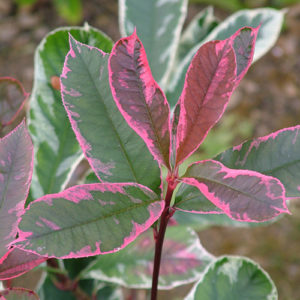
Photinia Pink Marble Cones
€145.00 Select options This product has multiple variants. The options may be chosen on the product page -
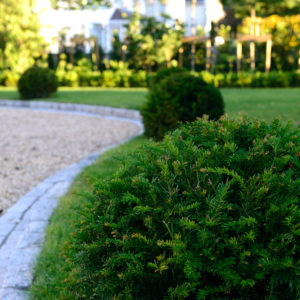
Taxus baccata / Yew Ball
Price range: €55.00 through €180.00 Select options This product has multiple variants. The options may be chosen on the product page