

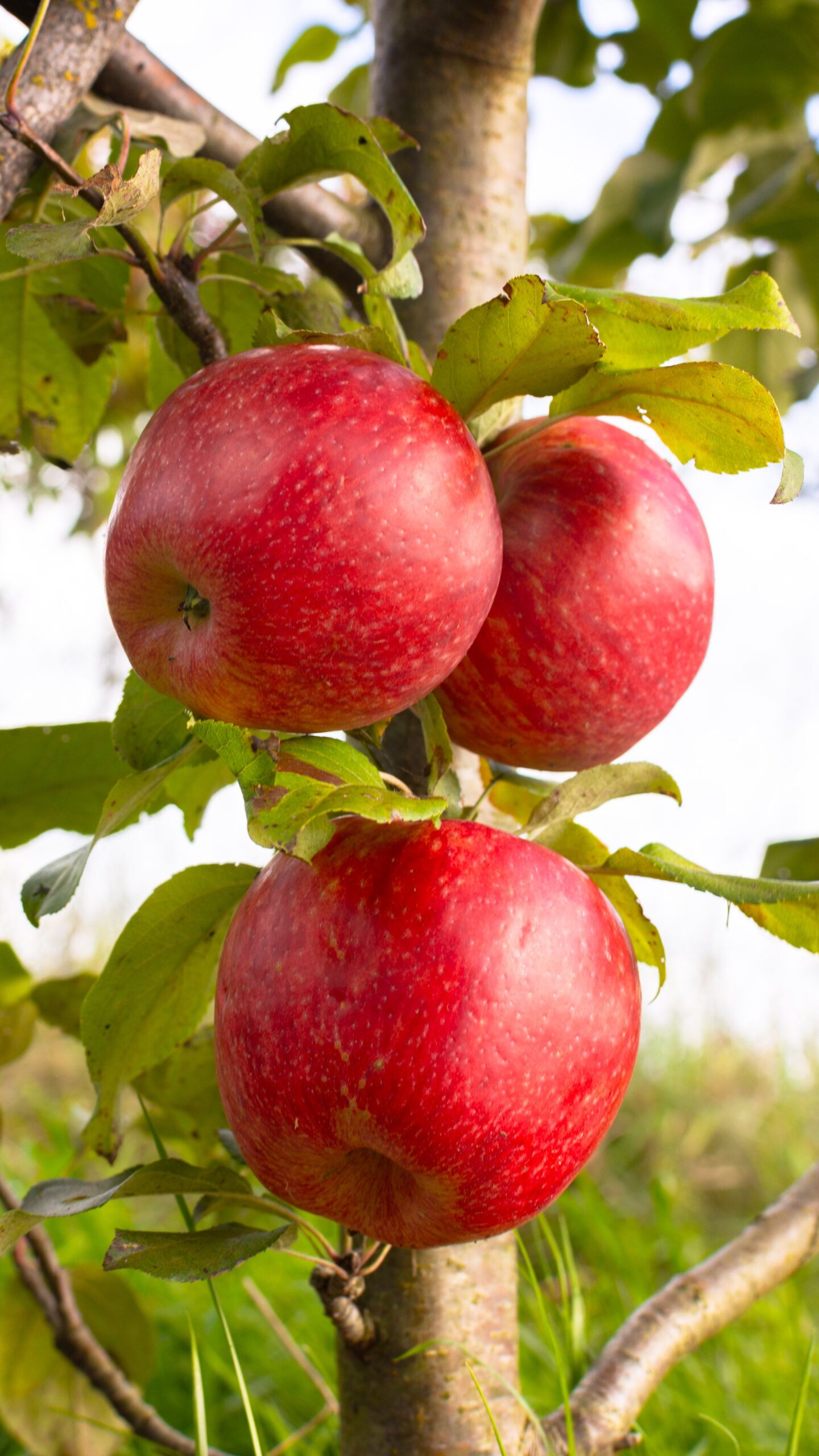
Malus domestica ‘Idared’
€345.00
Description
Quick Facts
– Botanical Name: Malus domestica ‘Idared’
– Common Name: Idared Apple
– Plant Type: Deciduous fruit tree
– Mature Height: Approx. 3-4m on a semi-dwarfing rootstock (varies with rootstock)
– Mature Spread: Approx. 3-4m
– Growth Rate: Moderate to vigorous
– Flowering Period: Late April to May
– Flower Colour: White blossom flushed with pink
– Foliage Colour: Mid-green, turning yellow in autumn
– Fruit: Medium to large, round apple with bright red skin over a pale yellow-green base; crisp, juicy, white flesh with a sharp-sweet flavour
– Fruit Use: Eating and cooking (dual-purpose)
– Harvest Period: October; stores very well into spring
– Pollination: Group D; best with another apple from a neighbouring group nearby
– Hardiness: RHS H6 (fully hardy)
– Soil Requirements: Moist, well-drained, fertile soil
– Aspect: Full sun to partial shade
– Maintenance: Moderate: annual winter pruning
Description
‘Idared’ is a reliable, heavy-cropping apple, well liked for its long storage life and versatility. The medium to large fruits have bright red skin over a pale yellow-green base. The flesh is white, crisp and juicy, with a pleasantly sharp-sweet flavour.
Picked in October, the apples are good eaten fresh and also keep their shape when cooked, so they work well in pies and bakes. Stored in a cool place, they keep well into spring, with the flavour softening and sweetening over time.
In spring the tree is covered in white blossom with a pink flush. It crops reliably and does well in most gardens.
Colourful, dependable and a great keeper, ‘Idared’ is a practical apple for the home grower.
Caragh Garden Notebook
Planting:
Plant in autumn or early spring in moist, well-drained soil with well-rotted compost or manure worked in. Choose a sunny spot, sheltered from strong winds and away from frost pockets. Plant at the same depth as the pot, stake securely, firm in gently, water in well and mulch.
Watering:
Water regularly through the first two growing seasons, especially in dry spells. Established trees benefit from a good soak during dry weather in summer while the fruit is swelling. Container trees need more frequent watering.
Feeding:
Apply a balanced fruit tree fertiliser in early spring. A mulch of well-rotted compost in autumn keeps the soil fertile. Avoid too much nitrogen, which gives leafy growth at the expense of fruit.
Seasonal Care & Tidy-Up:
Prune in winter while the tree is dormant. Remove dead, damaged and crossing branches, and keep the centre open so light and air reach the fruit. Thin heavy crops in early summer for larger fruit and more regular cropping. Pick in October when the fruit comes away easily, and store in a cool, dark, frost-free place.
Pollination:
‘Idared’ is a Group D variety and sets a better crop with another apple tree flowering at a similar time nearby. Ask in store and we can suggest a good partner.
Pests & Problems:
Generally manageable. Watch for apple scab, mildew, canker, codling moth and aphids. Good pruning, an open airy canopy and prompt removal of infected material keep most problems down.
Design Notes:
A good choice for kitchen gardens, orchards and family gardens where you want an apple that crops well and stores into spring. The spring blossom is attractive, and the red fruit looks good on the tree. Underplant with spring bulbs, herbs or low perennials.
Propagation:
Fruit trees are grafted onto rootstock, so named varieties need nursery-grown stock to be true to type.
Additional information
| Pot Size |
|---|
Related products
-
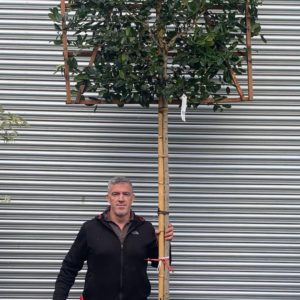
Ilex Nellie Stevens Standard Espalier
Price range: €1,150.00 through €1,350.00 Select options This product has multiple variants. The options may be chosen on the product page -
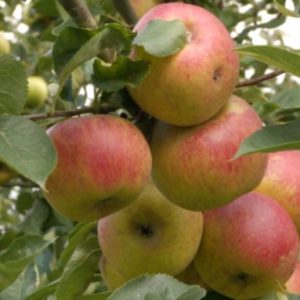
Malus ‘Schone van Boskoop’ / Fruiting Apple Tree
€60.00 Select options This product has multiple variants. The options may be chosen on the product page -
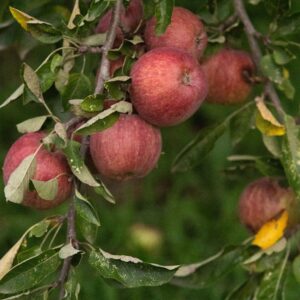
Malus domestica ‘Belle de Boskoop’
€345.00 Select options This product has multiple variants. The options may be chosen on the product page -

Malus Opal / Fruiting Apple Tree
€60.00 Select options This product has multiple variants. The options may be chosen on the product page