

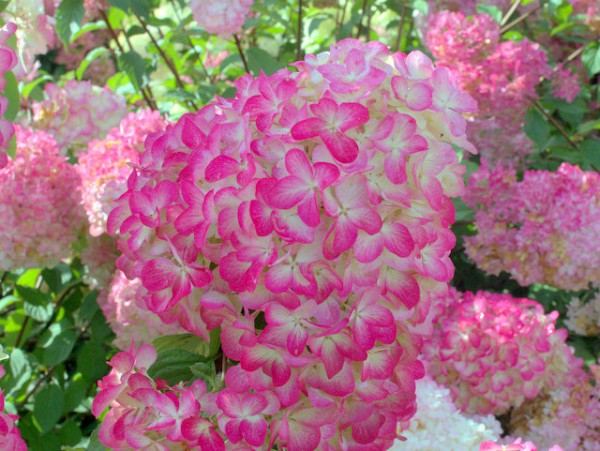
Hydrangea paniculata Diamant Rouge
€25.00
Frequently Bought Together

Description
Quick Facts
– Botanical Name: Hydrangea paniculata ‘Diamant Rouge’
– Common Name: Panicle Hydrangea ‘Diamant Rouge’
– Plant Type: Hardy deciduous shrub
– Mature Height: 1.5–2m
– Mature Spread: 1.5–2m
– Flowering Period: July to October
– Flower Colour: White on opening, shifting through pink to rich raspberry red — often all three tones visible simultaneously
– Foliage Colour: Mid- to dark green, deciduous
– Aspect: Full sun to partial shade
– Soil: Moist, well-drained; tolerant of most soil types
– Hardiness: Fully hardy — one of the hardiest hydrangeas available
– Maintenance: Low — prune hard in early spring for the best display
Description
There are hydrangeas that are beautiful, and then there is Hydrangea paniculata ‘Diamant Rouge’ — which is something more like a spectacle. The large, domed panicle flower heads, reaching up to 35cm in length, open white in summer and then embark on one of the most dramatic colour journeys in the flowering garden: shifting gradually through soft pink, then deepening to a rich, saturated raspberry red as autumn approaches. At peak season, a single plant often carries all three tones at once — white at the tips, blush in the middle, deep red at the base — and the overall effect is quite extraordinary.
Upright and bushy in habit with strong, well-branched stems that hold the flower heads upright without staking, it flowers in generous profusion from July right through into October. Unlike the macrophylla hydrangeas, ‘Diamant Rouge’ flowers on new wood and can be pruned hard each spring — which means consistent, reliable flowering every year without the anxiety of protecting old stems through winter. One of the most dramatic and rewarding shrubs available for the summer and autumn garden.
Caragh Garden Notebook
Planting:
Plant in spring or autumn into moist, well-drained soil. ‘Diamant Rouge’ is tolerant of most soil types — unlike macrophylla hydrangeas, flower colour is not dependent on soil pH, so no ericaceous compost is required. It performs well in both sun and partial shade, though the colour deepens most richly in a position with good light. Incorporate organic matter at planting to help retain moisture and water in thoroughly. Mulch around the base to conserve moisture through the first season.
Watering:
Water generously through the first growing season while the root system establishes. Once settled, ‘Diamant Rouge’ is reasonably tolerant of drier conditions but flowers most abundantly with consistent moisture through summer. During prolonged dry spells, deep, thorough watering is more effective than light, frequent applications — it encourages the roots to go deeper and makes the plant more resilient over time. In containers, check moisture levels regularly and water thoroughly whenever the top few centimetres of compost feel dry.
Feeding:
A balanced slow-release fertiliser applied in spring as new growth emerges will support strong stems and generous flowering. In the ground, a mulch of well-rotted compost in spring feeds gently and helps retain moisture through the season. In containers, feed monthly through the growing season with a balanced liquid fertiliser. Avoid high-nitrogen feeds, which encourage leafy growth at the expense of the flower display.
Pruning:
This is where ‘Diamant Rouge’ differs significantly from the macrophylla varieties — and where it rewards hard work most generously. Because it flowers entirely on new wood produced in the current season, it can be cut back hard in early spring without sacrificing any flowers. Cut the previous season’s shoots back to within two or three buds of the permanent woody framework of the plant. This annual pruning produces strong new stems capable of holding the large flower heads upright and encourages the most impressive, richly coloured display. Avoid pruning in autumn or winter — wait until the risk of hard frost has passed in early spring before cutting back.
Seasonal Care:
The old flower heads, which dry to a warm biscuit-brown through winter, are worth leaving on the plant until pruning time in spring — they offer some protection to the buds below and are genuinely attractive through the colder months. Once cut back in spring, the plant will regenerate quickly and be in flower by midsummer. No further intervention is needed beyond watering and an occasional feed through the growing season.
Pests & Problems:
Generally trouble-free and one of the hardiest, most resilient hydrangeas you can grow. Waterlogged conditions are the most common cause of poor performance — good drainage at planting is the most reliable preventative measure. In very exposed positions, the large flower heads can catch the wind and bow on their stems; a sheltered planting position is preferable, though the stems are considerably stronger than those of arborescens varieties and rarely require staking when the plant is pruned and fed well.
Design Notes:
The colour journey of ‘Diamant Rouge’ — white to pink to deep raspberry red — makes it one of the most dramatically changing shrubs across a season, and it deserves to be positioned where that transition can be properly seen and appreciated. Particularly effective as a specimen shrub in a prominent border position, or planted in a group of three where the simultaneous mix of tones creates a genuinely striking mass of colour from late summer into autumn. It combines beautifully with late-season perennials — deep purple salvias, burgundy dahlias, and ornamental grasses all complement the raspberry tones as the season deepens. For a bold contrast, plant alongside white-flowered companions that echo the early season colouring. The dried flower heads are excellent for cutting and will hold their shape and much of their colour indoors through winter.
Additional information
| Pot Size |
|---|
Related products
-

Hydrangea Strong Annabelle
€30.00 Select options This product has multiple variants. The options may be chosen on the product page -
Hydrangea Sundae Fraise
€25.00 Select options This product has multiple variants. The options may be chosen on the product page -
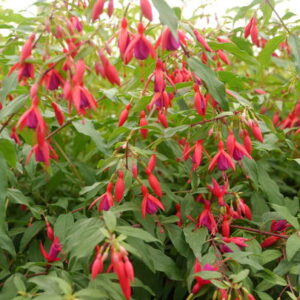
Fuchsia ‘Bernisser Hardy’
€17.50 Select options This product has multiple variants. The options may be chosen on the product page -
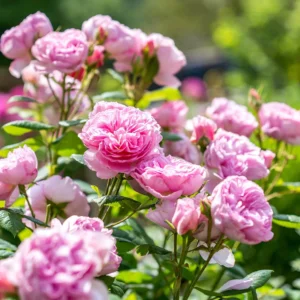
Rosa ‘The Ancient Mariner’ – David Austin English Rose
€30.00 Select options This product has multiple variants. The options may be chosen on the product page